Velvet flower seeds
6ر.س
Out of Stock
Product description
Common name: Caudate Velvet Flower - Velvet Flower
Scientific name: Amaranthus caudatus
Also known as: Dripping Love, Necklace Velvet Flower, Love Dies Bleeding, Fox Tail Velvet Flower, Tailed Velvet Flower
The "Amaranth" genus contains many species, some similar and some different; some are cultivated for decoration like the Caudate Velvet Flower, and others for grain production like the Purple Amaranth "Amaranthus Cruentus." There are also harmful and invasive species, such as the Yemeni Amaranth "Amaranthus Blitum."
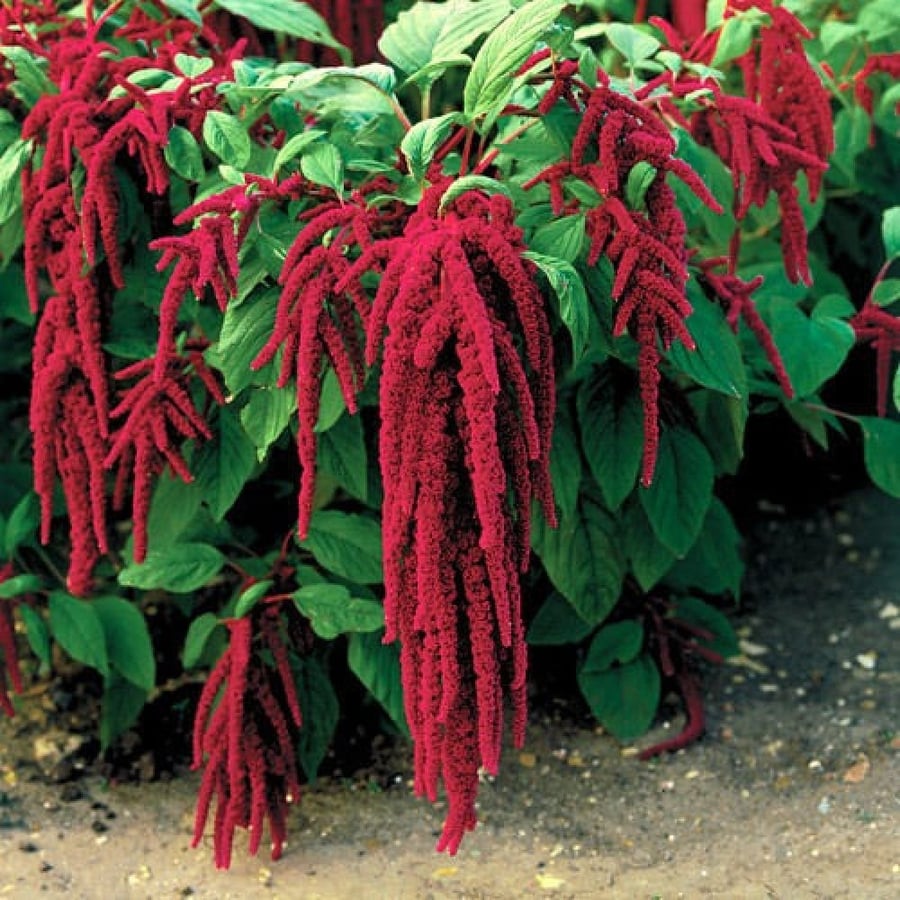
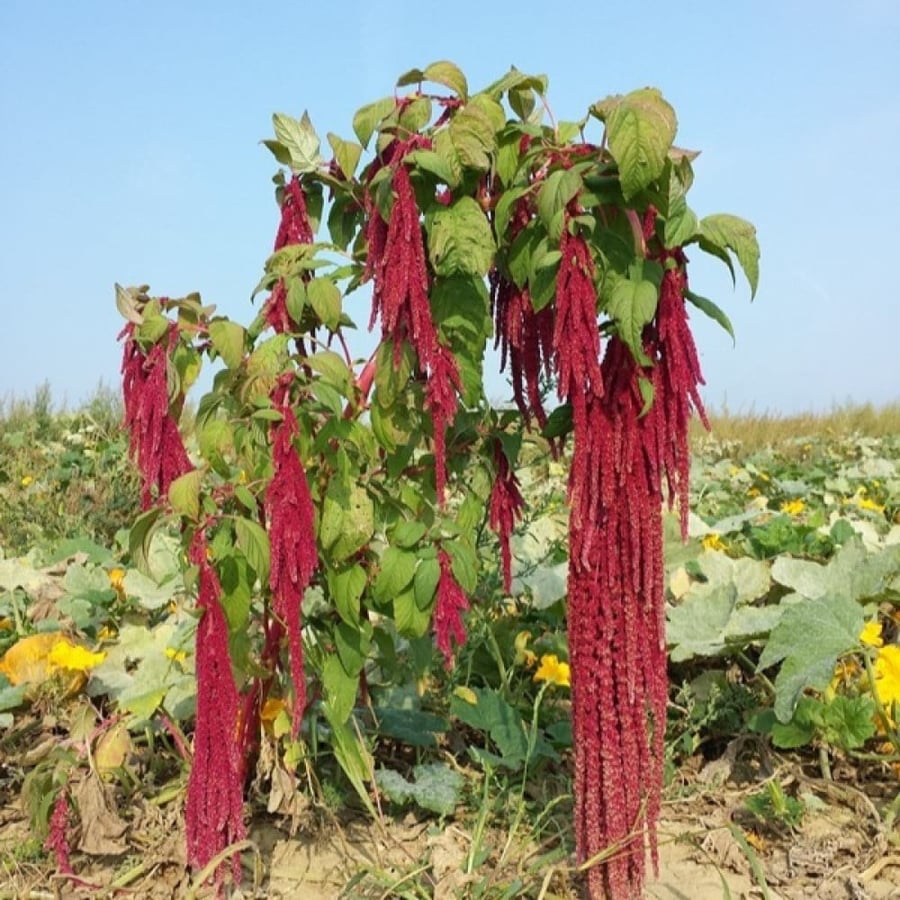
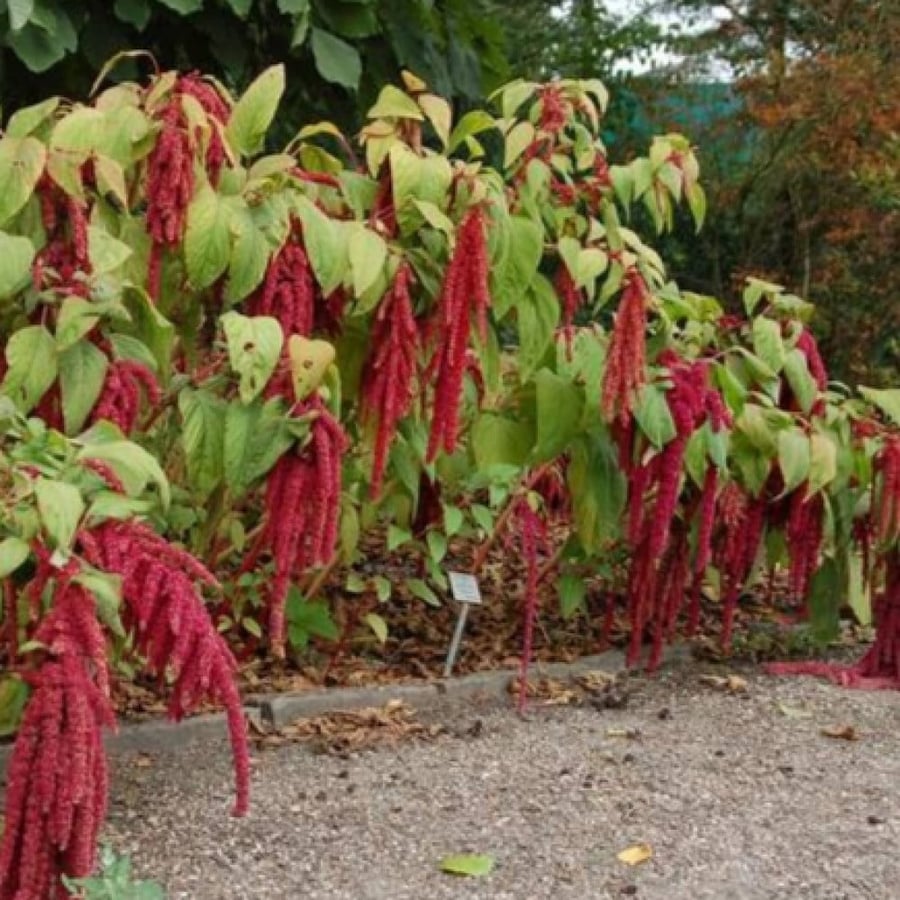
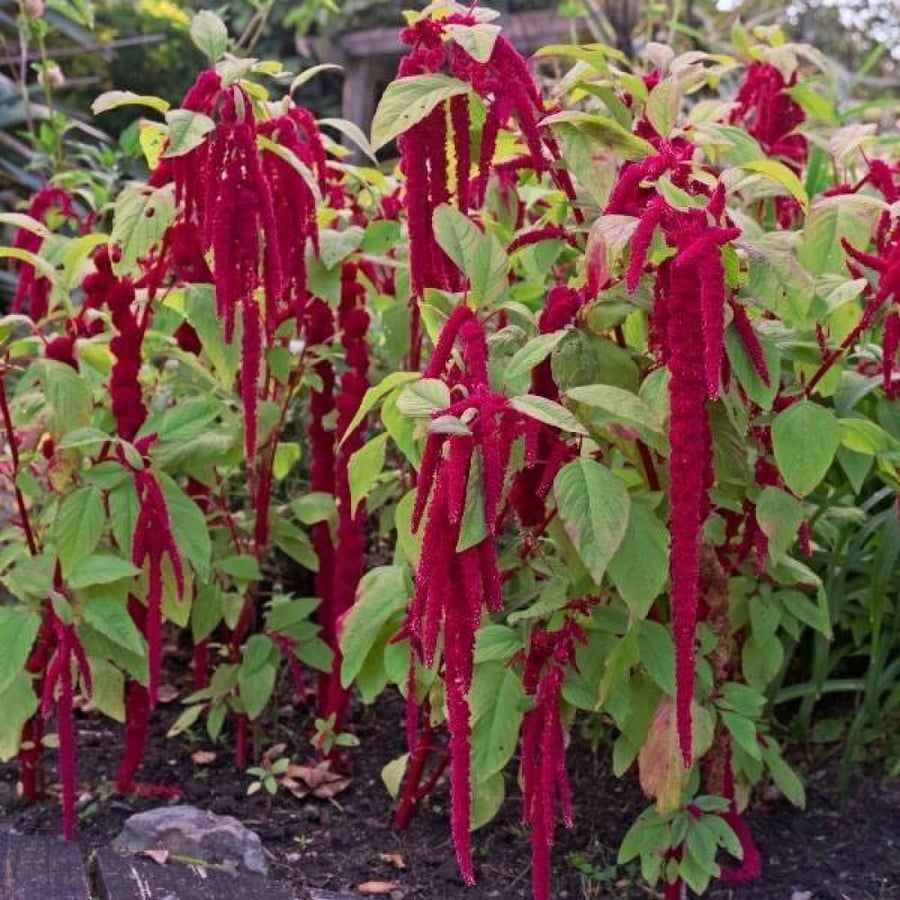
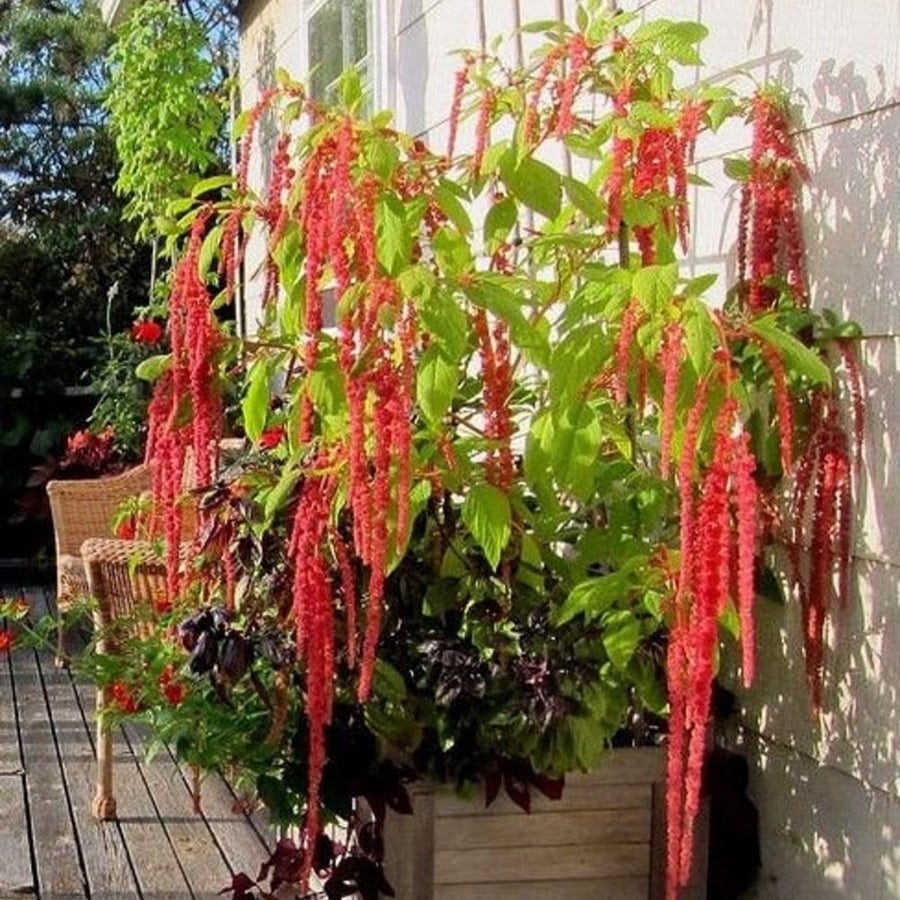
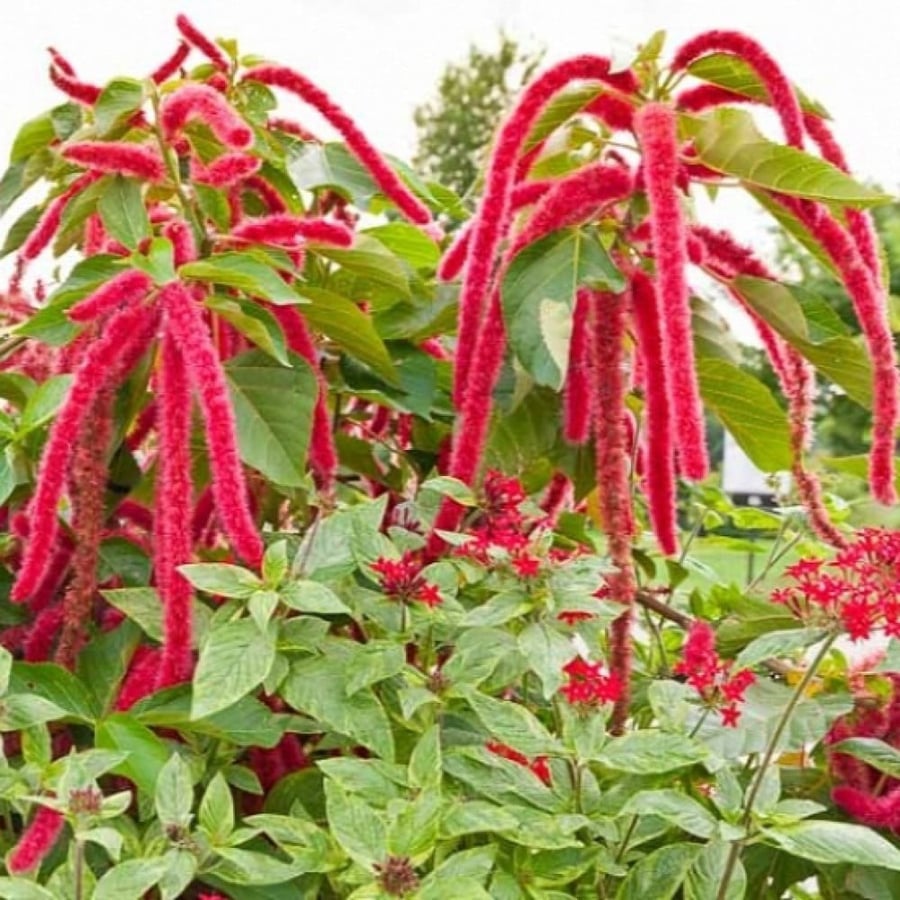
The Caudate Velvet Flower is an annual summer plant that blooms, reaching about two meters in height, with large oval leaves up to 20 cm long. It is considered one of the most famous ornamental plants cultivated in most parts of the world for the beauty of its flowers and rapid growth.
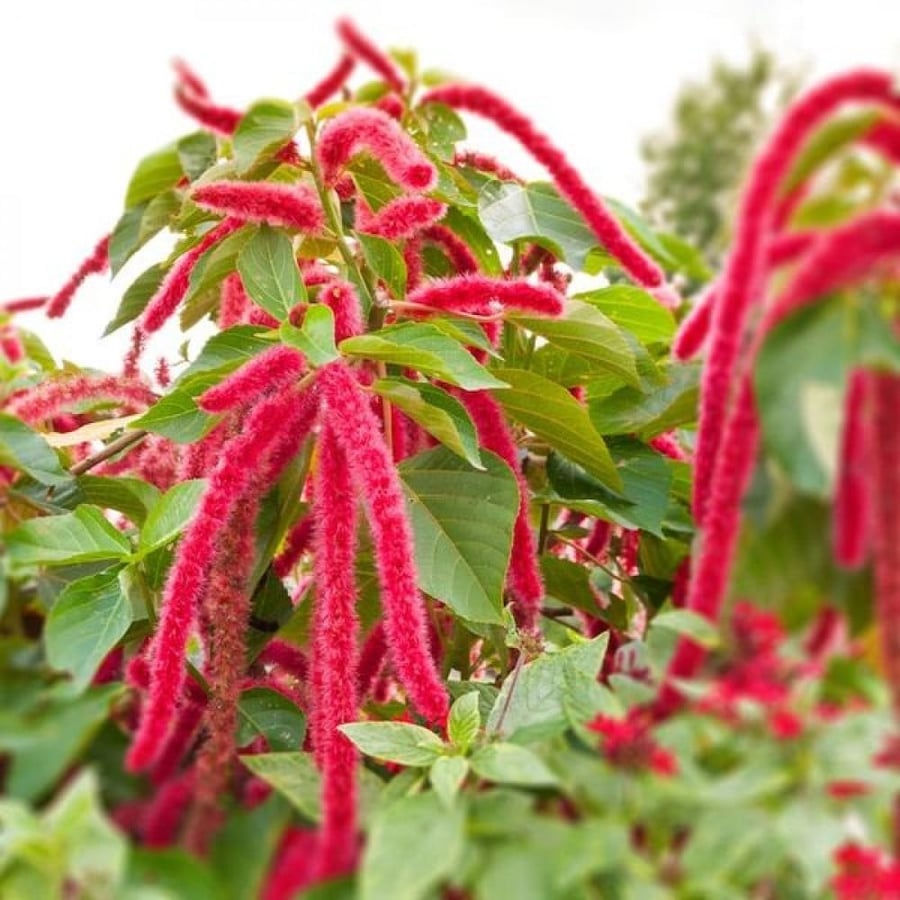
• Caudate Velvet Flower - Velvet Flower: Its flowers are a deep red color due to the high percentage of the pigment betacyanin in the flowers, which hang in attractive clusters up to 30 cm long, bent downward, resembling a tail, hence its name as Caudate and Tailed.
• Seeds of the Caudate Velvet Flower - Velvet Flower: Its seeds are very small, oval-shaped, shiny black, and some are dark gray.
Growing season:
It can be cultivated indoors at the beginning of spring and outdoors after the end of frost, and it can be grown in temperate areas throughout the year.
Suitable climate and soil for cultivating the Caudate Velvet Flower - Velvet Flower:
It needs exposure to light and sunlight for several hours daily to grow and bloom well. It prefers a moderate and warm tropical environment and tolerates moderate temperatures. It grows well in well-drained clay and sandy soils. It does not tolerate frost and requires continuous watering until the plant buds appear, after which watering is gradually reduced as it is drought-resistant.
Method of cultivation of the Caudate Velvet Flower - Velvet Flower:
It propagates through seeds planted at a depth of no more than 1 cm from the soil surface. It can also be fertilized with organic fertilizer at least once during flowering to accelerate growth and development.
Its benefits and uses:
Used for decoration and beautifying gardens, and it is considered one of the widespread ornamental plants worldwide.
Original habitat:
The Andes Mountains in South America.

From Buraydah