



Rare tree seeds - white acacia (Faidherbia Albida)
14ر.س
Out of Stock
Product description
Common name: Al-Haraz tree
Scientific name: Faidherbia Albida
Previous scientific name: Acacia albida
Among its names: Al-Lah tree - Senna or White Acacia - Apple Ring Acacia
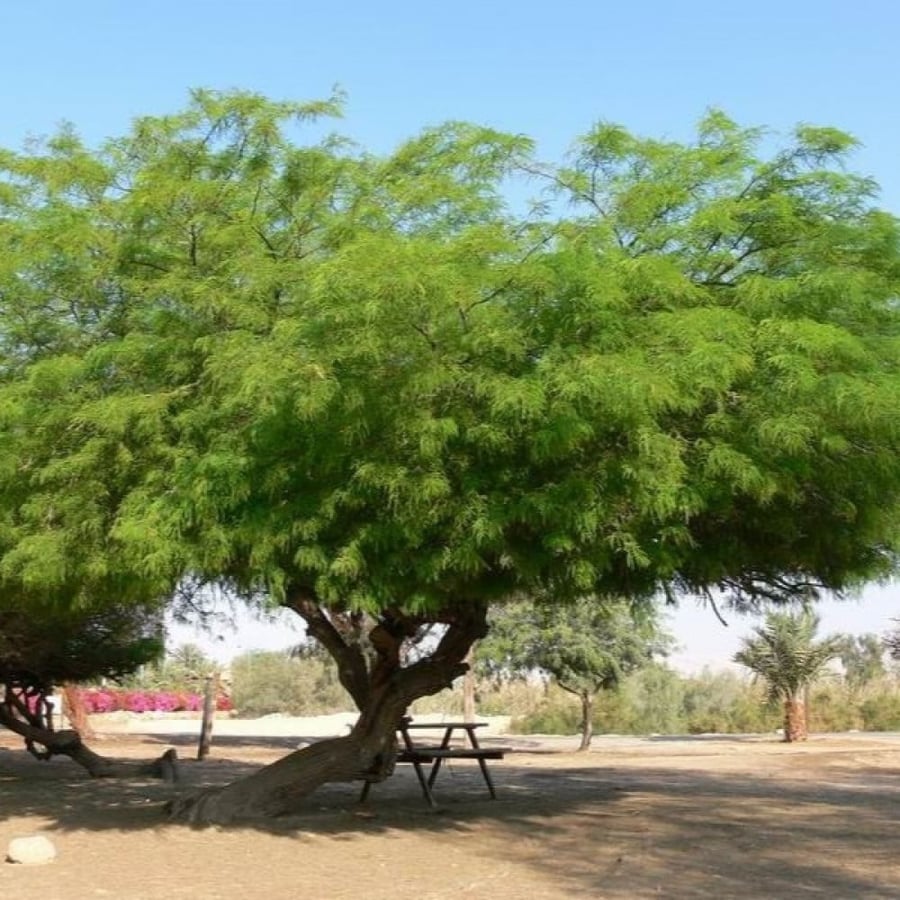
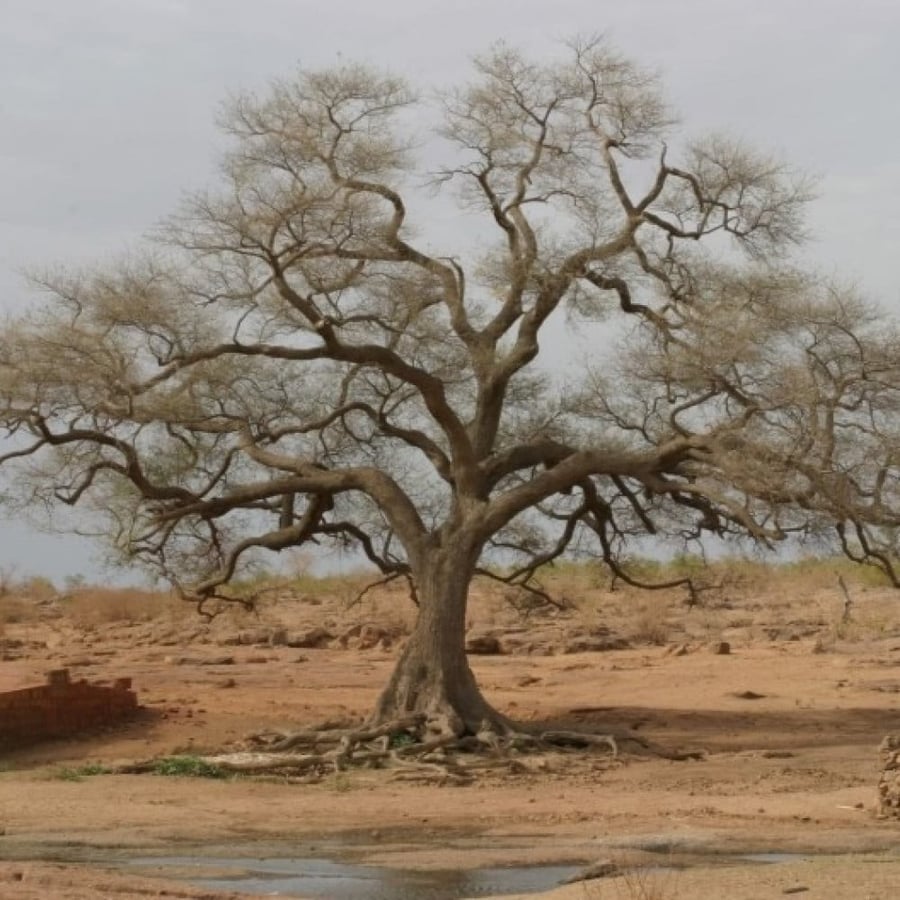
A perennial thorny tree that grows in arid areas but is rare, with a gray rough trunk exceeding 10 meters in height. Its leaves are pinnate compound and initially appear grayish, then gradually turn green. The Haraz tree is known for its rapid growth, and it has a strange phenomenon that has led to the saying: "Between me and you, between Haraz and rain." When rain falls and the trees turn green, the Haraz tree completely sheds its leaves and remains leafless throughout the rainy season, then turns green again afterward. This makes it favored by farmers, as its leaf fall helps fertilize the soil beneath it and allows sunlight to reach and plant new crops underneath. The Haraz tree is also an important refuge for bees at the end of the rainy season. It has strong roots and is not suitable for planting near buildings or fences.
Rare Haraz tree flowers:
It has white flowers with a fragrant scent, forming terminal spikes over 10 cm long. It blooms from March to September.
Rare Haraz tree seeds and fruit:
Its fruits are pod-like, orange in color, and when ripe, they are twisted. They open up to reveal seeds inside, which are oval, hard, smooth, and brown.
Haraz tree planting season:
It is planted in the periods of (March – April), (August – October). It can also be cultivated year-round in moderate regions, agricultural reserves, enclosed or plastic-covered areas where temperature and sunlight can be controlled or where adequate lighting is available for the plant.
Suitable climate and soil for planting the rare Haraz tree:
The Haraz tree is highly drought-tolerant, capable of withstanding high temperatures and frost. It typically grows in plains, lowlands, and river valleys.
Method of cultivating the rare Haraz tree:
It propagates through cuttings or seeds, which require treatment because they are hard seeds. Therefore, they are soaked in water for 24 hours before planting. The seed tip can also be scratched to accelerate germination, but care must be taken not to scratch or touch the embryo inside the seed, as this can kill it.
Its benefits and uses:
It is planted as windbreaks and for its fragrant flowers that attract bees. Its wood is used in some industries, along with medicinal applications.
Original habitat: Africa, from where it spread to the Middle East, India, and Pakistan.

From Buraydah