Yellow Shamiyah corn seeds hybrid (Zea mays subsp)
6ر.س
Product description
Common name: Yellow hybrid Shamali corn
Scientific name: Zea mays subsp
Other names: Sweet corn - Sugar corn
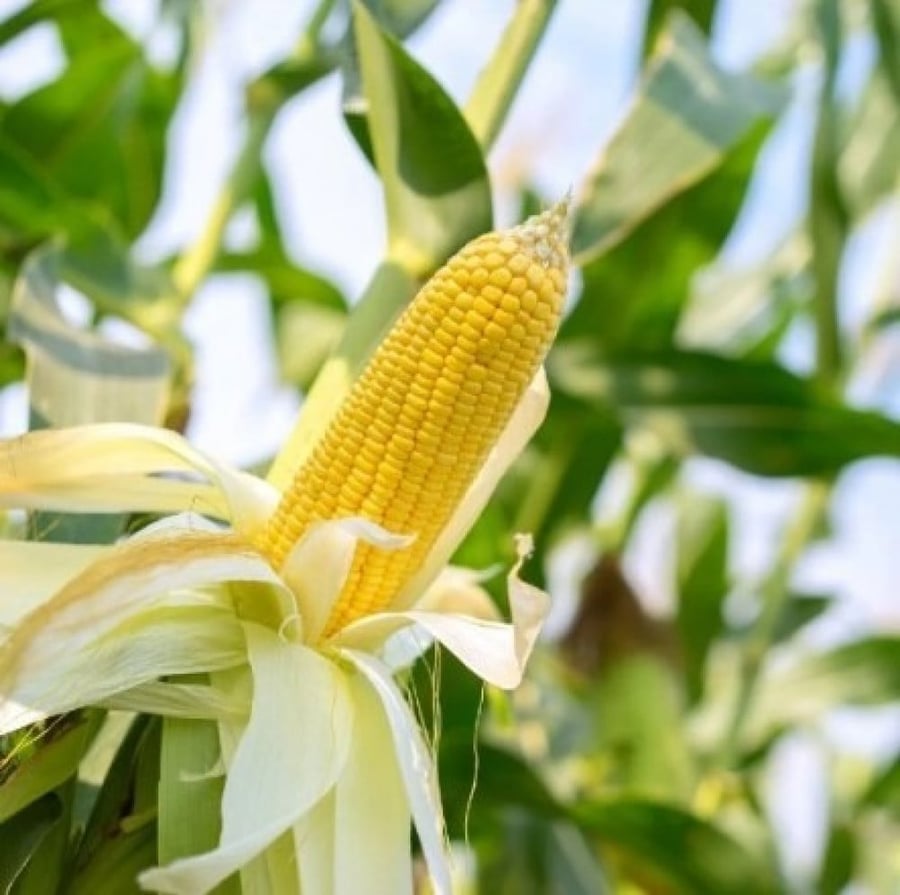
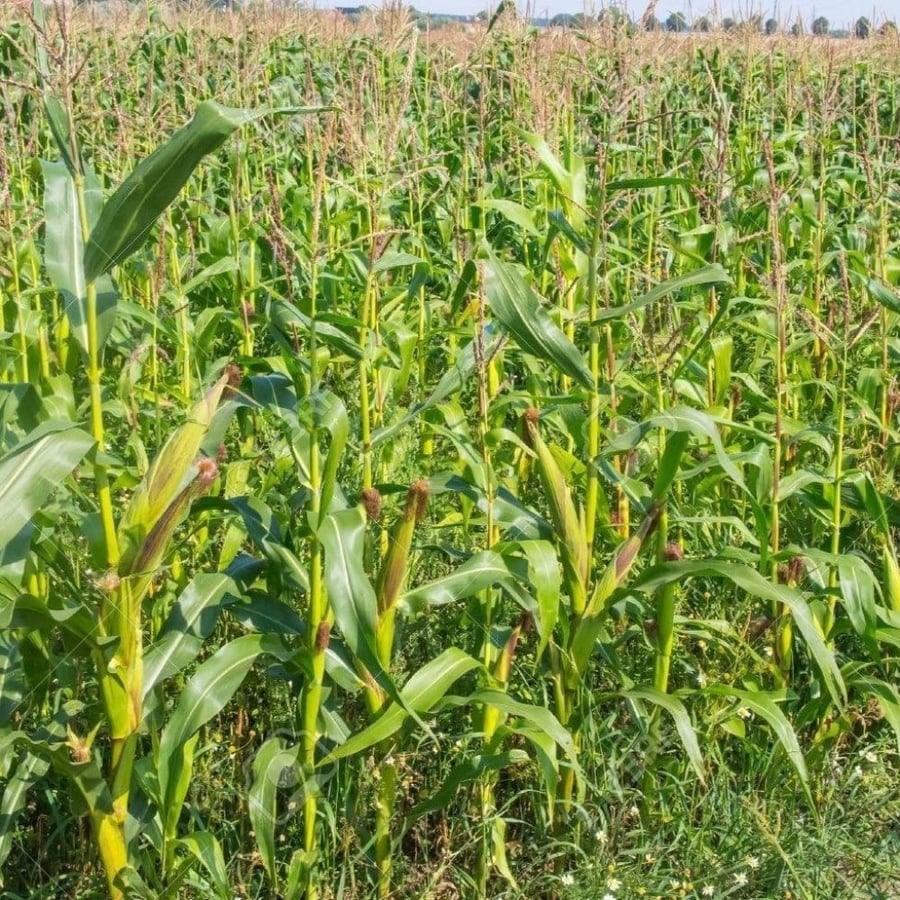
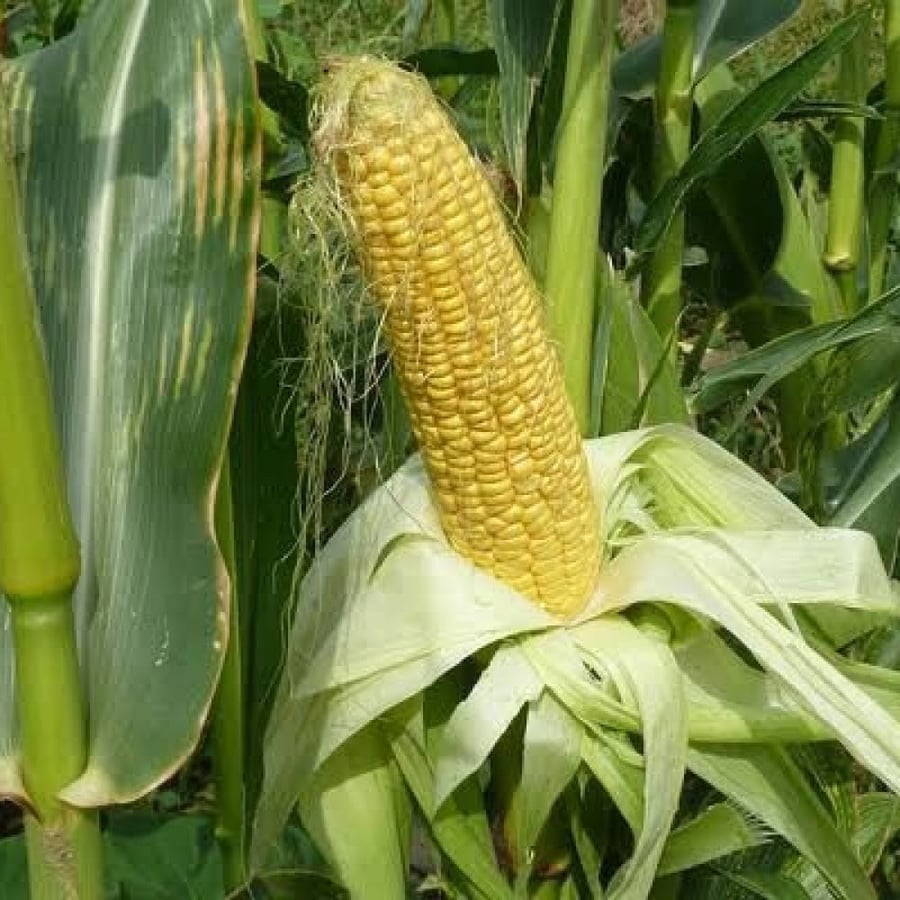
Shamali corn plant: A mature plant consisting of roots, stem, leaves, ears, and husks — there are special leaves called covers that contain the cob inside, and silk-like threads at the top of the covers. There are thousands of varieties of Shamali corn, which arose naturally, but now all new varieties have been developed by scientists.
• Yellow hybrid Shamali corn flower: Separate male and female flowers, with male flowers carried in inflorescences at the top of the plant, while female flowers appear at leaf axils; they bloom in spring.
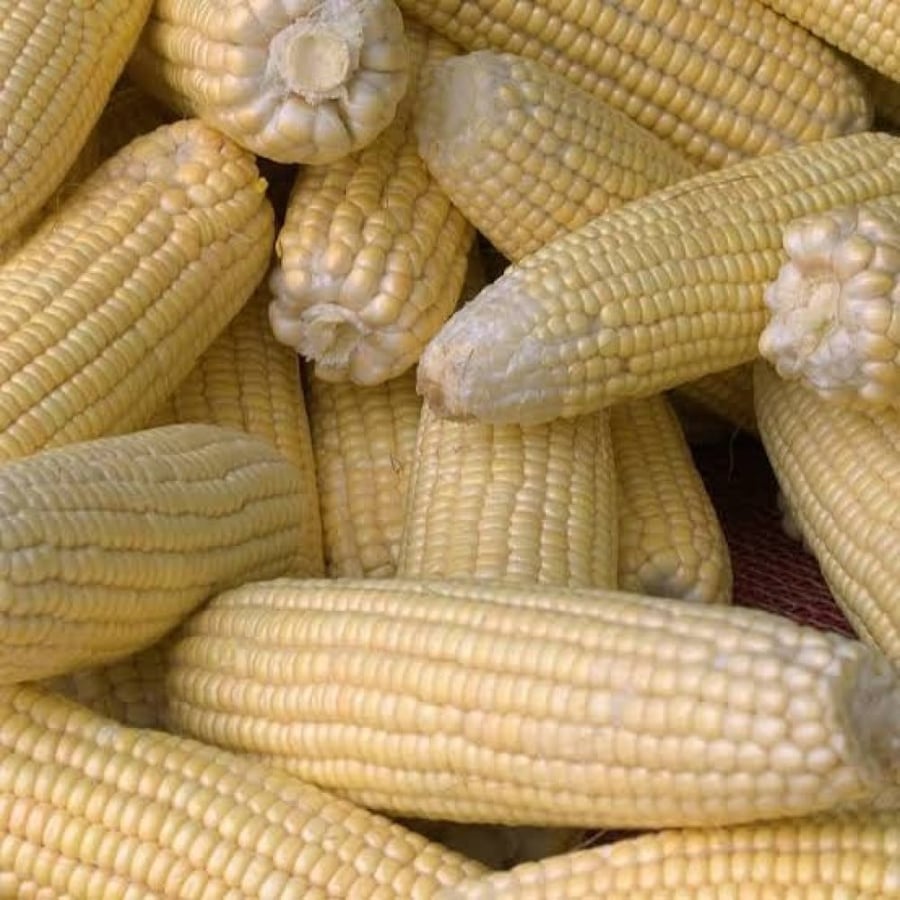
• Yellow hybrid Shamali corn seeds: Smooth, round, non-wrinkled seeds, rich especially in starch.
• Germination season for yellow hybrid Shamali corn: Early planting is necessary to obtain the highest grain yield from Shamali corn, and early summer planting in late April and during May is the most suitable time for planting. It is also advised not to delay planting beyond mid-June, to prevent reduced yield, weak growth, and decreased production.
• Climate and soil suitable for planting yellow hybrid Shamali corn: Shamali corn is a summer crop suitable for high temperatures, with optimal germination temperatures between 32-35°C. Seeds can germinate after 5-10 days under suitable conditions, but cannot germinate at temperatures below 5°C or above 45°C. It prefers well-drained loamy soils that are slightly acidic to neutral. It does not tolerate cold and frost; regular watering is necessary.
• Method of planting yellow hybrid Shamali corn: Reproduces through seeds planted at a depth of 2.5 to 5.1 cm underground. It should be fertilized with organic fertilizer at least once during flowering.
• Benefits and uses: Shamali corn has many uses; the grains, which are the corn seeds, can be simply cooked and eaten. These grains can also be used in breakfast cereals, baked goods, salad dressings, and many other foods. Large quantities of Shamali corn grains and other plant parts are also used as animal feed.
• Native origin of yellow hybrid Shamali corn: Southern Mexico and Guatemala.

From Buraydah