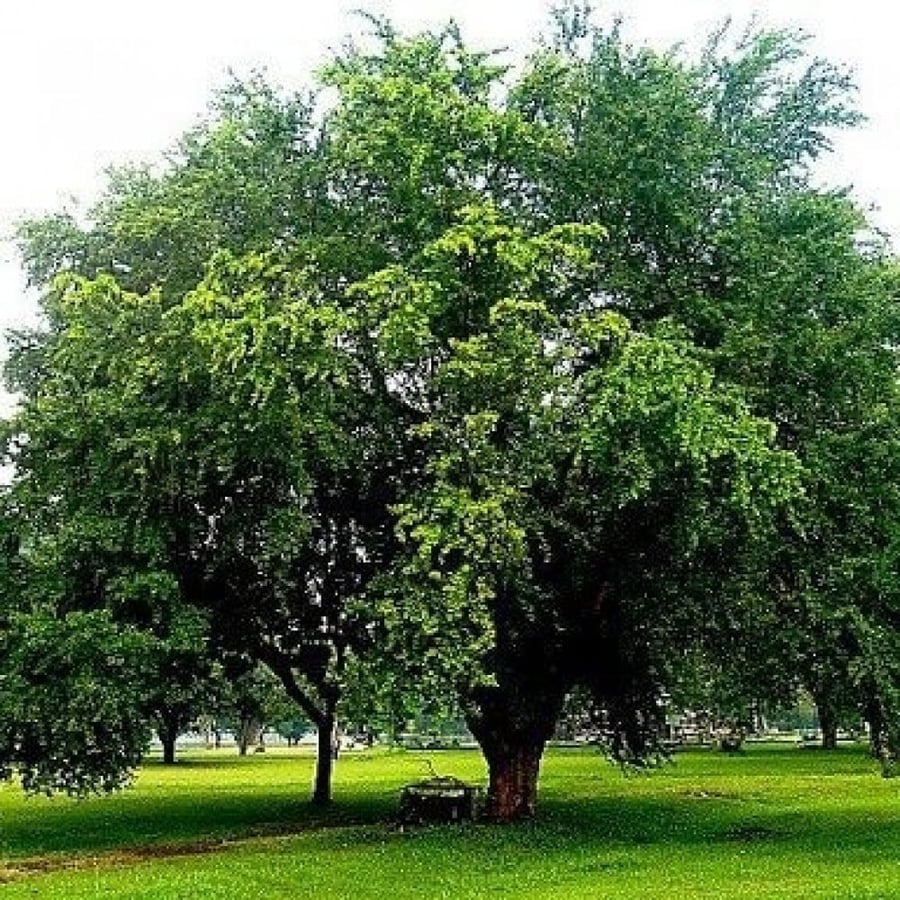
Indian almond seeds
6ر.س
Product description
Common name: Indian Almond. Scientific name: Pithecellobium dulce. Also known as: Local Almond - Sea Ghaff - Sabar. The plant is a tree that reaches up to 8 meters in height and spreads about 5 meters. The leaves are green with a complete edge.
Indian Almond flower: Its flower is pale white-green with a pleasant scent, blooming from early April to the end of May, with a size of about 12 cm.
Indian Almond fruit and seeds: The fruits are fragrant, edible pods, about 18 cm in size.
Indian Almond germination season: It is cultivated in spring and early summer, and can also be grown year-round in agricultural reserves and enclosed or plasticized places where temperature can be controlled and sunlight reaches, or where adequate lighting for the plant is available.
Suitable climate and soil for growing Indian Almond: The plant grows well in local climates within cities and is drought-resistant. Its water needs are moderate, and it can tolerate moderate salinity. It prefers tropical and subtropical environments and is also resistant to urban climates, but sensitive to polluted environments. It is suitable for high-salinity, semi-moist soils.
Method of cultivating Indian Almond: It is planted directly by seeds in the ground or by transplanting seedlings, or through trays.
Its benefits and uses: The tree has multiple uses, including as a plant screen, shade tree, for planting in parks, street trees, and as a single specimen or planted in groups.
Original habitat of the Indian Almond: Its native habitat is Mexico, Florida, and Southeast Asia.

From Buraydah