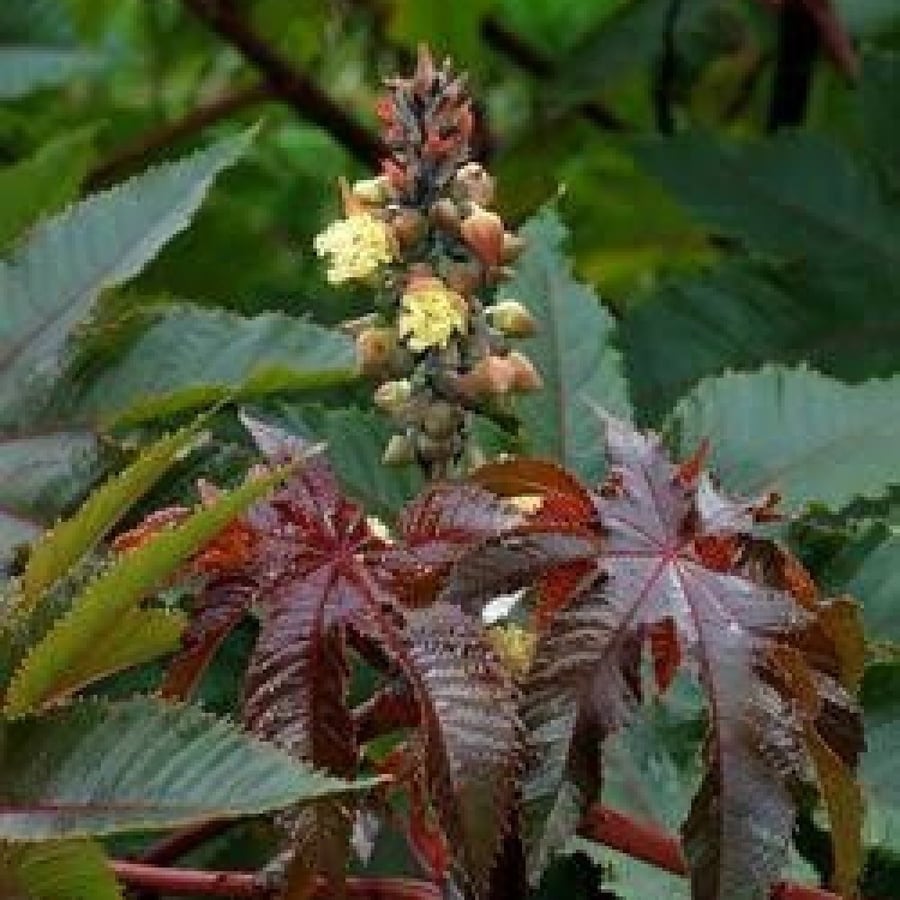
Castor tree seeds
6ر.س
Product description
Common name: Castor
Scientific name: Ricinus communis
Other names: Harwa – Karnak – Warri and Riora – Al-Ghalaba
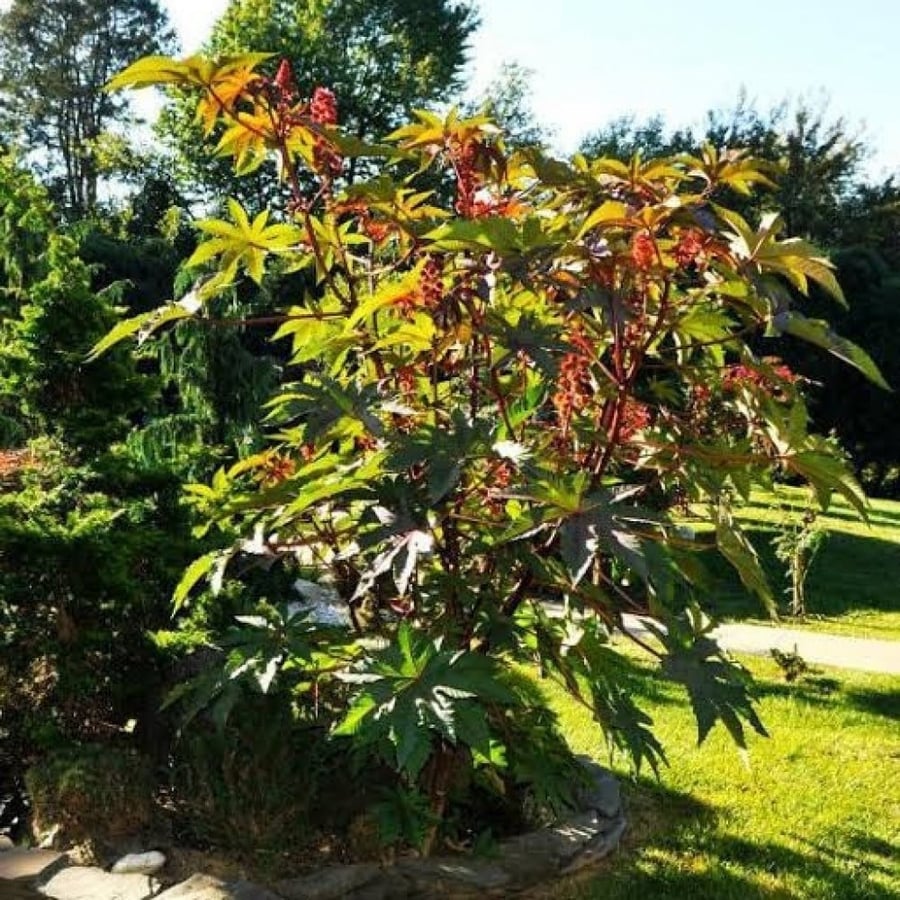
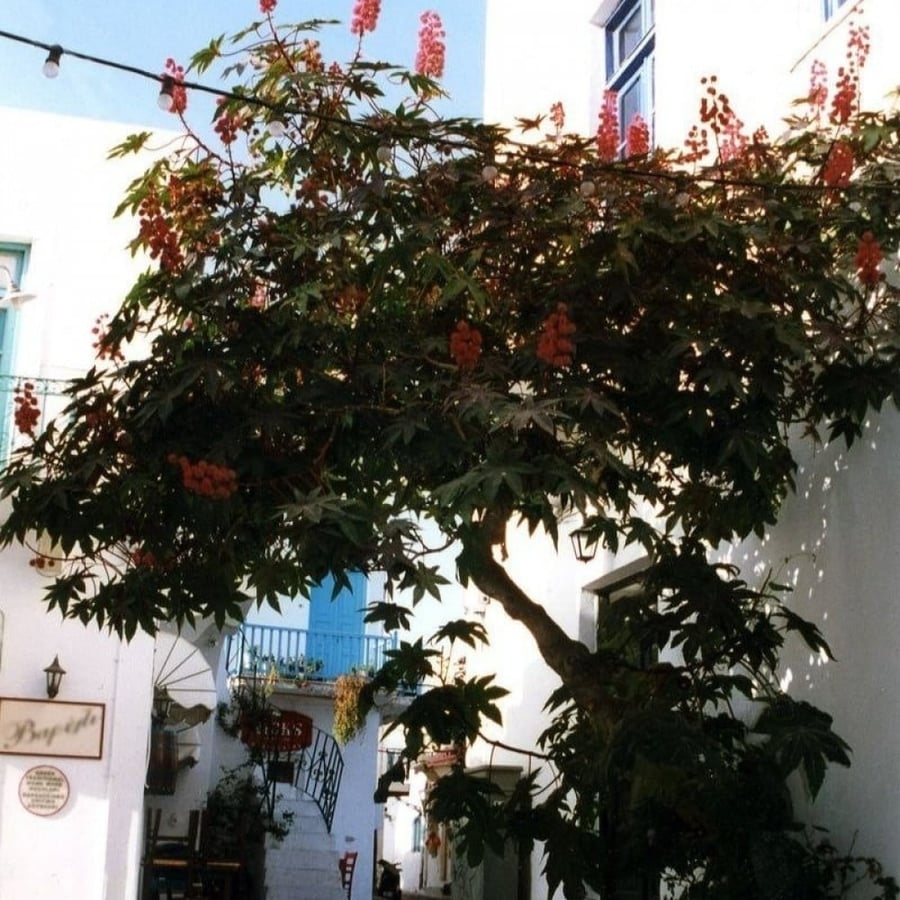
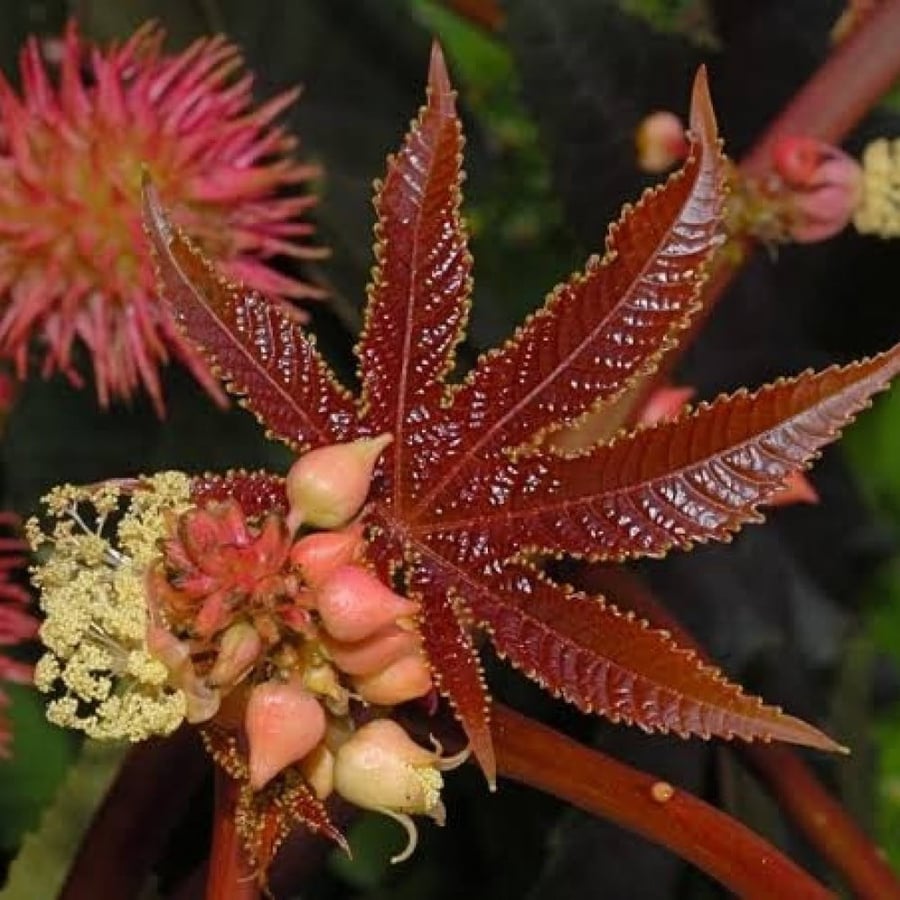
A perennial or annual plant similar to a shrub suitable for tropical and subtropical climates. It is fast-growing and reaches a height of 2-3 meters and is usually multi-branched. The leaves are mainly green and sometimes appear dark red, with a full margin.
Castor tree flower:
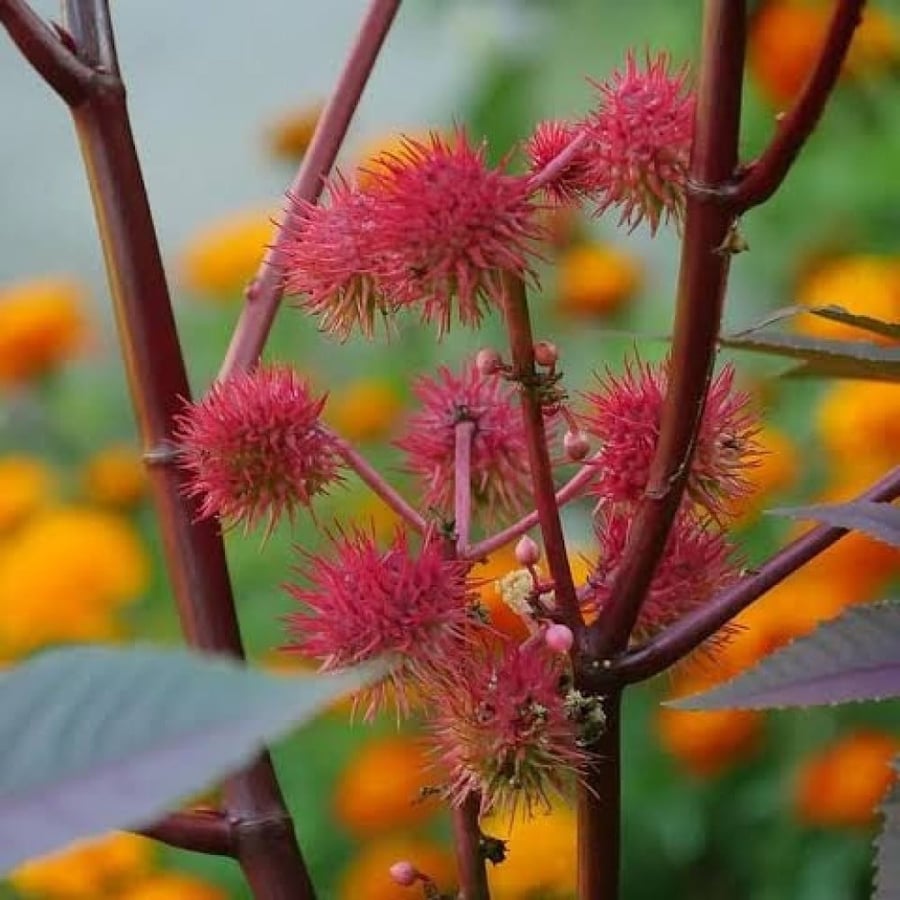
Flowers appear in summer in the form of clusters of balls with strong hairs, about 30 cm in size.
Castor tree fruit and seeds:
The fruit is a capsule containing seeds similar to ticks. All parts of the plant are very toxic, especially the seeds, but the oil extracted from the seeds is non-toxic and used as a medicine. The size of the fruit is 2 cm – 3 cm.
Castor tree germination season:
Castor is planted in spring and early summer because it loves heat. It can also be cultivated year-round in agricultural protected areas and enclosed or plastic places where temperature can be controlled and sunlight or adequate lighting is available.
Suitable climate and soil for cultivating castor:
Castor seeds require high temperatures throughout the growth period, which lasts between 140 to 180 days. The soil should be clayey but not compacted, and it must be permeable to water. Castor does not tolerate drought because it loves water.
Castor planting method:
Castor propagates by seeds, which are soaked in water for a full day before planting. They are planted indoors 6 to 8 weeks to protect them from bad weather conditions. Seeds are planted at a depth of 1 cm – 3 cm. Castor plants should be fertilized every 4 to 6 weeks during the growth period. Watering should be about 25.4 millimeters of water per week during dry periods, ensuring water reaches the roots.
Uses and benefits:
Castor plant is cultivated in some places as an ornamental plant, not for its seeds because they are very toxic, especially to children. Today, the cultivation of castor is mainly for obtaining seeds and extracting castor oil, which has many medical uses. The leaves and parts of the castor plant have effective properties; they are laxative, antimicrobial, and deworming, and are also used as an insecticide.
Original habitat of the castor tree:
Its native origin is India, which is the leading producer of castor, followed by China and Brazil.

From Buraydah