




Artichoke thistle seeds
7ر.س
Product description
Common name: Artichoke thistle
Scientific name: Cynara cardunculus
Among its names: Khurshuf, terrestrial thorny, Ankinar, Qunariya
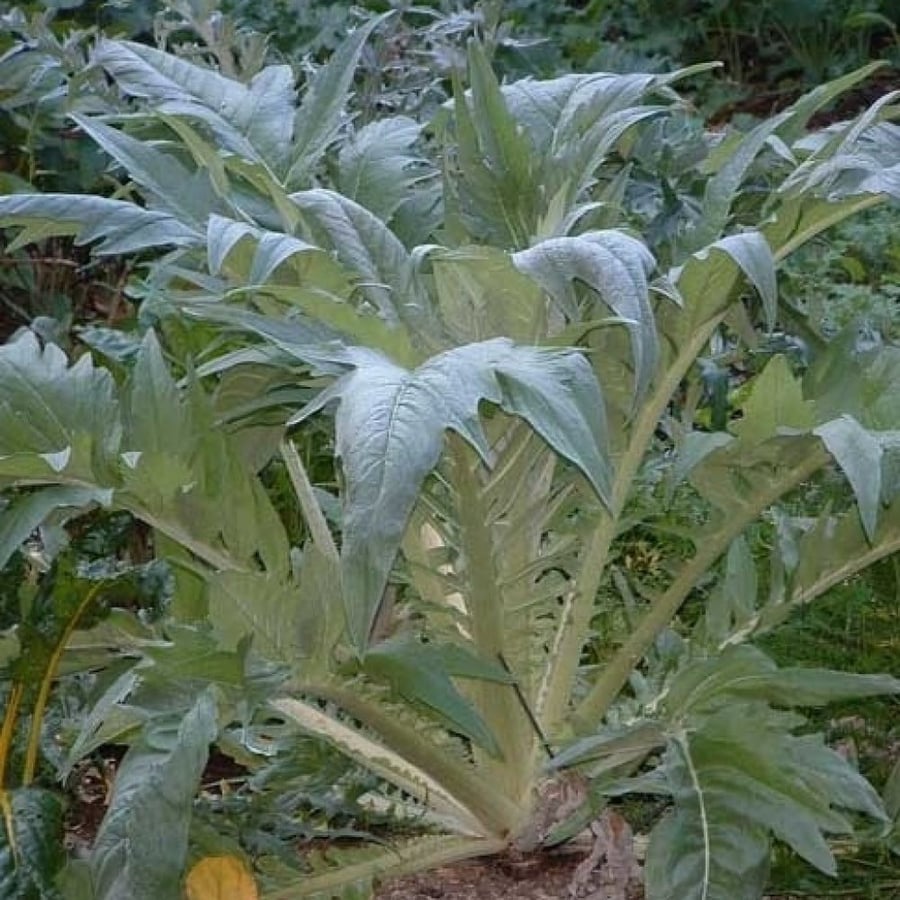
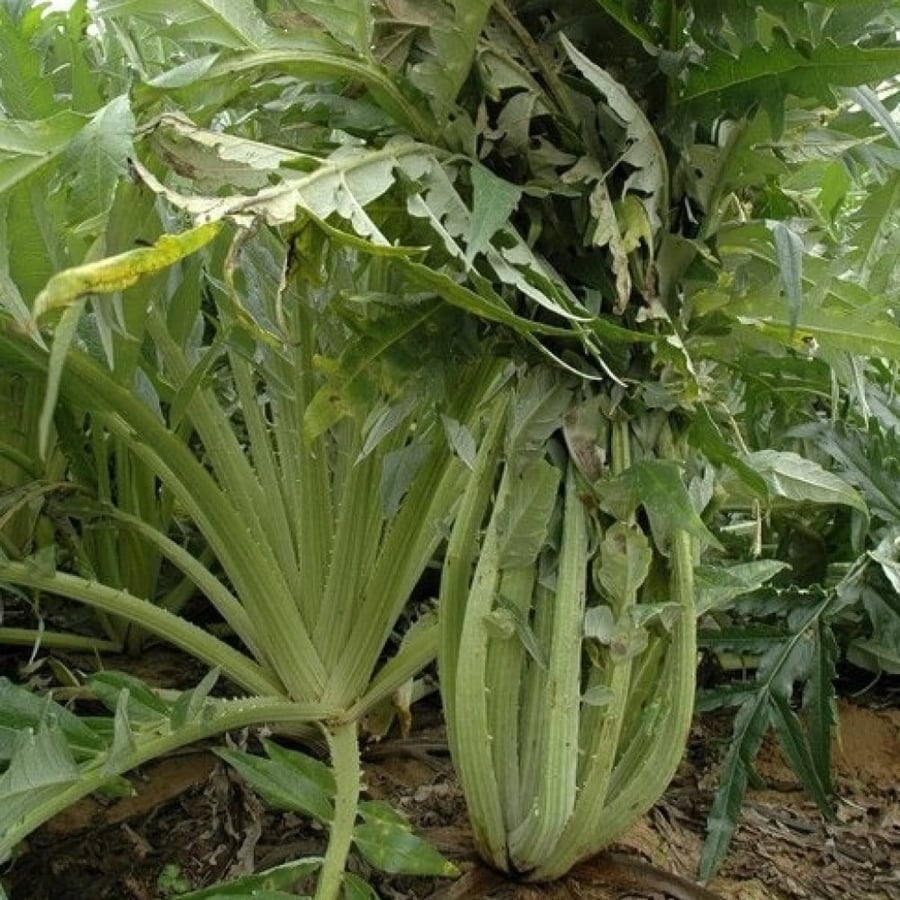
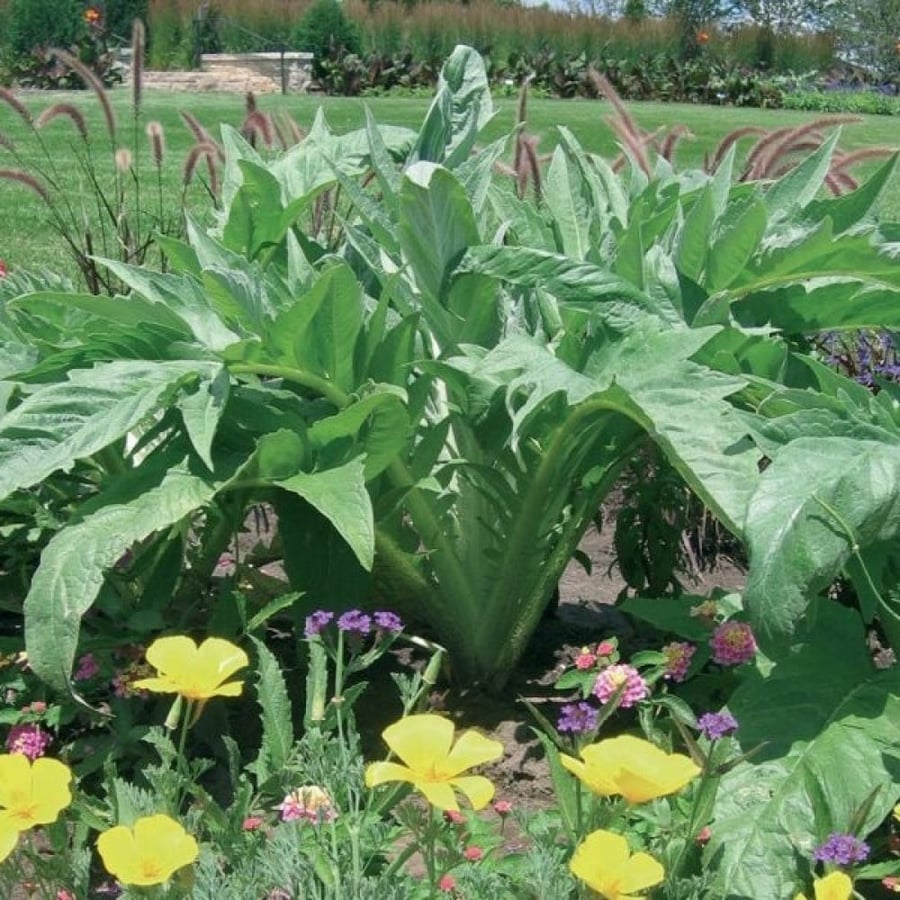
Herbaceous perennial thorny plant from the genus Cynara of the Asteraceae family, exceeding one meter in height, with a short trunk, thick root, and branched lateral roots. Its leaves are long, light green in color, with rhombic lobes and serrated edges. The lower part of the thorny artichoke is incised and gradually branches upward. Its flowers are eaten before they open, as well as the base of the inner leaves. It is widespread in the Mediterranean basin, where it grows in deserts, and its fruits are called by many names including Qoq, Qarnoun, Qunariya, and Qamoul.
What is the shape of the thorny artichoke flower?
Its flowers form on a cylindrical floral axis that exceeds 1.5 meters in height. The artichoke inflorescences are used as food before they open and are left until they bloom for ornamental purposes.
The fruit and seeds of cabbage - kale:
The fruit is the same as the flower before it opens, in addition to the base of the inner leaves. Its seeds are medium-sized, cylindrical, brown in color, reaching up to 1 cm in length.
When is the optimal time to plant thorny artichoke?
It is planted from seeds during the spring season.
What is the suitable climate and soil for growing thorny artichoke?
It grows in moderate climates and does not tolerate strong frost or temperatures below zero. It can be cultivated in salty, deep, and dry soil.
What is the method of cultivating thorny artichoke?
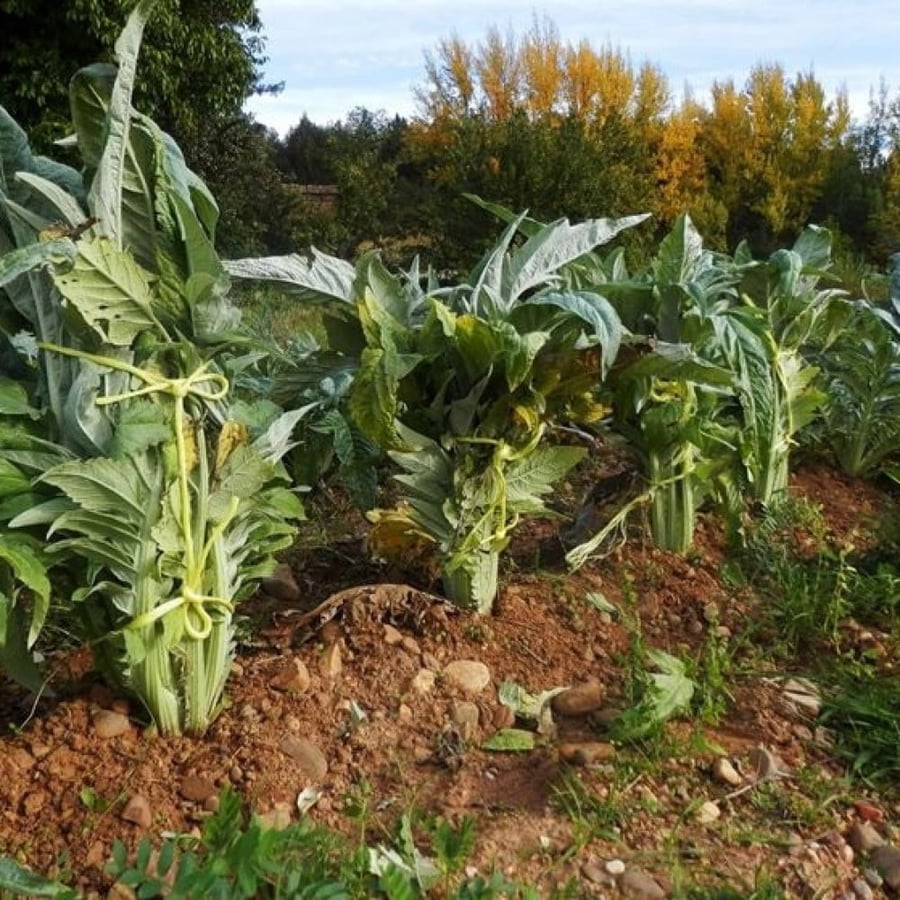
It reproduces through seeds planted at a depth of no more than 2 cm. It can also be fertilized with organic manure at least once to accelerate its growth and development. It needs abundant water during the germination period.
What are its benefits and uses?
It is cultivated for its fruits, whose inflorescences and the base of the inner leaves are edible and served in salads in some cultures. It has many health benefits, as it contains vitamins A and B, and most of its carbohydrates are inulin, which, when hydrolyzed, turns into fruit sugar and can be used as food for diabetics. The inflorescences of the artichoke are used in nutrition and are suitable for patients with diabetes, liver issues, and constipation, as they contain a large amount of inulin that converts into fructose, and they contain some laxative and anti-constipation juices.
Where is the native homeland of the thorny artichoke?
In the central and western Mediterranean basin, where it grows in the wild, and an annual festival is organized in America specifically for this plant.

From Buraydah