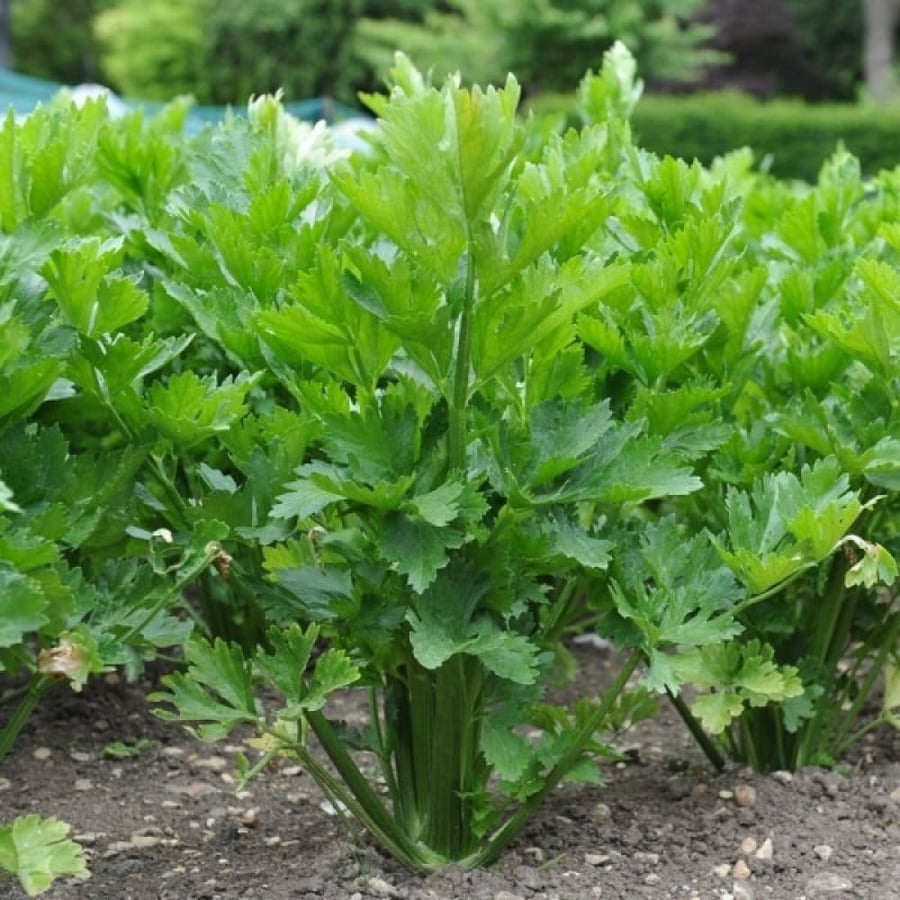
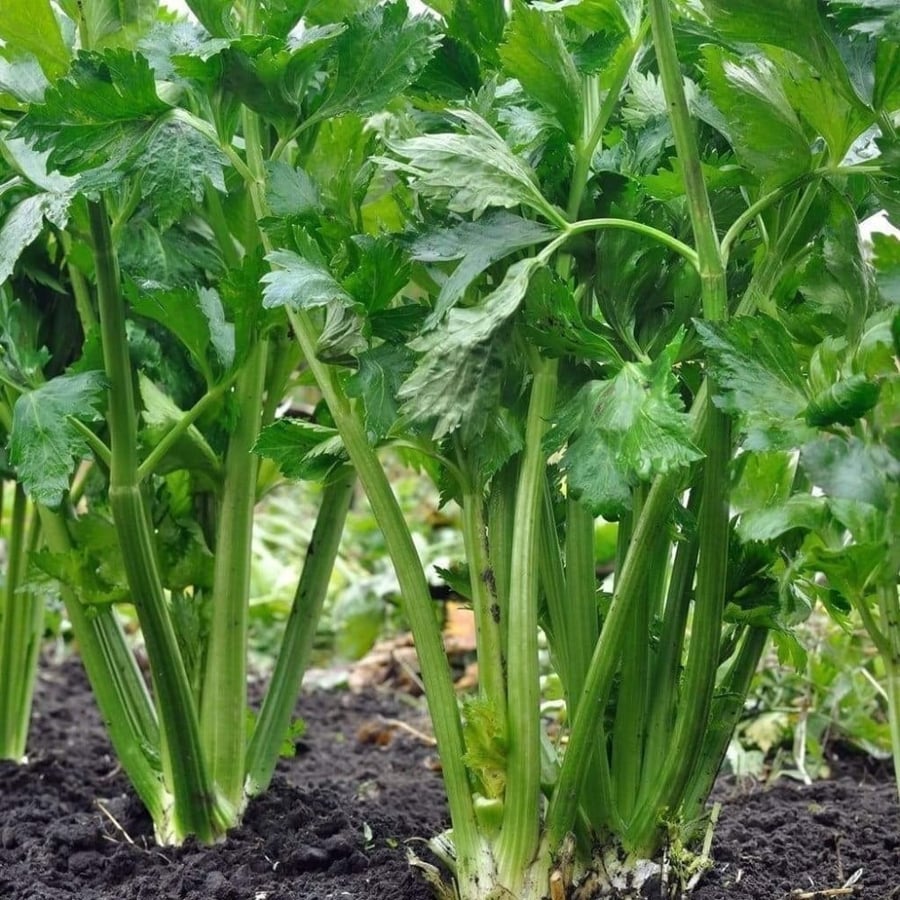
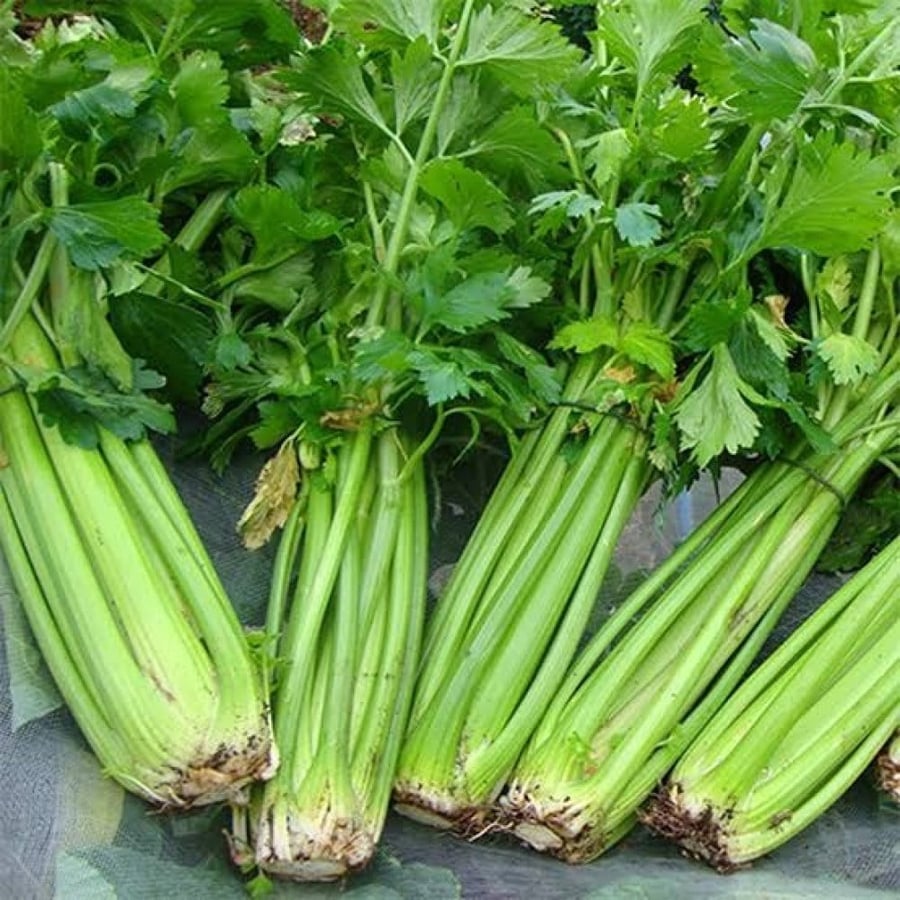
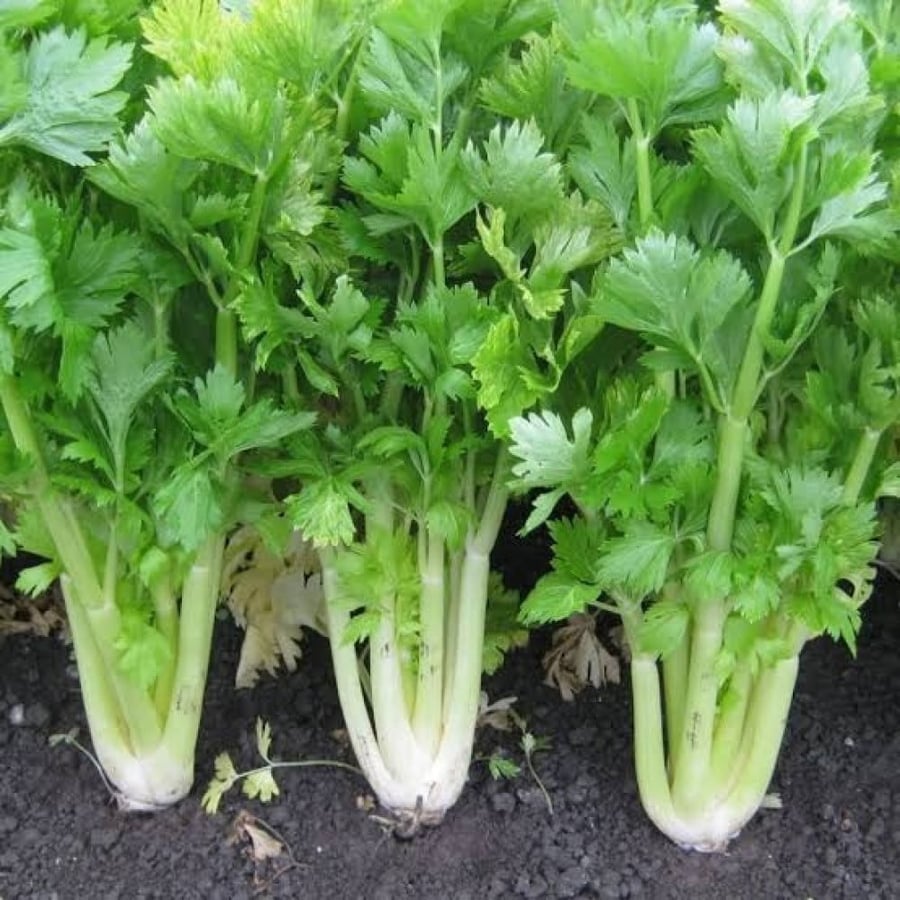
Celery seed (Apium graveolens)
5ر.س
Product description
Common name: Celery
Scientific name: Apium graveolens
Other names: Krafas - Sellerin
Belongs to the genus Apium of the Apiaceae family, lasts up to two years, and grows where it reaches about one meter in height. It is a plant similar in shape to parsley but larger and thicker, with differences in taste and aroma. It is considered one of the most famous edible plants worldwide, characterized by its low calories.
Celery plant flower: Bears flowers in umbels, small and white, and the flowers of one umbel bloom over several days.
Celery seeds: Ripen at the end of summer and are small and brown.
Celery planting season: Cultivated in two seasons. The first (summer crop) is sown in the nursery during January and February and transplanted after two months. The second (winter crop) is sown in July and August and transplanted after a month and a half.
Suitable climate and soil for celery: Celery requires long days with a cold season. This crop cannot withstand severe cold. Good yields can be expected with abundant sunlight and warm days, cool nights, and low humidity conditions. It also requires well-drained soil rich in organic matter, with a soil pH of 6.0 to 6.5 to increase crop productivity. However, it thrives significantly above a pH of 6.5.
Method of cultivating celery: Celery is propagated from the base of fresh celery plants or from seeds. Since celery seeds are very small, they can be mixed with sand to facilitate distribution.
Its benefits and uses: Celery is a low-calorie vegetable, also lowers cholesterol levels, and has anti-inflammatory properties.
Original habitat of the celery plant: The temperate region of Asia, then it spread to Europe and the Mediterranean coasts.

From Buraydah