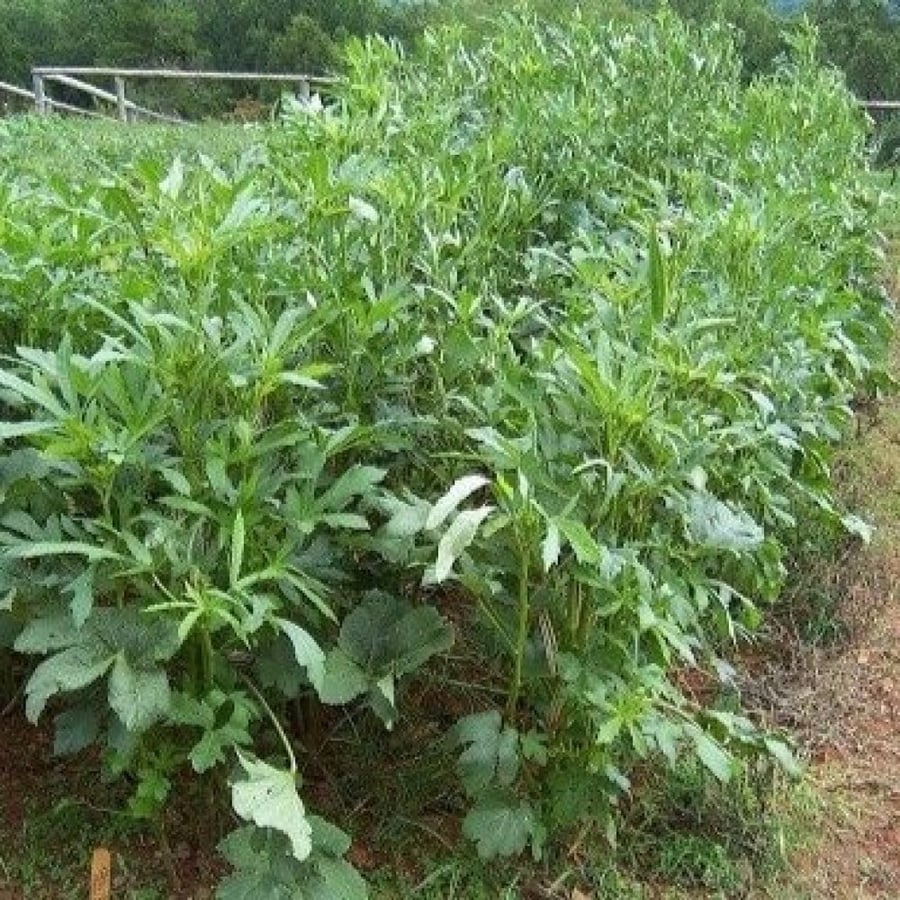
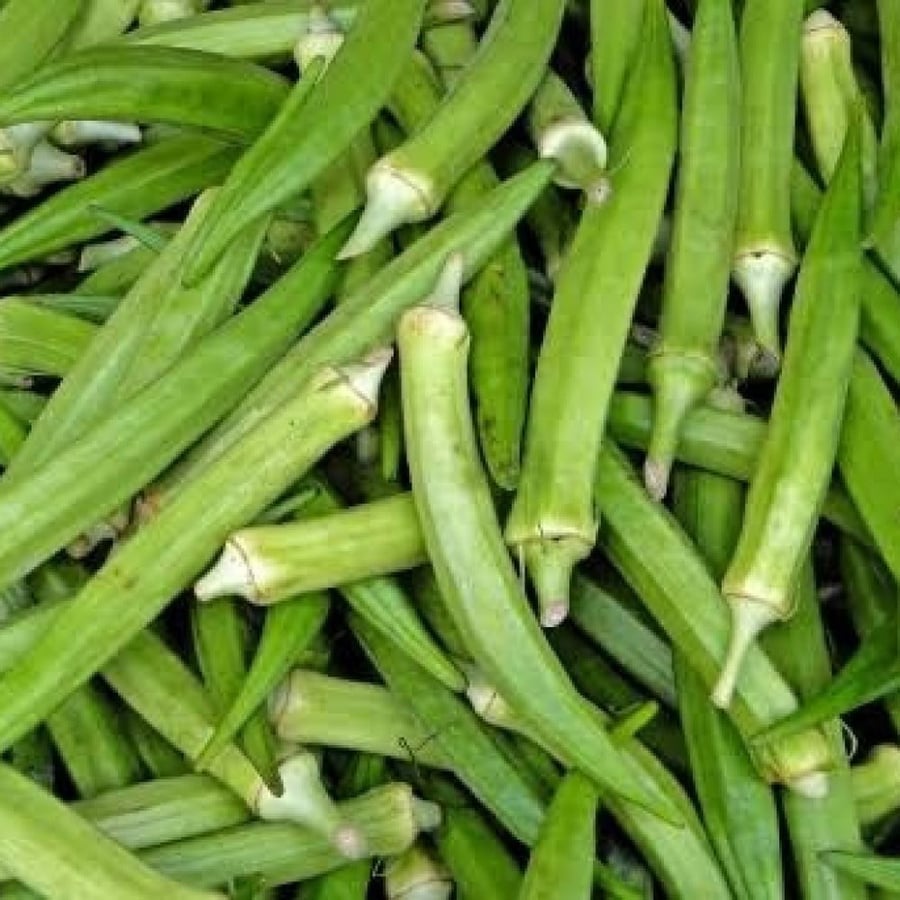
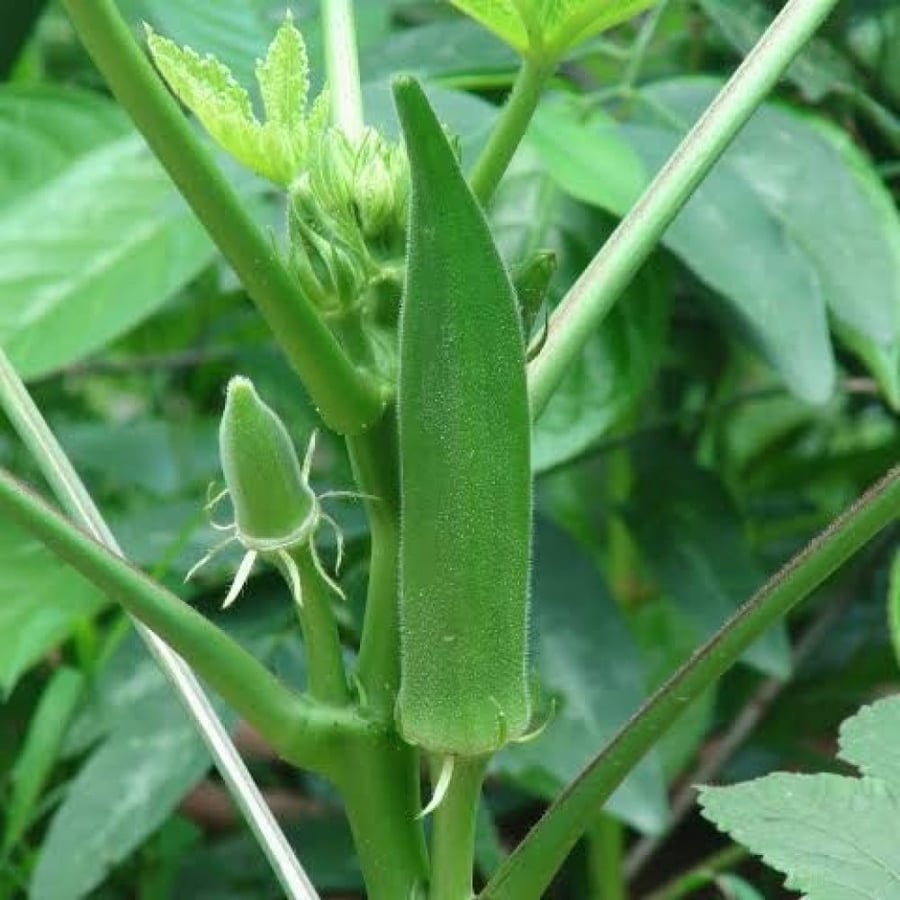
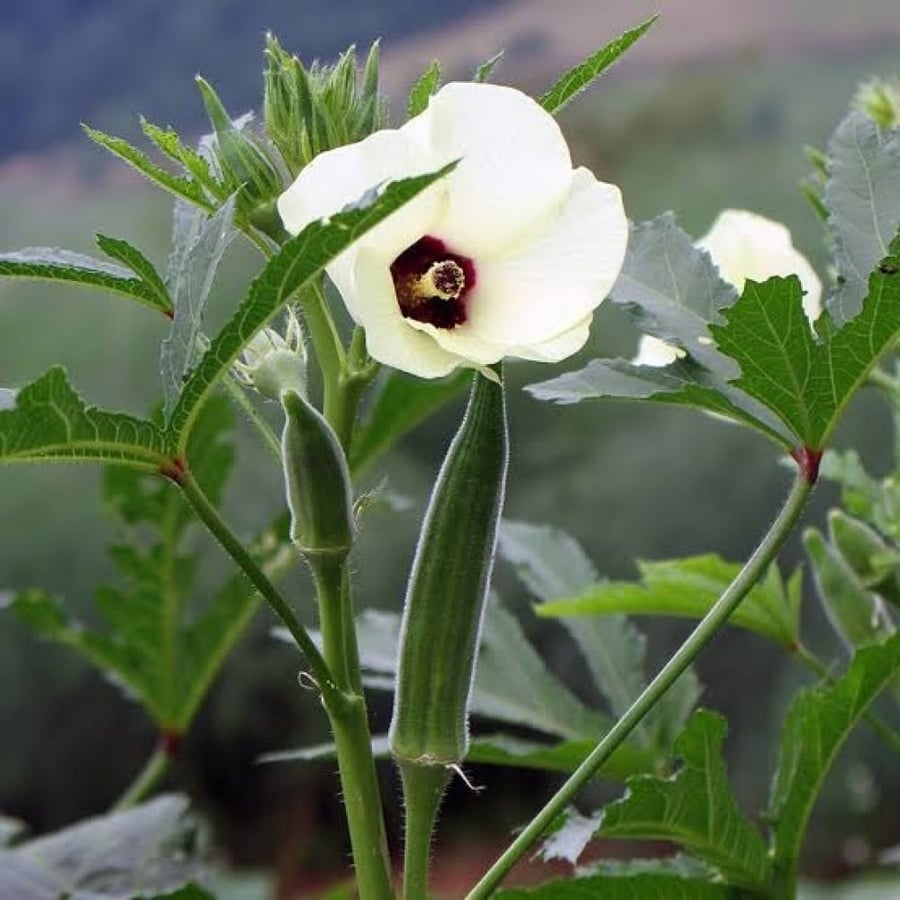
Seeds of the okra plant (Abelmoschus esculentus)
5ر.س
Product description
Common name: Okra
Scientific name: Abelmoschus esculentus
Other names: Bamia - Qanawiya
Okra is a plant species belonging to the genus Abelmoschus of the Malvaceae family, and its green fruits are edible. It is an annual or biannual plant. The plant reaches a height of up to 2 meters. The leaves are broad, measuring between 10 to 20 cm in length. The leaf blade has 5 to 7 lobes.
• Okra flower: The diameter of the flowers ranges from 4 to 8 cm. Each flower consists of 5 petals, with colors ranging from white to yellow, with purple spots at the base of each petal.
• Okra fruit and seeds: The fruits are edible when cooked; they are long green pods covered with soft hairs, reaching up to 20 cm in length.
• Growing season for okra: Seeds are planted in January and February in warm regions.
• Suitable climate and soil for growing okra: Okra needs to be under sunlight for at least eight hours a day. It is preferable that the soil is loose, fertile, and slightly alkaline. If the soil is acidic, some lime should be added a few months before planting, along with appropriate fertilizer. It is sensitive to frost and drought, and should be watered regularly.
• How to cultivate okra: It propagates through seeds planted at a depth of 1 cm from the soil surface. Organic fertilizer can be added at least once to accelerate growth and development. It can also be propagated by seedlings.
• Benefits and uses: It is used for food and has many health benefits. A type of fiber is extracted from its stems and ripe fruits, which is used in textile and paper manufacturing.
• Native habitat of okra: Okra originated in tropical Africa and has been cultivated in the Middle East and India for a long time. In the 19th century, wild okra plants were observed along the White Nile in Sudan. Its cultivation is widespread in Saudi Arabia and most Arab countries.

From Buraydah