Seeds of the Najdi Talh tree (Acacia gerrardii)
6ر.س
Product description
Common name: Najdi Talh
Scientific name: Acacia gerrardii
Among its names: Alqurun
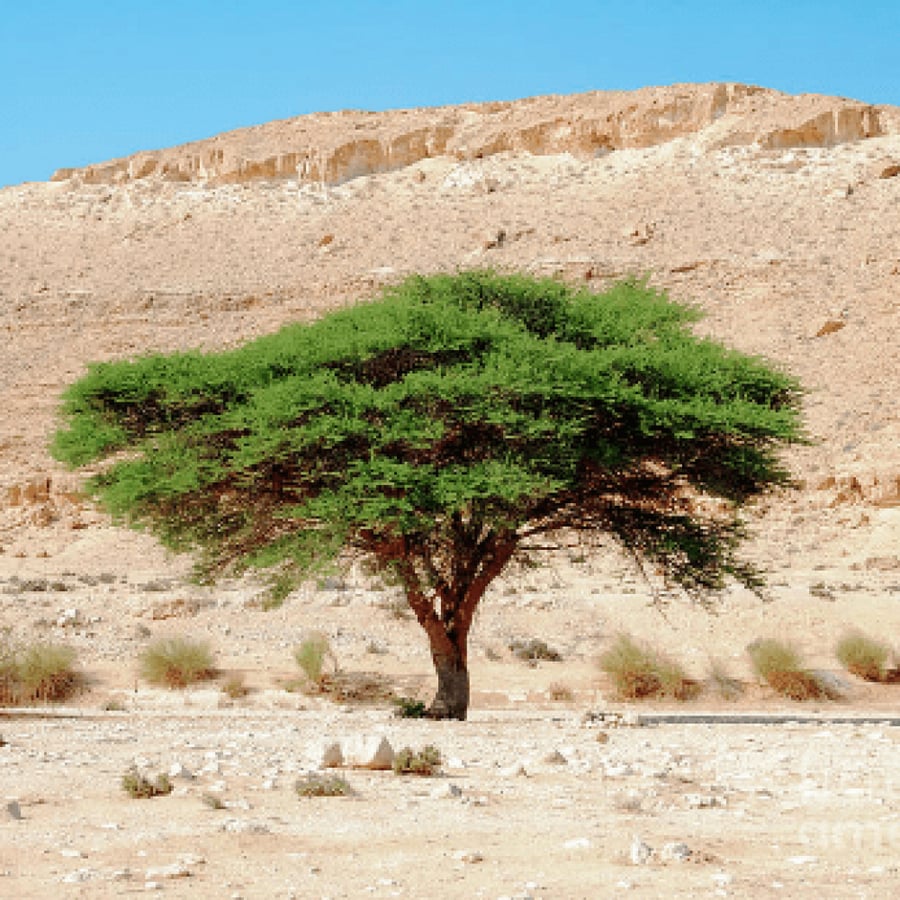
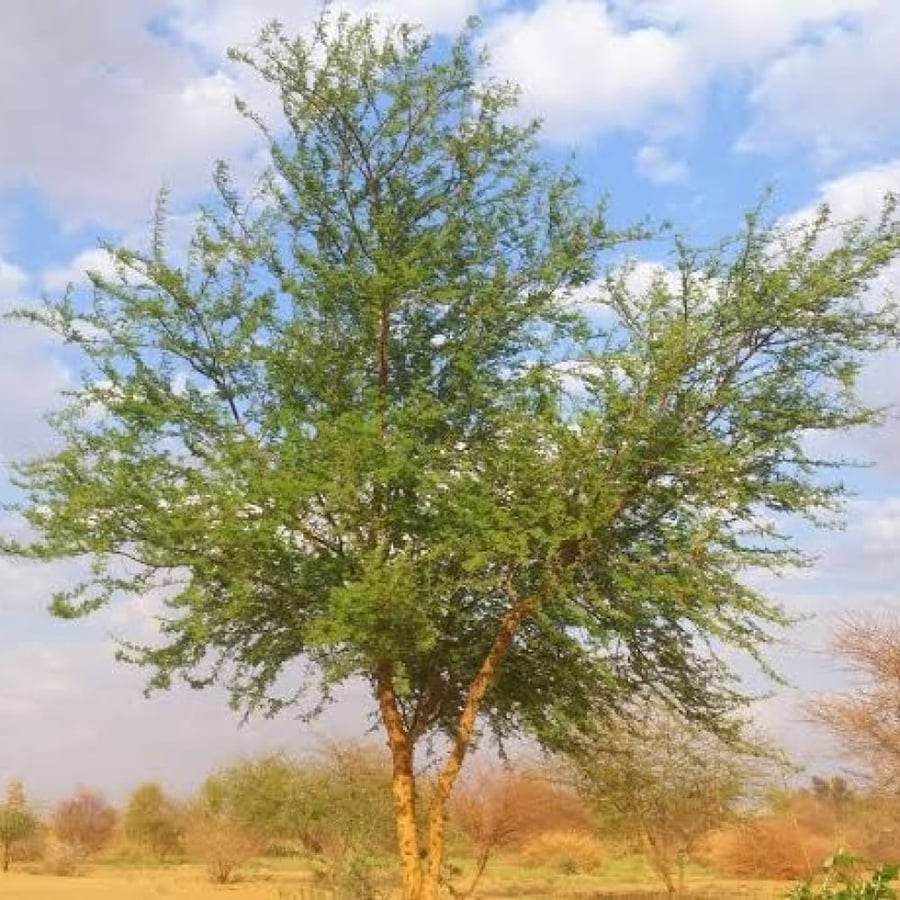
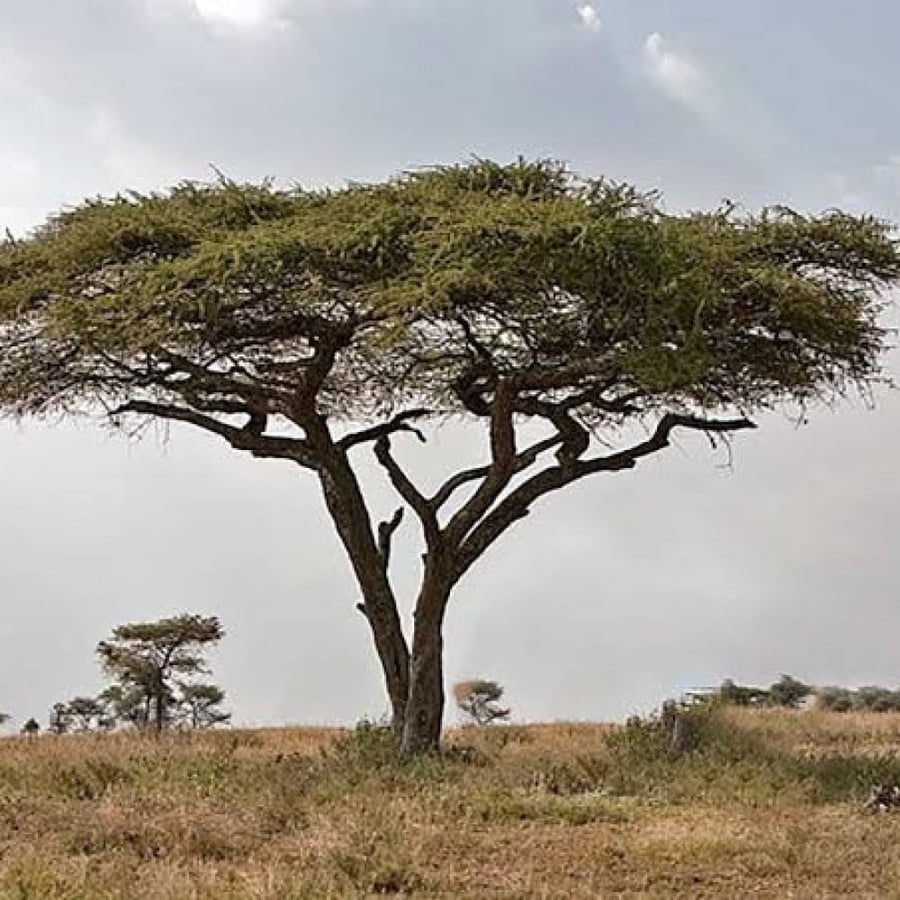
Najdi Talh trees are varied, with branches bearing thorns and dark-colored cracked bark on the trunk. They grow in lowlands, valleys, and watercourses. Their trees have a flat crown and a single, twisted, red trunk. The modern branches are covered with dense grayish hairs and have many pairs of white thorns. The main trunk of mature trees has no thorns. They reach a height of 8 to 10 meters. Their leaves are deciduous.
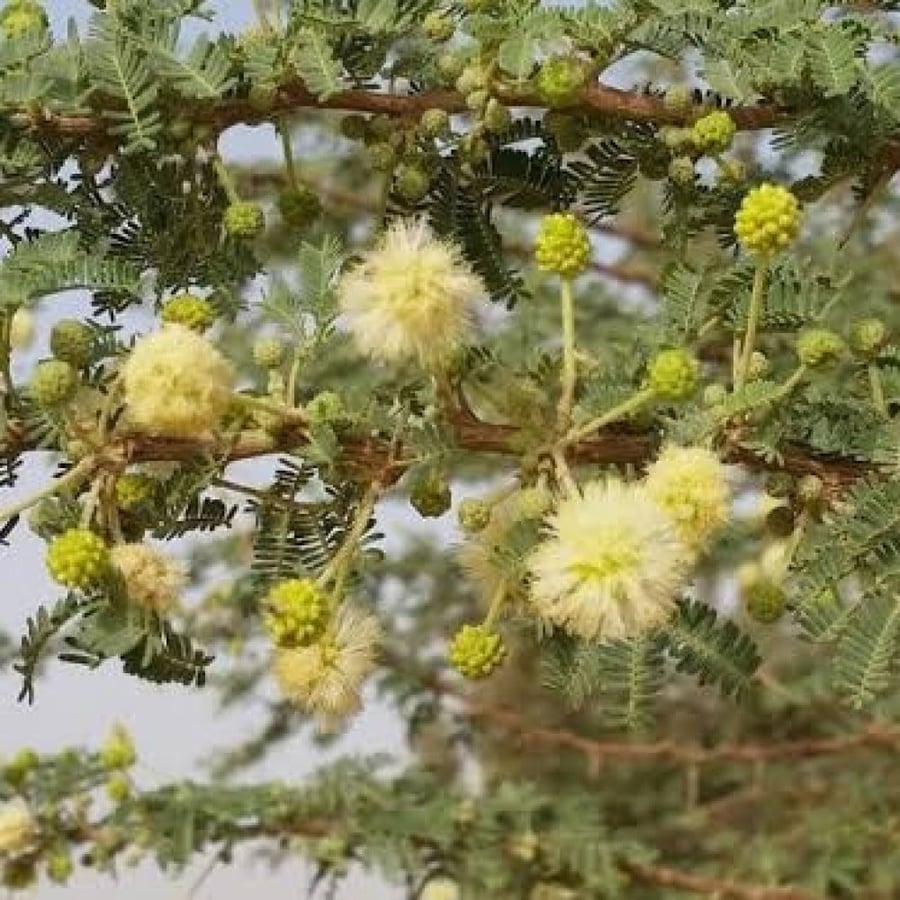
• Najdi Talh tree flower: Its flowers appear in round, white to yellowish inflorescences, with a fragrant smell, from October to February.
• Fruit and seeds of Najdi Talh tree: The fruits are straight, elongated pods, up to 15 cm long. The tip is curved, and they are red in color.
• Najdi Talh tree germination season: The germination season is in March and April, as well as in October and November, which are moderate months of the year, suitable for most seeds, especially wild seeds.
• Suitable climate and soil for Najdi Talh tree: It tolerates harsh climatic conditions, such as hot weather, drought, and dryness. It can withstand frost below 10°C. It grows in desert sandy soil. Watering during winter days is once every two days, and once during summer days, preferably in the evening or morning, avoiding watering at noon.
• How to cultivate Najdi Talh tree: First, sort and clean the seeds from damaged or rotten ones. Then, gather the seeds and create a small protected area. Add sand and organic fertilizer to the cultivated soil. It can be cultivated year-round in agricultural shelters, enclosed or plastic places where temperature can be controlled, and where plants receive adequate sunlight or lighting.
• Its benefits and uses: It produces gum arabic, used as medicine for treating physical ailments. Its flowers are also used for beekeeping to help produce various types of honey.
• Native habitat of Najdi Talh tree: Its original habitat is the Arabian Peninsula desert.

From Buraydah