
Tropaeolum majus seeds - Abu Khanjar
6ر.س
Product description
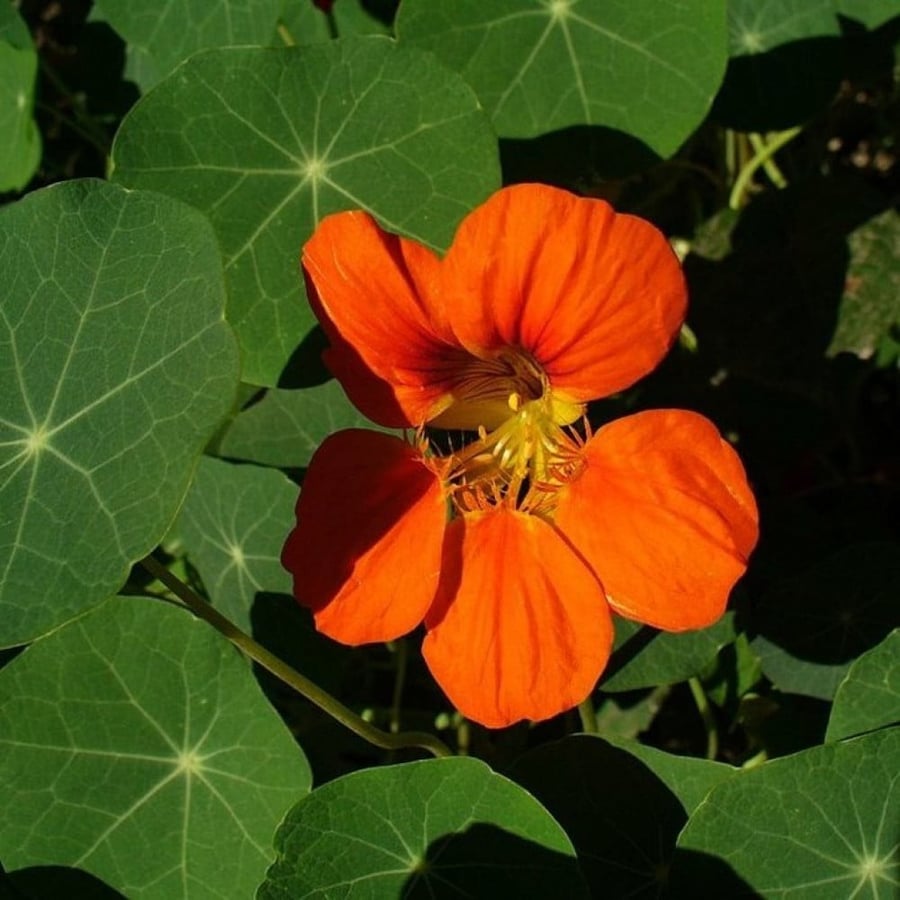
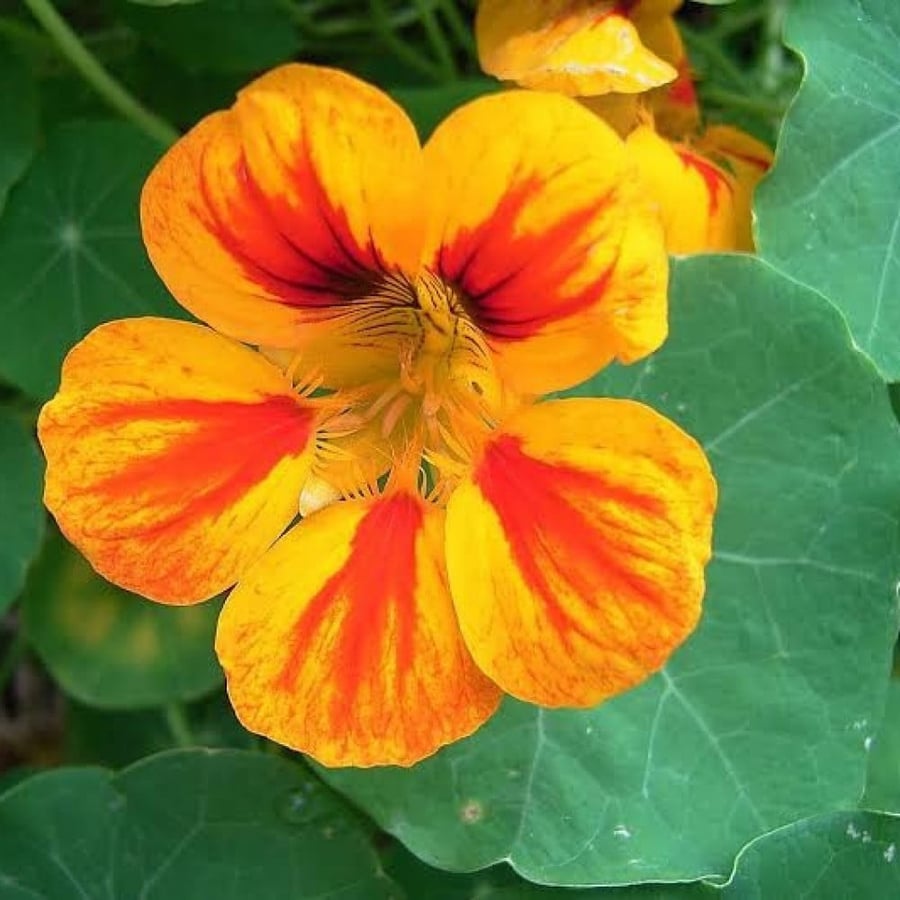
Common name: Nasturtium - Abu Khunjar
Scientific name: Tropaeolum majus
Other names: Large Kaboosin - Indian Rocket
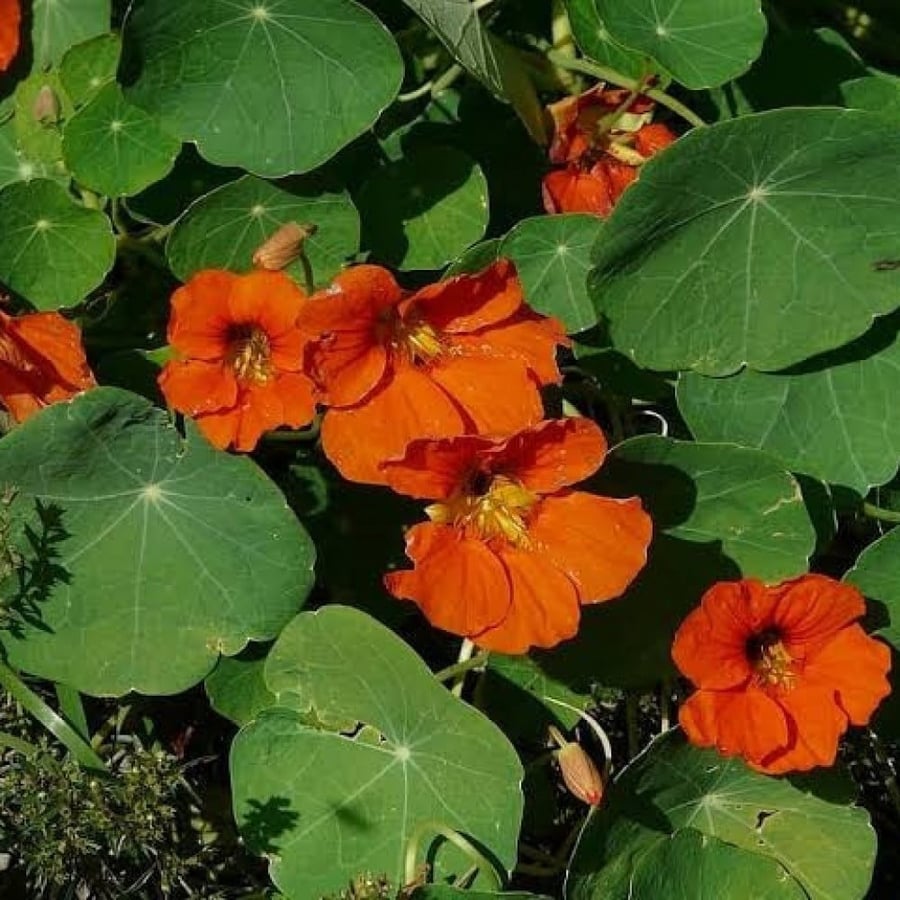
Plants around: climbing fast-growing vine that crawls up to 7 meters, and climbs up to a height of 2 meters. As a seasonal plant, it lives long, its flowers and leaves have a peppery taste, and the leaves are alternate green, disc-shaped, reaching up to 10 cm in length.
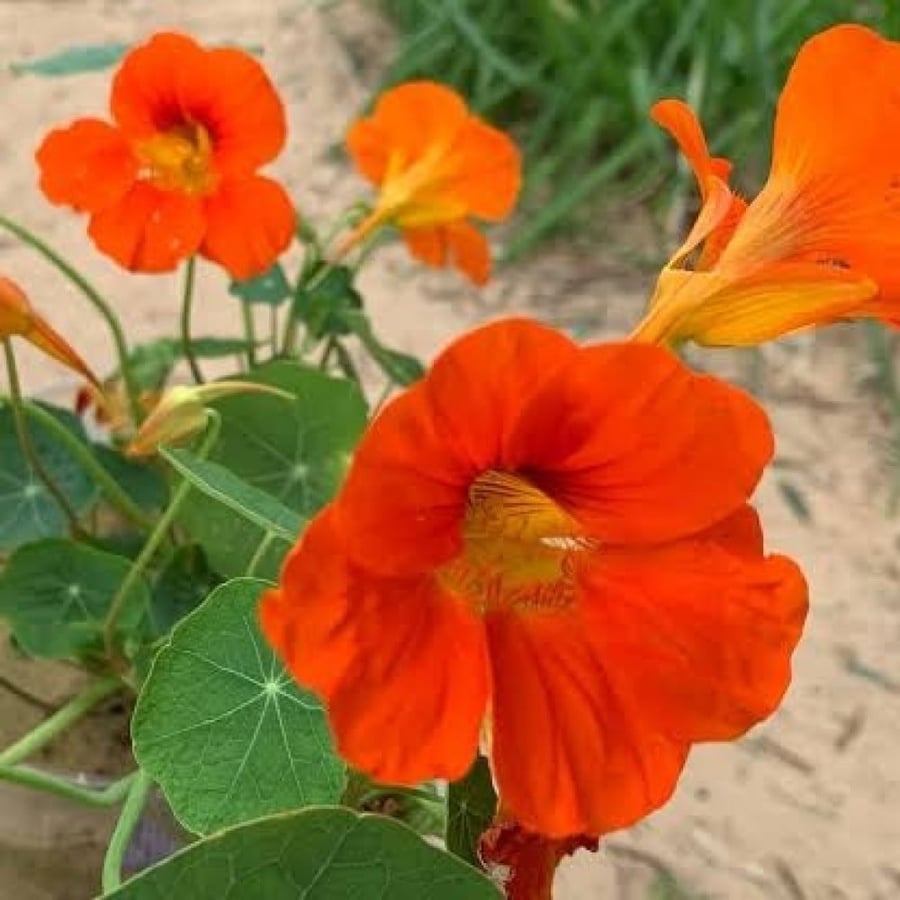
Nasturtium - Abu Khunjar: Its flowers are bell-shaped, multicolored such as red and orange, and its name Abu Khunjar comes from the dagger-shaped form of its flowers, blooming from June to September.
Nasturtium seeds - Abu Khunjar: Its fruit is a pod, and the seeds are medium-sized, brown in color.
Germination season: The appropriate time to plant Abu Khunjar with seeds is in the fall, in months 9, 10, 11, and it blooms from January to May. It can also be cultivated year-round in agricultural greenhouses and enclosed or plastic places where temperature can be controlled, sunlight reaches, or adequate lighting is available.
Suitable climate and soil for growing Nasturtium - Abu Khunjar: This plant does not tolerate frost at all. It can be grown in ordinary low-salinity soil, but it thrives more in poor soil and does not require fertilizers or special care, and is watered regularly.
Method of cultivating Nasturtium - Abu Khunjar: It reproduces by cuttings and seeds. When planting, it is preferred to soak the seeds in lukewarm water for 12 hours, then plant them in the soil to facilitate and accelerate germination at a depth of 1cm – 2cm from the soil surface.
Its benefits and uses: Used for decoration and is suitable for home cultivation.
Original habitat: Its native habitat is western South America, in Brazil, Peru, and Colombia. It is cultivated in Saudi Arabia and Gulf countries.

From Buraydah