Leucaena leucocephala tree seeds
6ر.س
Product description
Common name: Leucaena
Scientific name: Leucaena leucocephala
Other names: Al-ashnan - Sheiba
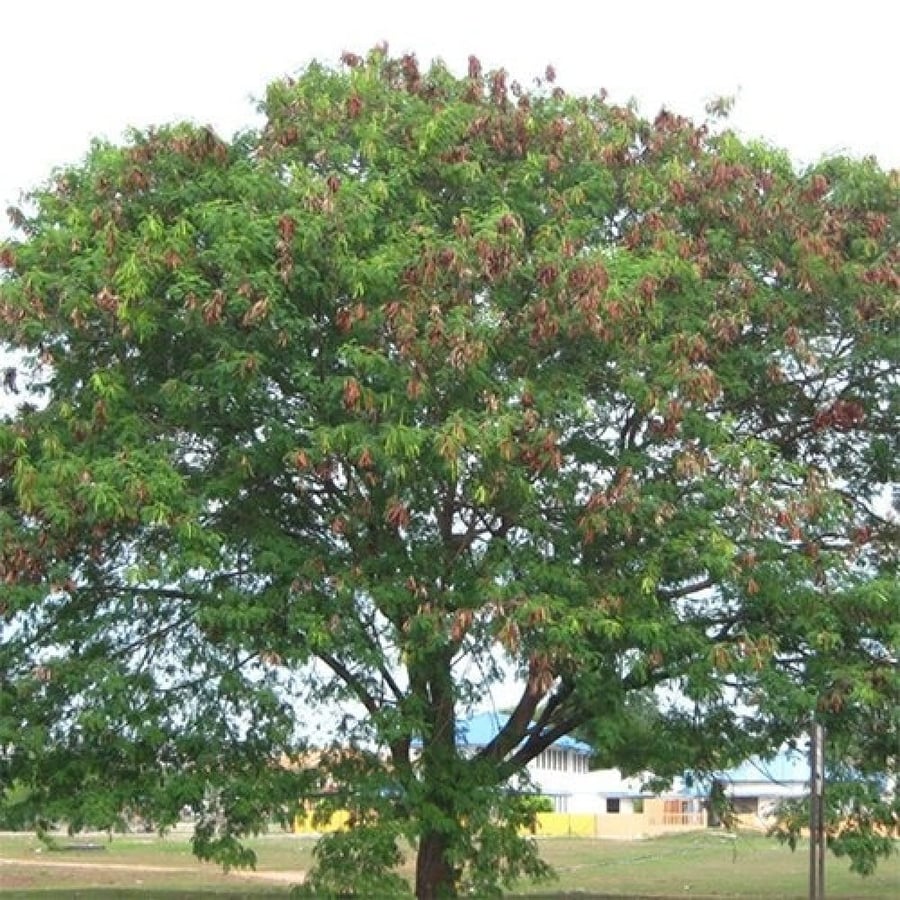
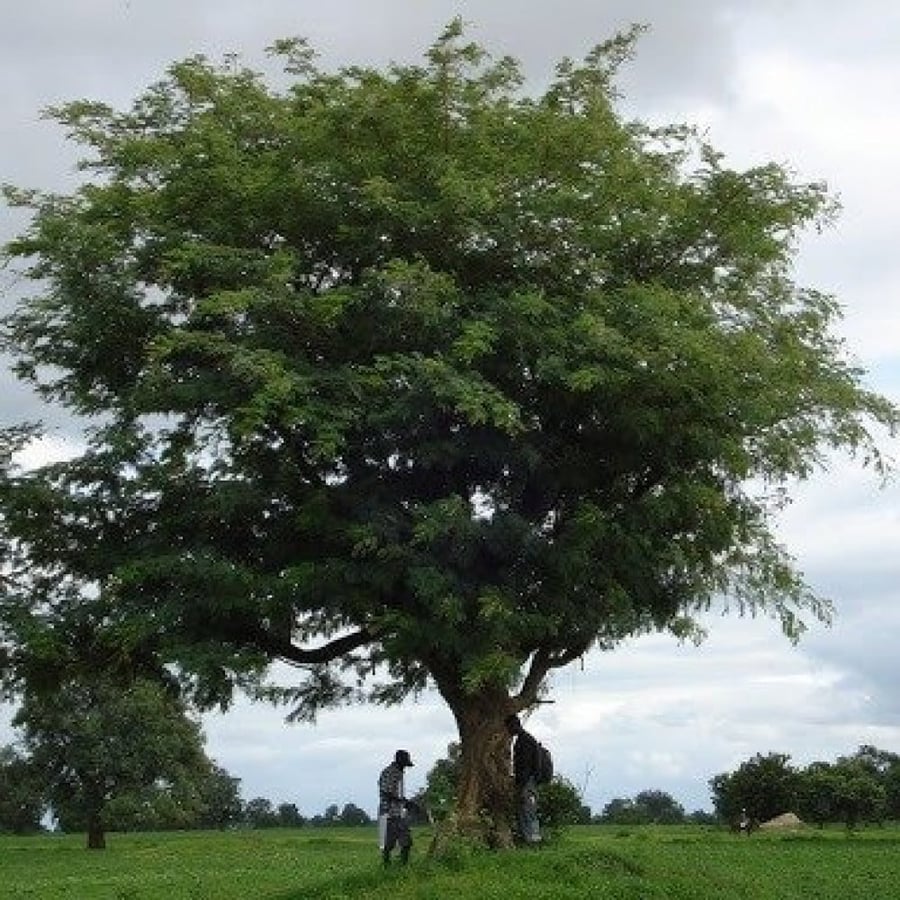
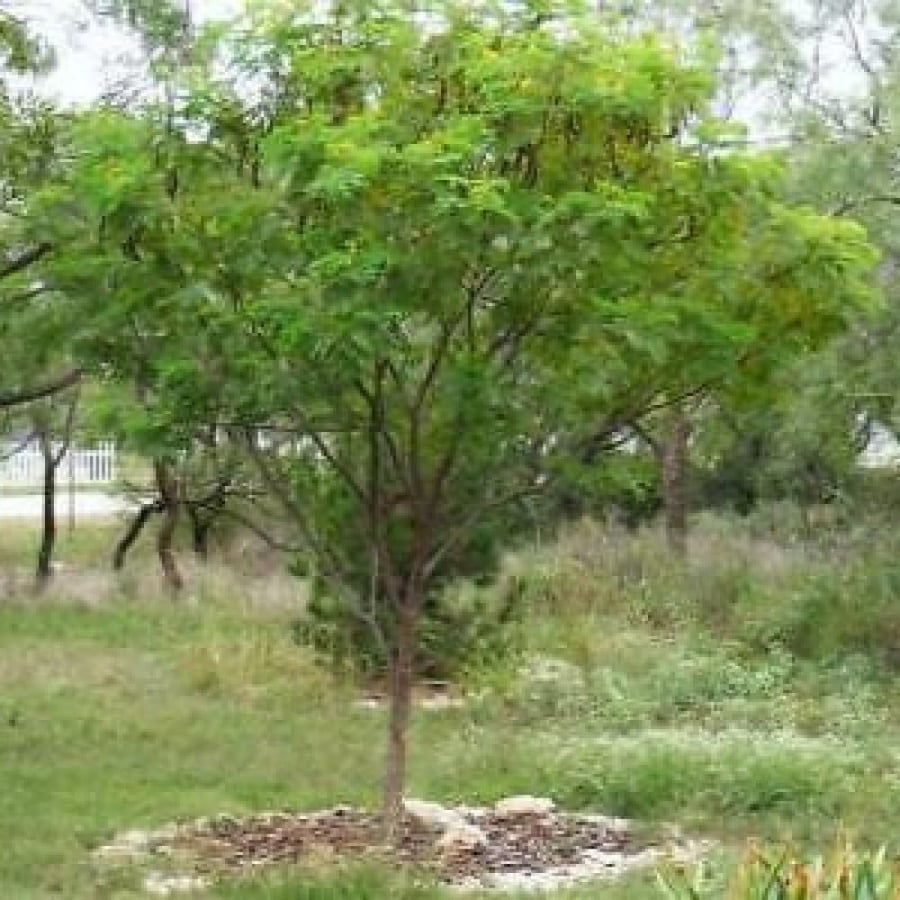
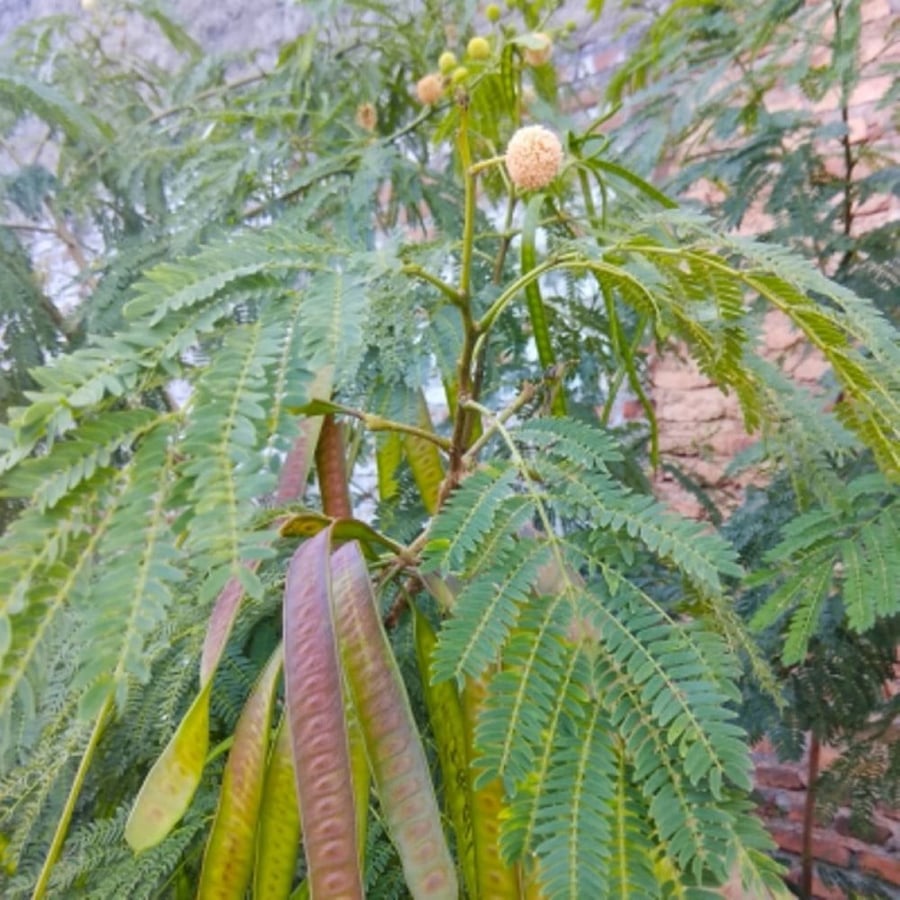
A fast-growing tree that reaches up to 10 meters in height, with a slender trunk covered in rough brown bark. Its leaves are soft, feathery, and double-pinnate. Leucaena forms a dense tree group when the environment is suitable.
• Leucaena tree flowers: The flowers are numerous, white, in unlimited cluster inflorescences resembling pin cushions, with a head carried on a long stalk, measuring between 2 cm – 3 cm. It blooms from April to December.
• Leucaena tree fruit and seeds: The fruits are brown pods covered on the tree, each reaching up to 19 cm in length. They are not edible but contain seeds inside.
• Leucaena seedling season: It is planted in March and April, and can also be cultivated year-round in agricultural nurseries, enclosed or plastic places where temperature can be controlled, sunlight reaches, or where adequate lighting for the plant is available.
• Suitable climate and soil for growing Leucaena: Leucaena is a plant that tolerates high temperatures and drought, but it is not frost-resistant and can grow in most soil types, although its growth is weak in acidic soils. Despite its drought tolerance, it needs watering during its early growth stages.
• How to cultivate Leucaena: The plant propagates by seeds that require dormancy-breaking treatments. It can also be propagated by cuttings. Leucaena responds well to fertilization and lime addition to the soil. Seeds are germinated in trays covered with a thin layer of soil, or it can be directly planted in the ground, but at a distance of up to 3 meters to prevent crowding of the trees.
• Benefits and uses: It is suitable as fodder for livestock and animals, as its leaves contain a high protein content of up to 65%. It also stimulates milk production in dairy animals. Additionally, it is used as firewood, and the bark is used to relieve internal pain. The roots produce extracts that help with labor difficulties and menstruation, and are also used as a hair remover.
• Native habitat of Leucaena: Its native country is Mexico and Central America. Its cultivation has proven successful in several countries, including Saudi Arabia and the Gulf countries.

From Buraydah