


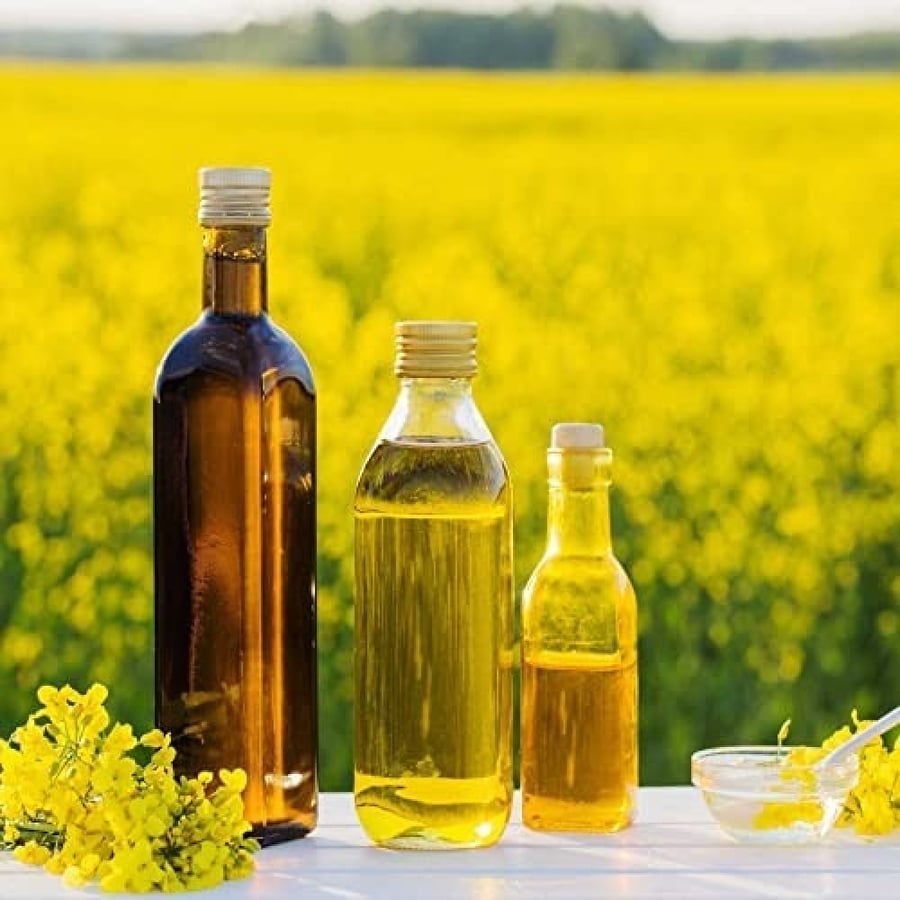


Oilseed rape plant seeds
7ر.س
Out of Stock
Product description
Common name: Sajjama
Scientific name: Brassica napus
Other names: Oil radish
Belonging to the Brassicaceae family
Exceeds one meter in height
Believed to have originated from hybridization of cabbage with regular turnip
Has a taproot and a branched stem
Has grayish, serrated leaves at the bottom, and full, lance-shaped leaves at the top
Has attractive, bright yellow flowers
Considered the third plant from which vegetable oils are extracted after palm oil and soybean oil
• Sajjama flower: Its clusters are bright yellow with multiple petals
• Sajjama seeds: Small, dark, spherical, and hard
• Sajjama planting season: Grown in the fall, and can also be cultivated year-round in moderate regions, agricultural reserves, enclosed or plastic-covered areas where temperature can be controlled, sunlight reaches, or adequate lighting is available
• Suitable climate and soil for Sajjama cultivation: Thrives in moderate weather, considered good for soil due to its roots that contribute to fertilization and increase nitrogen content
• Sajjama cultivation method: Grown from seeds planted at a depth not exceeding 1 cm from the soil surface; can be fertilized with organic fertilizer at least once during flowering to accelerate growth
• Benefits and uses: Grown to extract oils, as its oil does not dry out; currently, Sajjama oil extraction is an important industry in France; its leaves are used as high-protein fodder; also cultivated for ornamental purposes
• Original habitat of Sajjama: Europe, from where it spread to many parts of the world

From Buraydah