



Traveler's date palm seeds - false banana (Ravenala madagascariensis)
23ر.س
Out of Stock
Product description
Common name: Traveler's palm - False banana
Scientific name: Ravenala madagascariensis
Other names: Ravenala - Raa'ma
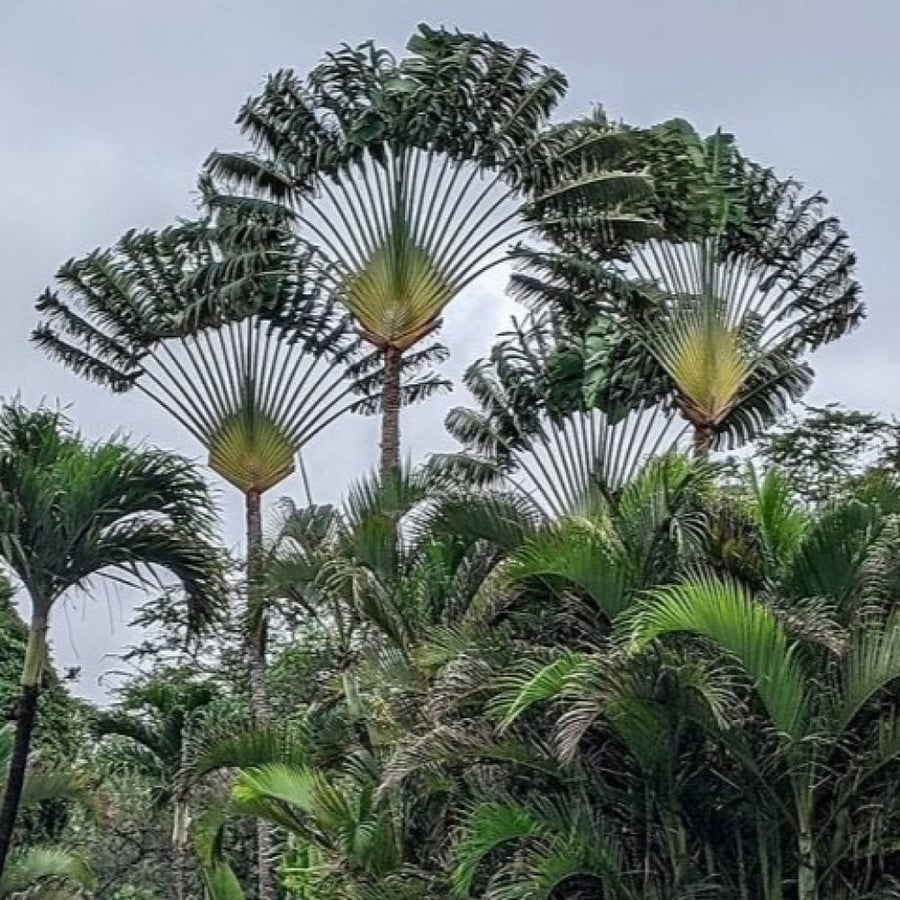
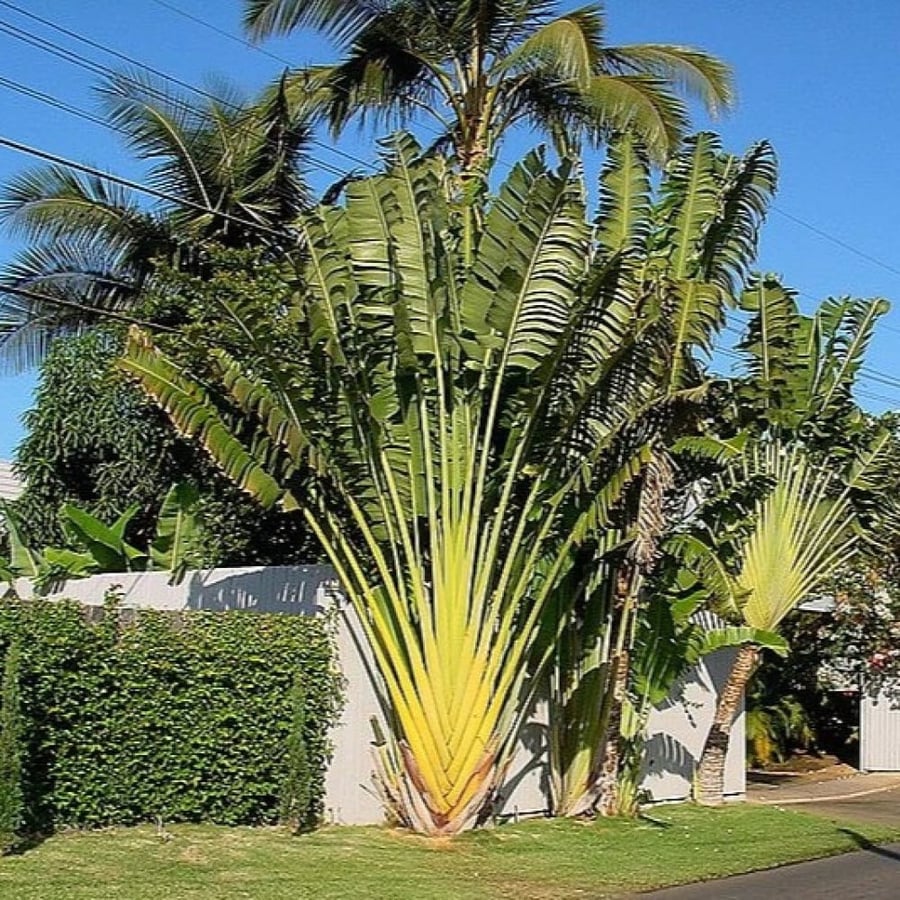
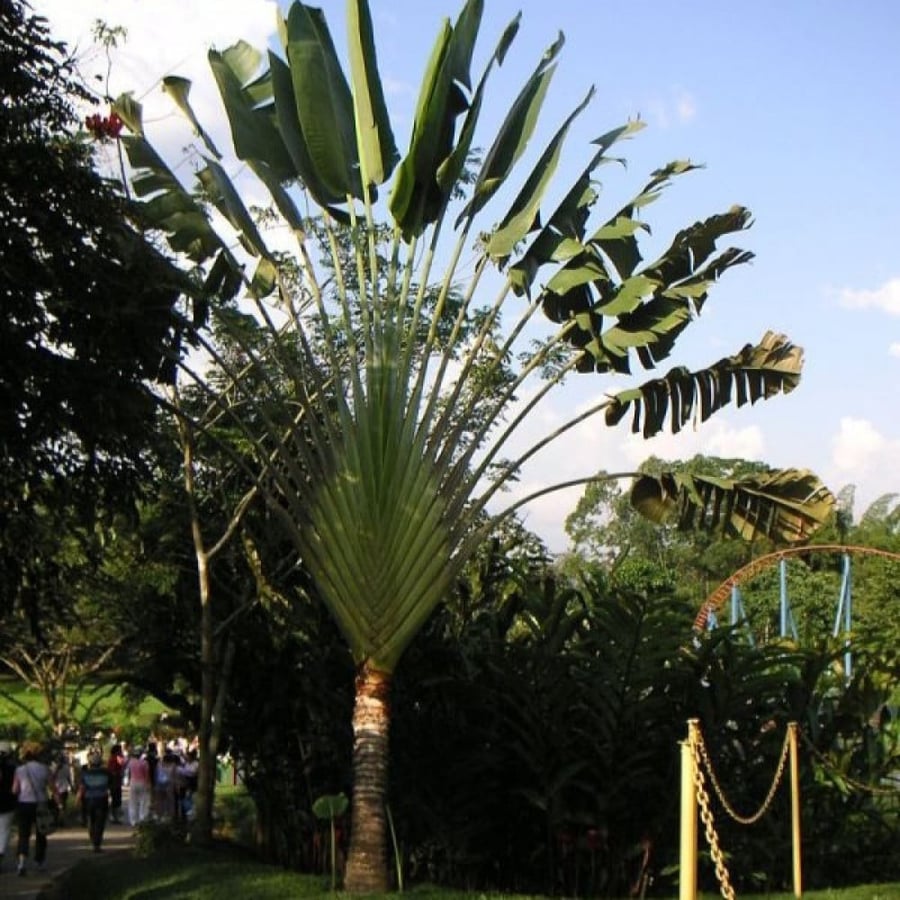
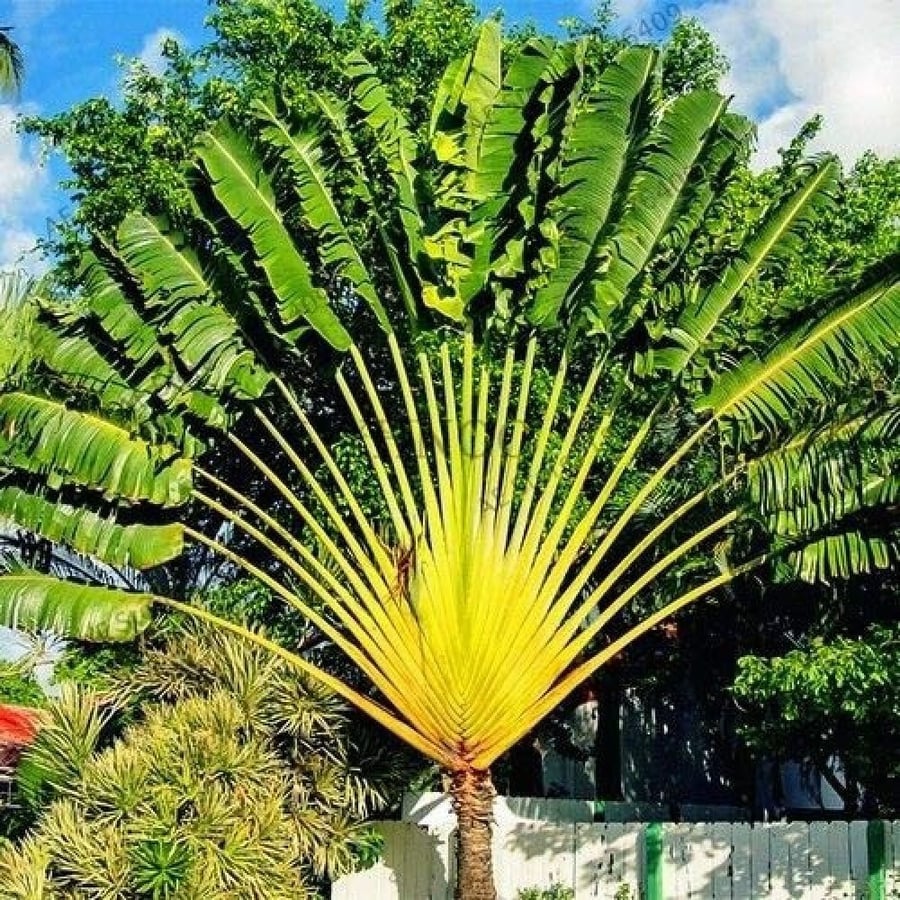
A tree from the Strelitzia family, which is the same family that the bird of paradise plant belongs to with its five varieties. It resembles a banana, hence called the false banana. It exceeds 10 meters in height, and as it ages, its lower leaves fall off, revealing its solid gray trunk. It has paddle-shaped leaves arranged in a fan-like pattern, creating a stunning view, making it one of the most beautiful ornamental trees. The leaf sheaths retain cold, clear water, which is why it is called the Traveler's palm.
Flowers of the Traveler's palm - False banana:
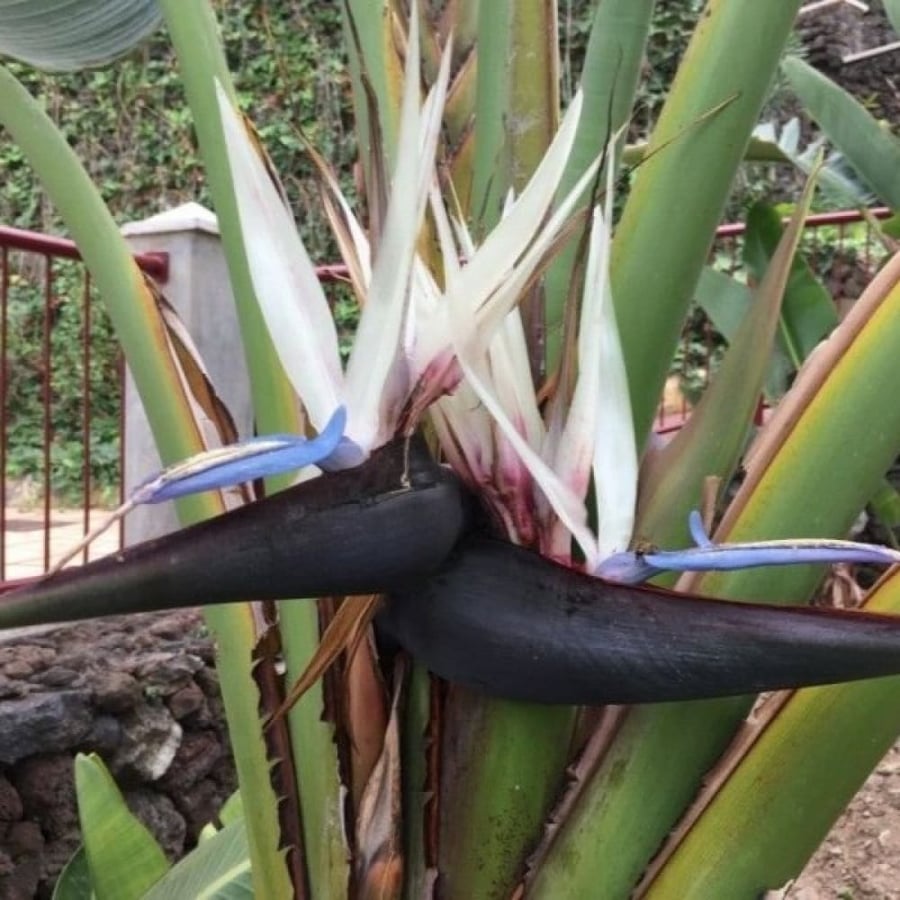
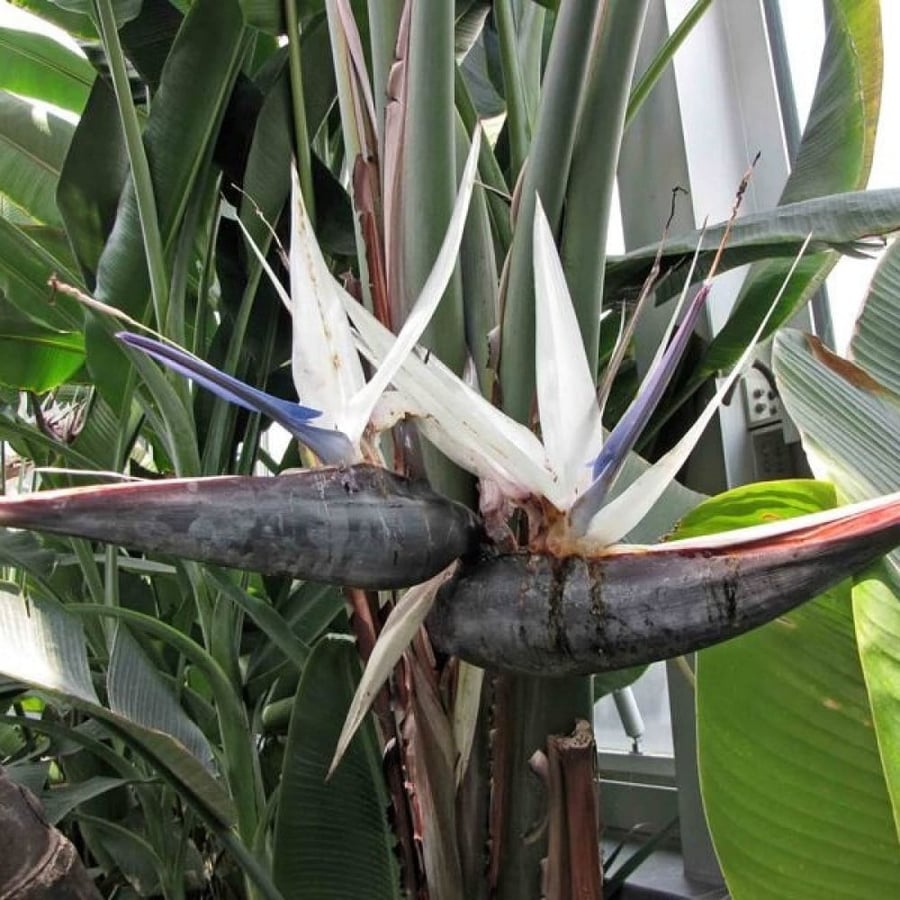
It has white flowers similar to the bird of paradise flowers but larger in size.
Seeds of the Traveler's palm - False banana:
When the flowers are pollinated and mature, they open to reveal medium-sized oval-shaped seeds covered with a bluish, fuzzy shell.
Growing season of the Traveler's palm - False banana:
It is planted in (March - April), or (August - October), and can also be cultivated year-round in temperate regions, agricultural reserves, enclosed spaces, or plastic greenhouses where temperature can be controlled and sunlight or adequate lighting is available.
Suitable climate and soil for cultivating the Traveler's palm - False banana:
It prefers sunlight and humidity, tolerates heat, and grows better with regular watering and fertilization. It can be grown in well-drained clay or sandy soils, provided the soil is not alkaline or saline. It is an easy tree to cultivate and care for but requires sufficient and regular watering.
Method of cultivating the Traveler's palm - False banana:
It propagates through division or seeds, which require treatment because they are hard seeds. Therefore, they are soaked in water for 24 hours before planting. The seed tip can also be scratched to speed up germination, but care must be taken not to scratch or touch the embryo inside the seed, as this can kill it.
Its benefits and uses:
It is planted for decoration in gardens and homes.
Original habitat: Madagascar.

From Buraydah