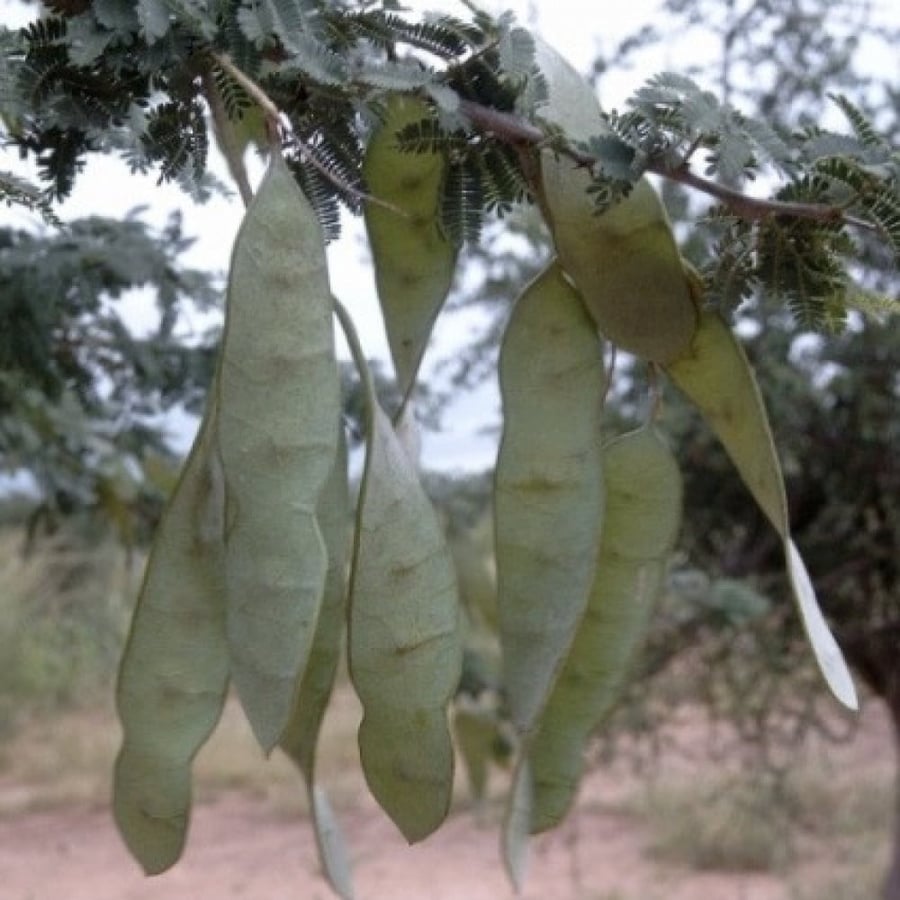
Arab gum tree seeds - Al Hashab (Acacia senegal)
7ر.س
Product description
Common name: Gum Arabic
Scientific name: Acacia senegal
Among its names: Senegal Acacia - Hashab
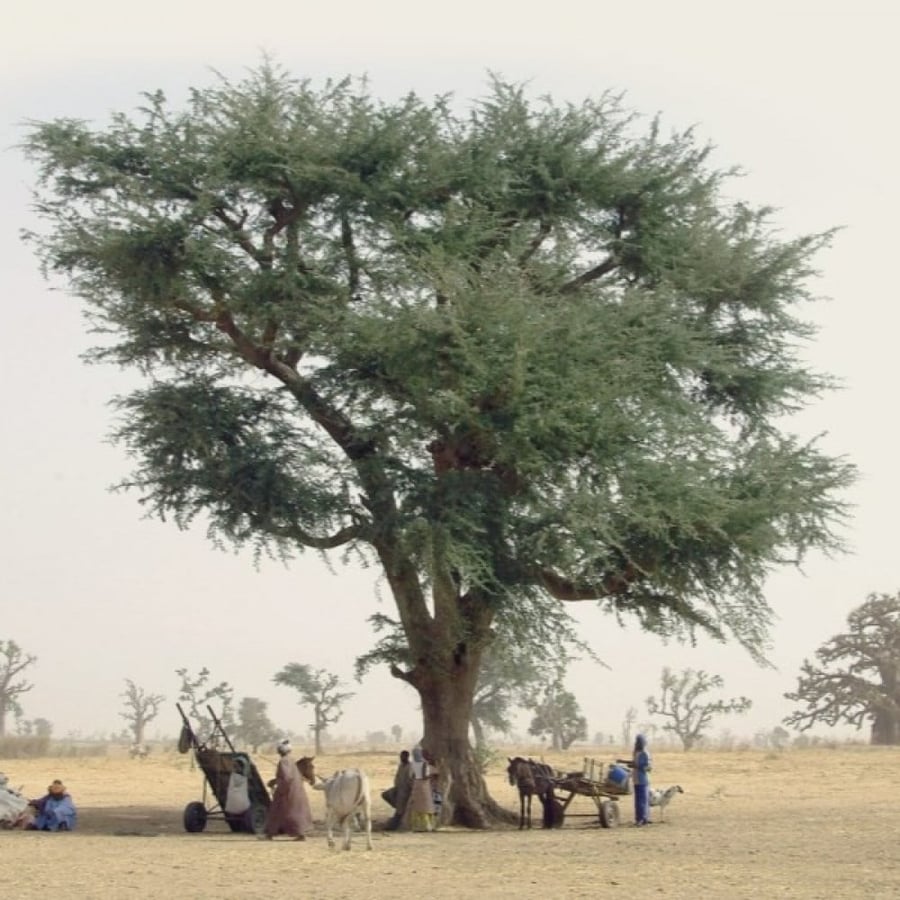
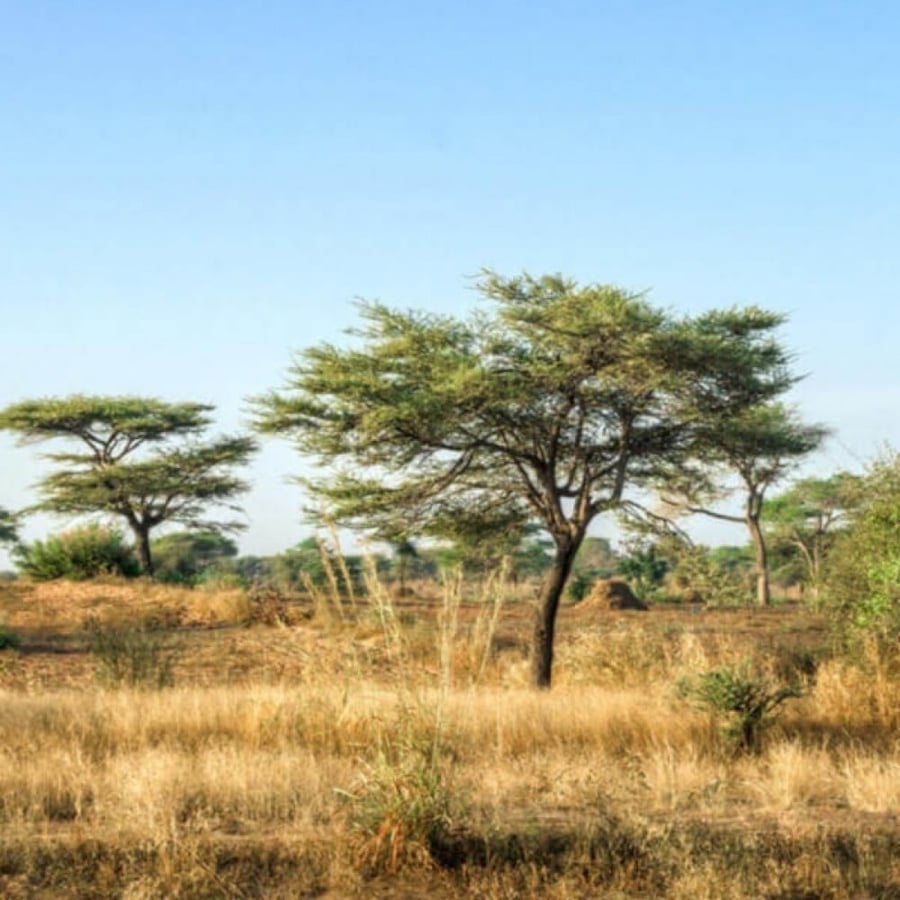
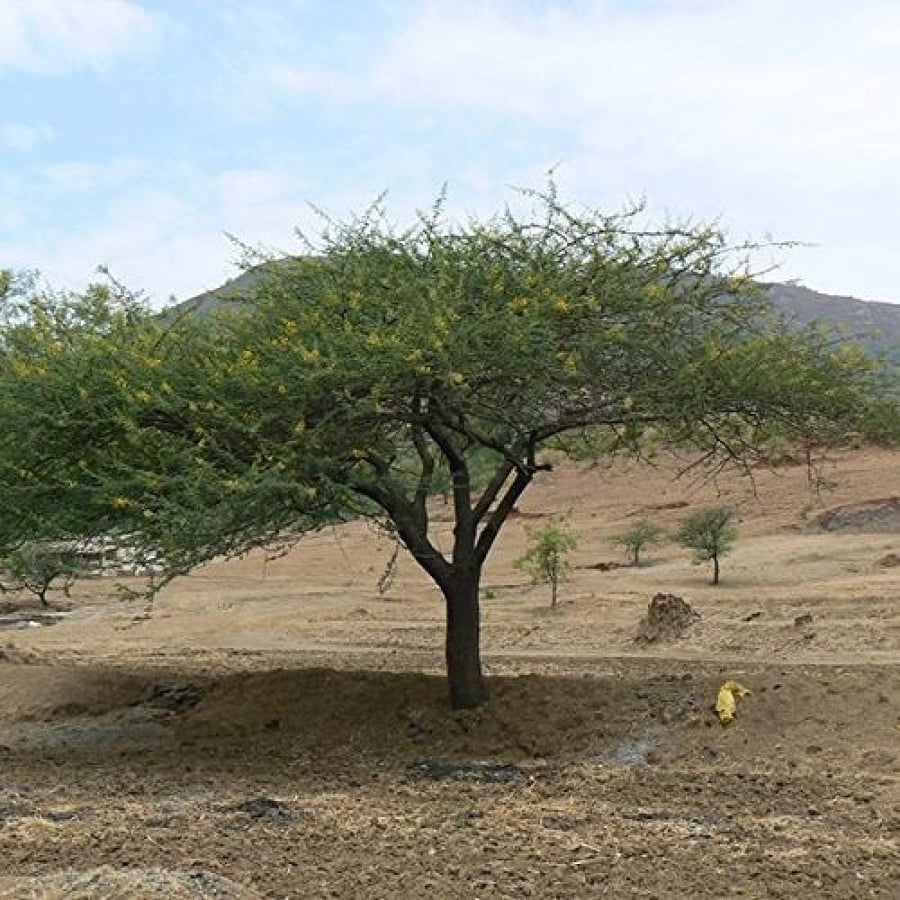
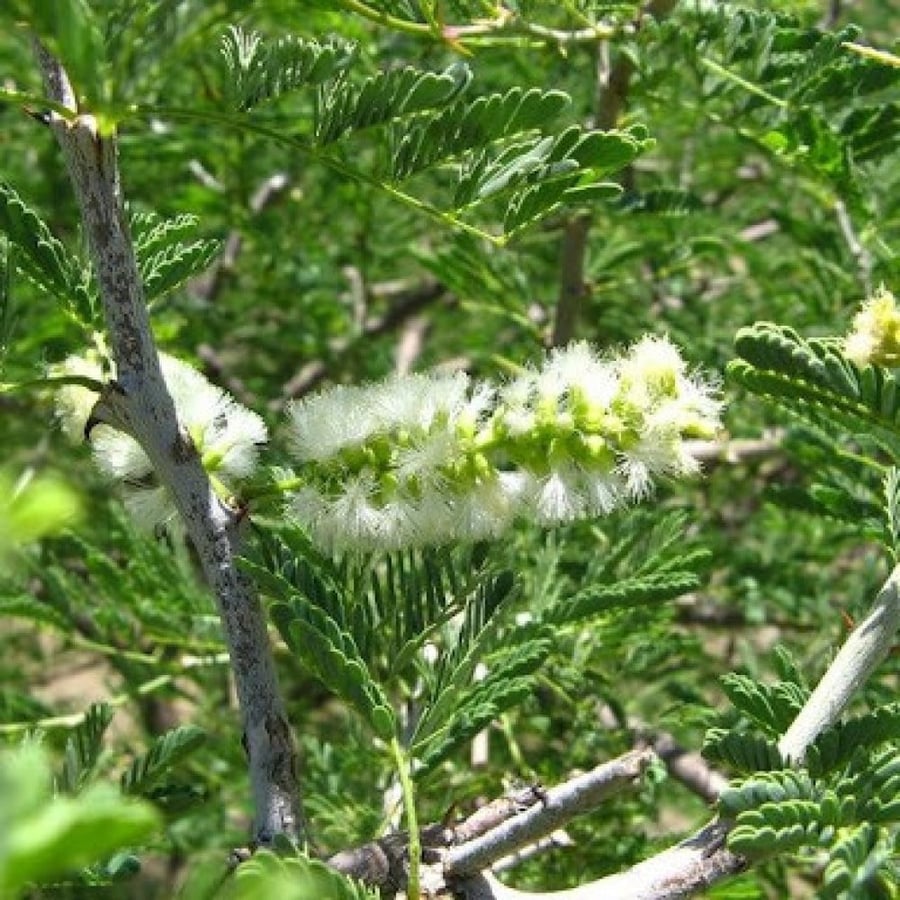
The gum Arabic tree or Acacia Senegal is a gift from the Creator - عز وجل - to desert areas, reaching a height of about 14 meters and a trunk diameter of up to 30 cm. It has deciduous feathery leaves, and is one of the strongest trees in tolerating drought and heat. Gum Arabic is extracted from it, with Sudan holding 80% of its global market. It is a mixture of multiple protein and sugar compounds, and it is the first source discovered for the sugars arabinose and ribose, which were extracted from it and named after it.
What is the shape of the gum Arabic tree's flower?
Its small yellow flowers bloom in spring and early summer.
What is the shape of the fruit and seeds of the gum Arabic tree?
Its fruit is pod-shaped, brown in color, containing round seeds that are also brown.
When is the season for planting the gum Arabic tree?
Spring is the best time for germinating the gum Arabic tree, but it can also be planted year-round in agricultural reserves, enclosed areas, or plastic-covered places where temperature can be controlled or where the plant receives adequate light.
What is the suitable climate and soil for planting the gum Arabic tree?
The gum Arabic tree is characterized by its strength and ability to withstand drought, high temperatures, and strong winds. It can grow in most types of soil and naturally grows in many deserts in Asia and Africa.
What is the method of planting the gum Arabic tree?
It reproduces through seeds that are planted in soil at a depth of 1-2 cm after soaking them in water for 24 hours before planting.
What are the benefits and uses of the gum Arabic tree?
Gum Arabic is added to some foods such as sweets, baked goods, some beverages, and cosmetics. It also has medicinal uses, in addition to producing charcoal from its wood.
What is the original habitat of the gum Arabic tree?
The gum Arabic tree is found across the African desert, and Sudan is the largest exporter globally, accounting for 80%. Saudi Arabia and some West Asian countries have historically cultivated it.

From Buraydah