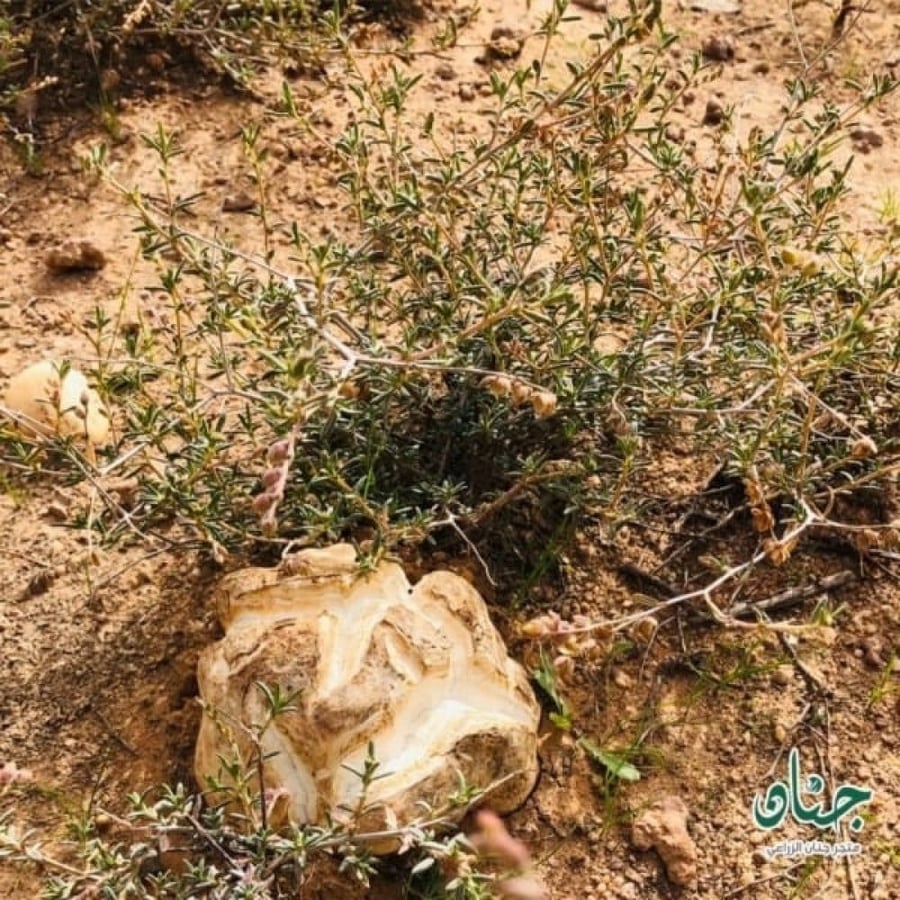

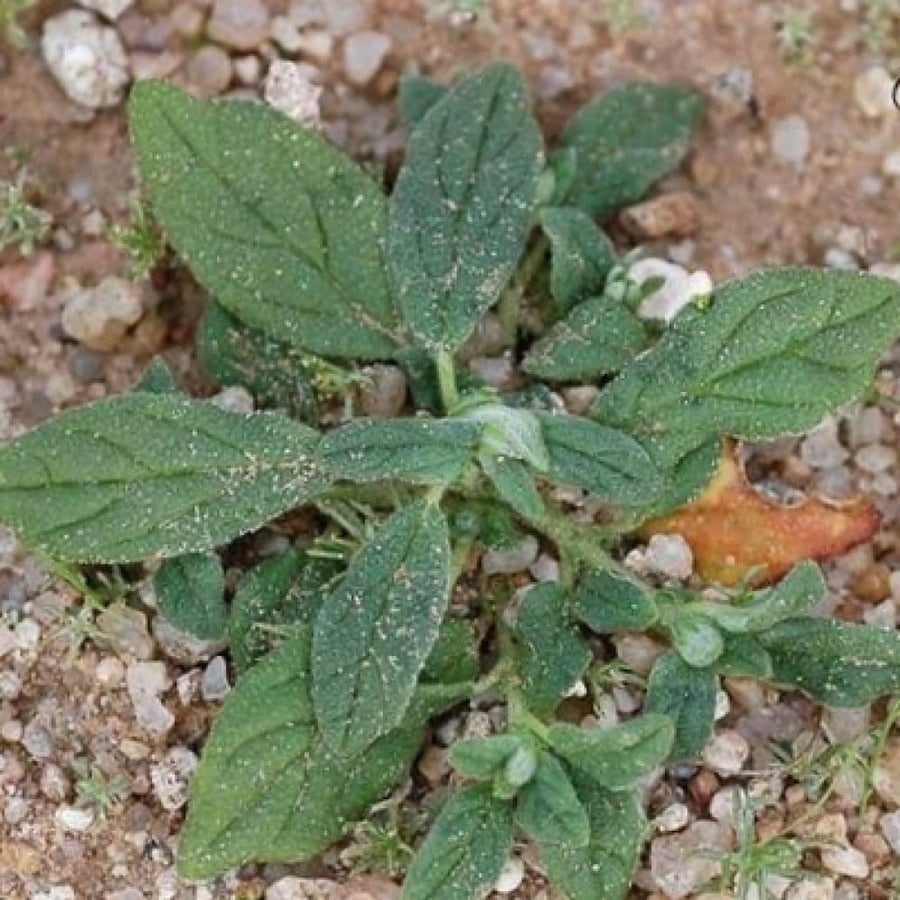


Helianthemum seeds - container for the truffle or desert truffle (Helianthemum)
5ر.س
Product description
Common name: Raqraq - Al-Qusayal
Scientific name: Helianthemum
Other names: Fag grass "Al-Faqa" - Tarfas - Raqraq Al-Dahmi - Sunflower – Al-Hashima
Raqraq is a perennial shrub with upright branches, small rectangular leaves reaching up to 30 centimeters in length. Raqraq is associated with the appearance of Faqa or Faqa fungi, as there is a beneficial relationship; wherever Raqraq is found, Faqa fungi are also present.
• Raqraq flower - Al-Qusayal: Its small flowers are yellow with orange shades, blooming in summer.
• Raqraq seeds - Al-Qusayal: Raqraq seeds are very small and brown in color.
• Germination season: It is planted in the spring season, and can also be cultivated year-round in agricultural reserves, enclosed or plastic-covered places where temperature can be controlled, sunlight reaches the plants, or where adequate lighting is available.
• Suitable climate and soil for cultivating Raqraq - Al-Qusayal: Raqraq needs a temperature of 20 to 28 degrees Celsius. It grows in hard, sandy soil, tolerates frost and drought, and is watered regularly.
• Method of cultivating Raqraq - Al-Qusayal: It is propagated by seeds. Since Raqraq seeds are extremely tiny—about 5,000 seeds per gram—it is best to mix 0.5 grams of seeds with 50 grams of sand to facilitate scattering. It should be watered continuously to prevent the soil from drying out during germination. Raqraq appears in open land with hard soil during winter after rainfalls, where the scattered seeds have fallen to the ground.
• Benefits and uses: It is cultivated to increase Faqa or Faqa fungi, and it is also nutritious feed for livestock, increasing milk production. Additionally, a substance extracted from Raqraq is used in medicine for pain relief.
• Native habitat: It is found in the Kingdom of Saudi Arabia, the Levant, and the Mediterranean Basin.

From Buraydah