
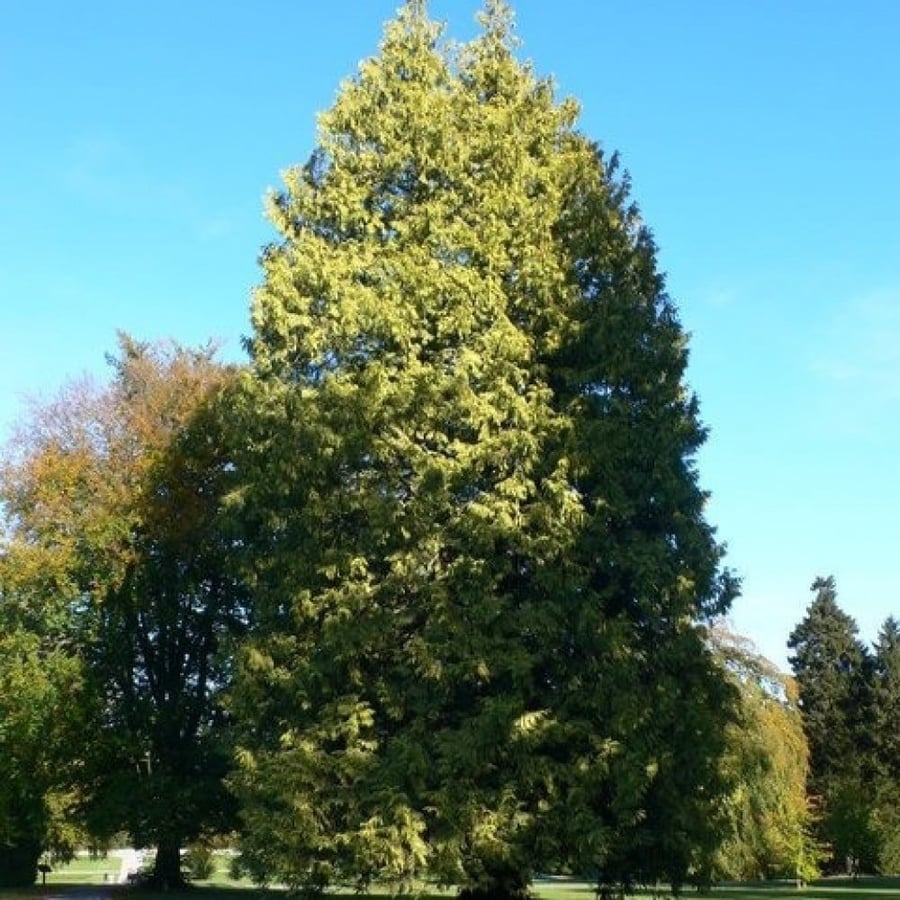
Seeds of the Western Thuja tree
10ر.س
Product description
Common name: Western Thuja tree
Scientific name: Thuja occidentalis
Other names: Western Thuja, Oriental Thuja, American Arborvitae, Tree of Life
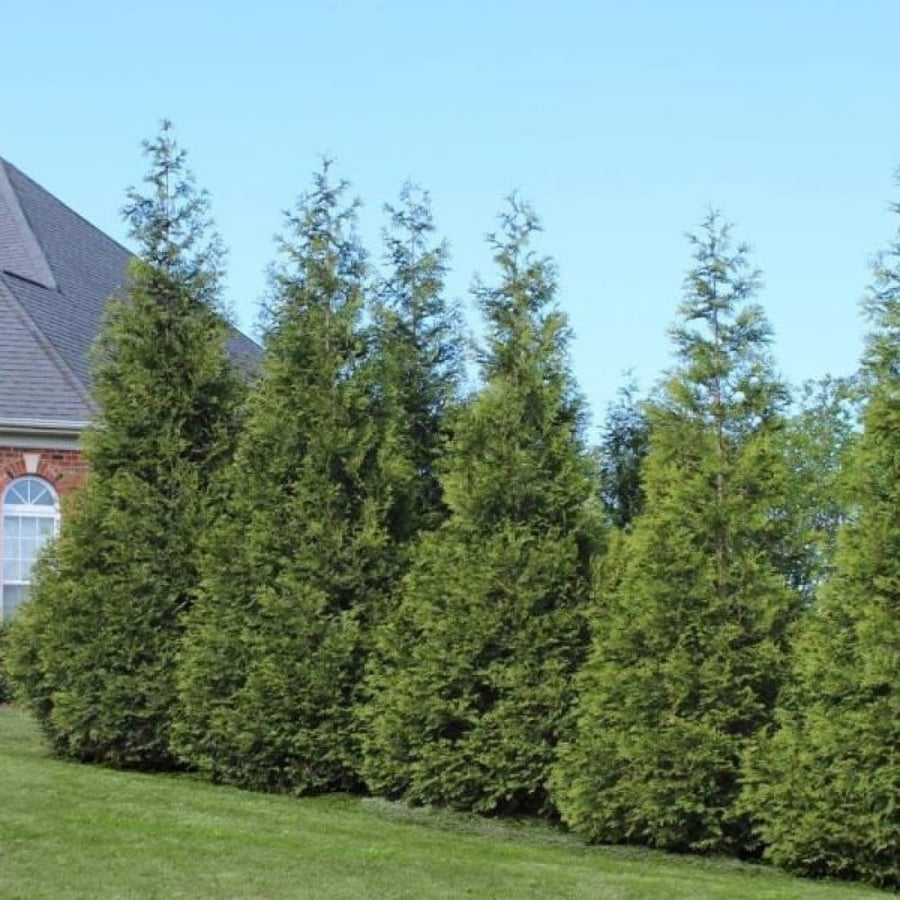
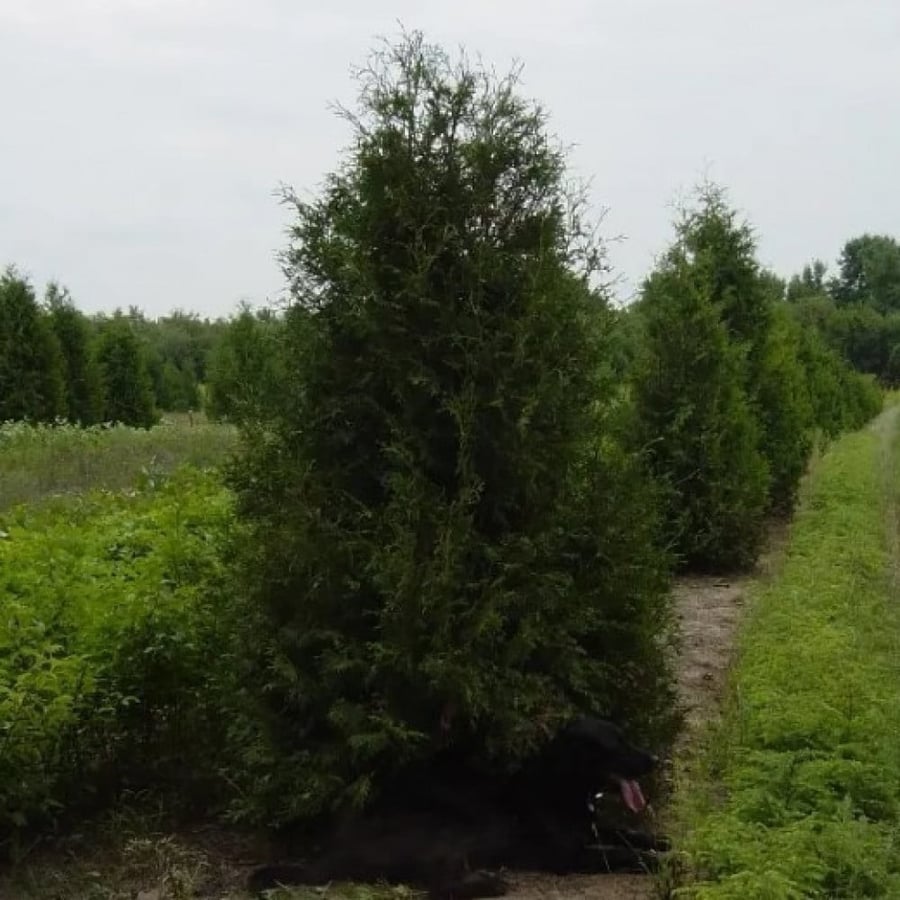
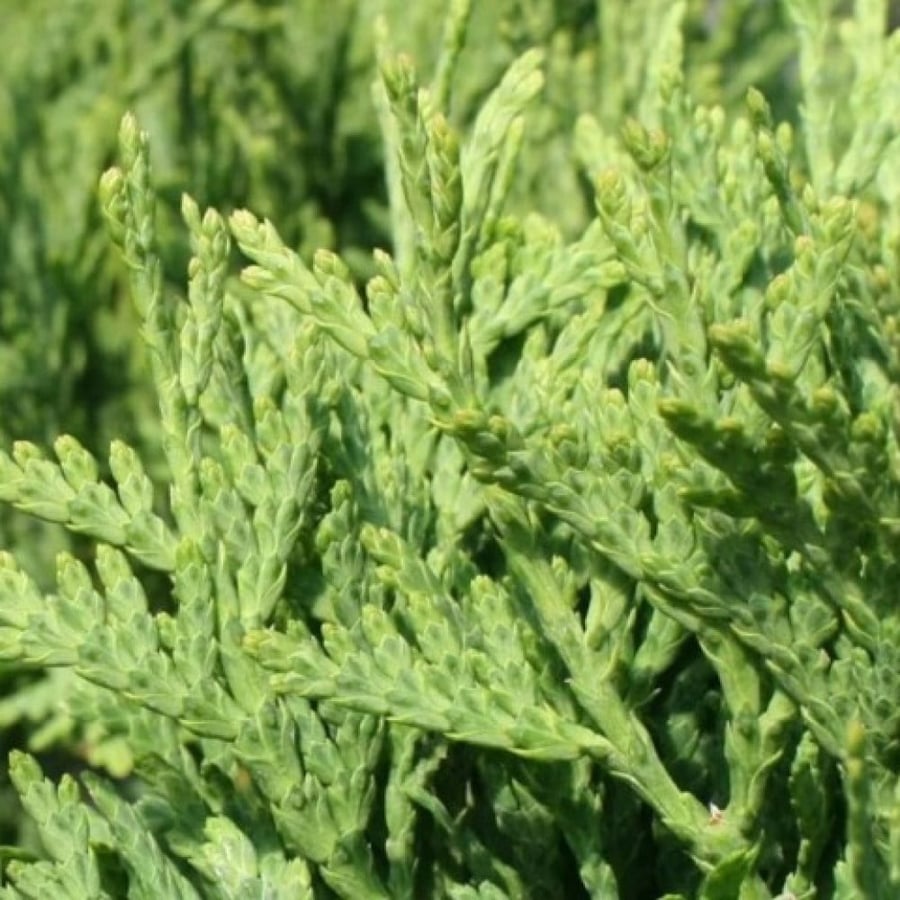
A fragrant, perennial, evergreen coniferous tree that exceeds 15 meters in height, grows in a pyramidal shape, with branches slightly inclined upward. Its leaves turn yellow-brown in winter, characterized by twisted ribbon-like leaves that emit a strong aromatic scent when rubbed, as well as small fragrant flowers that are barely noticeable. It is also cultivated as a hedge and for decoration due to its beautiful pyramidal shape.
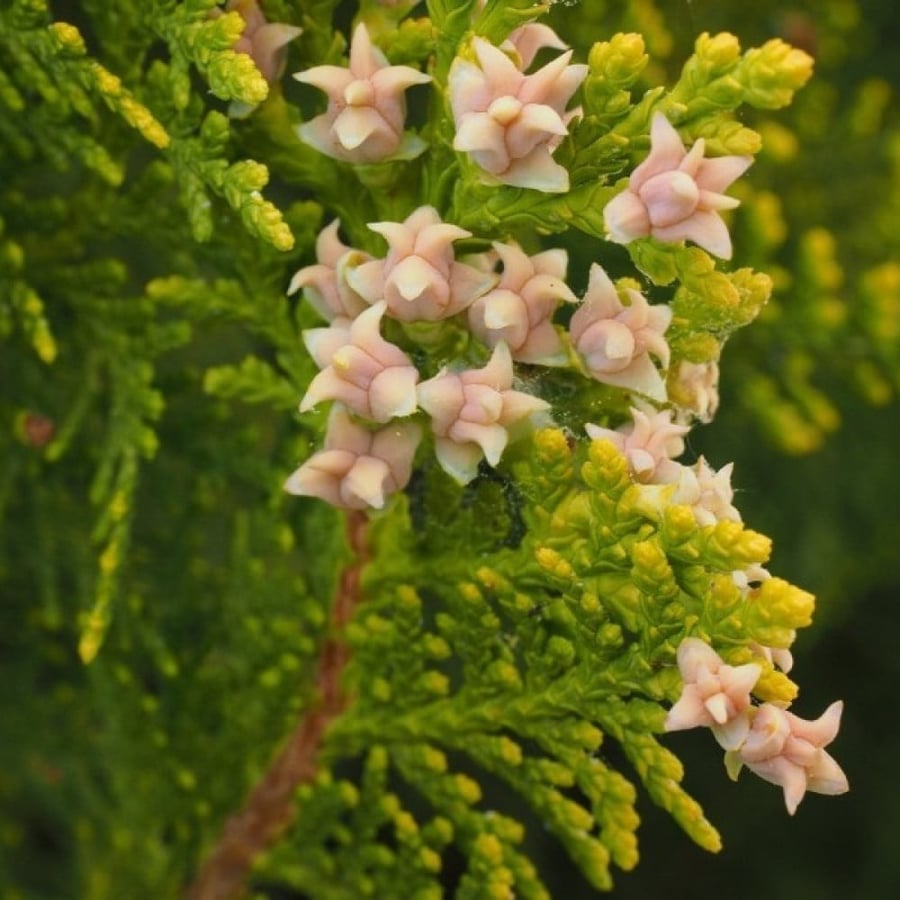
• Flower of the Western Thuja tree: Its flowers are extremely tiny, pink in color, with four petals, forming in clusters during spring.
• Fruit and seeds of the Western Thuja tree: Its small spherical fruits contain flat, oval, light brown seeds inside.
• Propagation season of the Western Thuja tree: It is planted from seeds in autumn, and can also be cultivated year-round in agricultural greenhouses, enclosed spaces, or plastic environments where temperature can be controlled, sunlight reaches, or adequate lighting is available for the plant.
• Suitable climate and soil for the Western Thuja tree: The Western Thuja tree tolerates drought and severe frost but does not withstand high temperatures. It is planted in fertile, well-drained soil.
• Method of cultivating the Western Thuja tree: It reproduces through seeds and is planted at a depth of no more than 1 cm from the soil surface.
• Benefits and uses: It is cultivated for decoration and used as a hedge. Its wood is considered one of the finest types, being lightweight, durable, and smooth. It is also aromatic, highly resistant to decay, and was historically used to make boats. Currently, it is used in beekeeping and musical instrument manufacturing.
• Native habitat of the Western Thuja tree: Eastern North America, from where it spread to Europe and various regions around the world.

From Buraydah