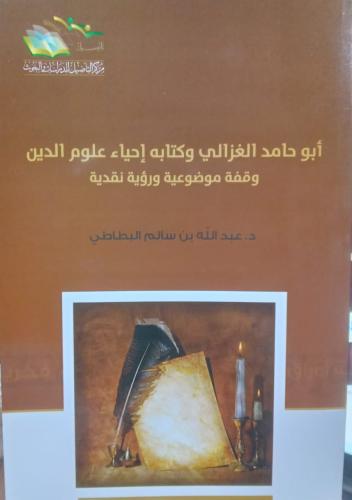
The approaches of rhetorical analysis among scholars of the miraculous from Al-Rummani (386 AH) to Abdul Qahir Al-Jurjani (471 AH). T? Author: Abdullah bin Naqeeb
45ر.س
Product description
The importance of the book
1. An in-depth study of the methodologies of leading scholars of miracle and eloquence
• The book presents, through study and analysis, the approaches of three prominent figures in rhetorical miracle:
• Al-Rammani (d. 386 AH)
• Al-Baqillani (d. 403 AH)
• Abdul Qahir Al-Jurjani (d. 471 AH)
• These scholars formed the nucleus of what is known as rhetorical analysis of Qur'anic miracle, each with a distinctive methodological perspective.
2. Analysis of the development of the rhetorical theory of miracle
• Reveals how concepts such as:
• Eloquent speech and rhetoric
• Systematic arrangement
• Miraculous composition
• Evolved from reliance on linguistic details to a comprehensive integrative view of the text.
3. Combining rhetoric and literary criticism
• The book highlights the intersection of Qur'anic rhetoric with literary criticism in Arab Islamic culture.
• Clarifies that analyzing the Qur'anic miracle is not merely a linguistic matter but a comprehensive literary theory related to influence, beauty, and meaning.
4. Connecting rhetoric with interpretive readings
• The book helps understand how rhetorical thinking influenced:
• Interpretive methodologies
• Theological perspectives
• Defending the Qur'an against opponents' doubts.
5. An important academic reference for postgraduate students
• As a doctoral thesis, it features a precise scientific methodology, comprehensive documentation, and deep analysis of scholars' ideas.
• It serves as a reference for students in:
• Rhetoric and criticism
• Qur'anic sciences
• Islamic and linguistic studies.
Who is this book suitable for?
• Researchers in Qur'anic rhetoric and miracle sciences.
• Specialists in classical literary criticism.
• Postgraduate students in Arabic language and Qur'anic studies.
• Those interested in understanding the methodology of classical rhetoric and its transformations.

From Mecca
Questions you might have