Product description
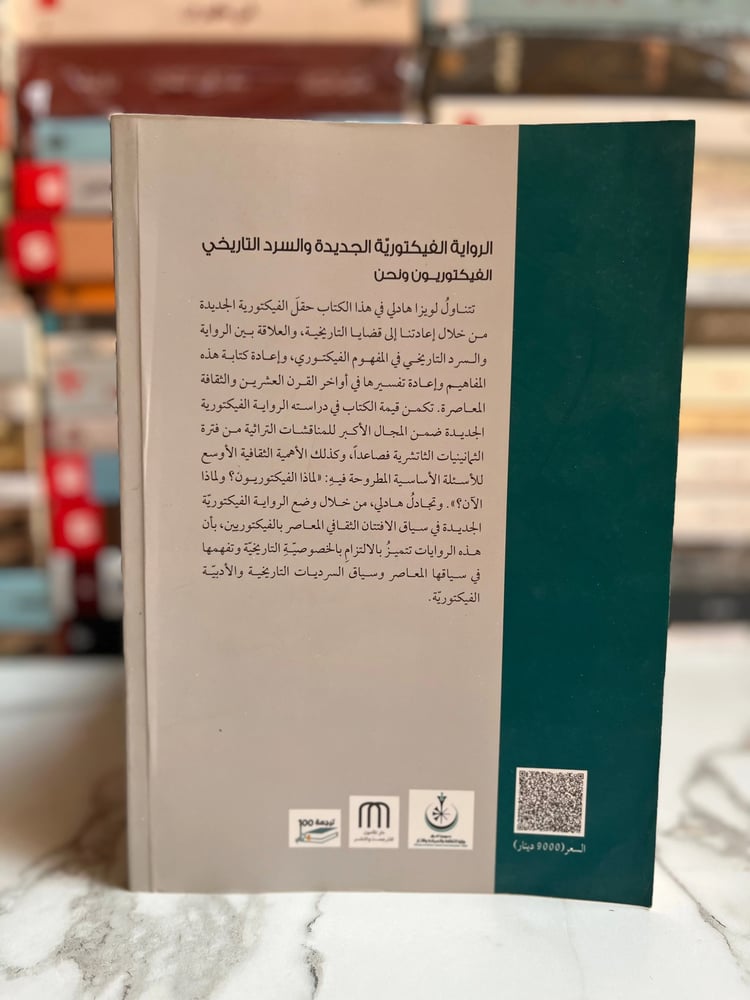
Mitchell claims in the book that the return to the Victorian past at the end of the twentieth century and the beginning of the third millennium is far more than just a (nineteenth-century game of dressing up for purely consumerist purposes), as new Victorian fiction engages critically with the past by shifting the focus from a problematization of postmodernism for any and all historical knowledge, to the importance of continuing to pursue such knowledge (even if contested) through new means to facilitate the discovery of knowledge. While these novels present a clear awareness of the issues involved in seeking and achieving historical knowledge, they remain committed to the possibility and value of pursuing that knowledge. What most concerns these novels are the ways in which the novel can claim to know the past, partly and temporarily, rather than the ways in which it claims that such knowledge is impossible. This point marks a departure from many contemporary historical novel theses, which, following Linda Hutcheon’s influential postmodern historiographic model, focus on issues such as how these novels problematize the representation of the past and highlight the difficulties of achieving historical knowledge. Thus, this study aims to outline a broader framework than postmodern historiography itself, also addressing some aspects of the new Victorian that contributed to reinforcing, expanding, and transforming this subgenre. The new Victorian novel is approached as a subgenre of historical fiction, linking contemporary fiction with traditional historical fiction, the genre opposed by Linda Hutcheon in Postmodernism and the Historiographical Turn. Therefore, Mitchell summarizes her critical view of the new Victorian novels by stating in the first chapter that these novels should be read as "texts of memory," in the sense that they effectively shape acts of cultural memory rather than being merely novels or competing alternatives to postmodern narrative forms. What is at stake, then, is not the accuracy or inaccuracy of representing the nineteenth century, but the ways, purposes, and intentions with which the period is remembered by writers, readers, and even the characters within the novels themselves.

From Riyadh