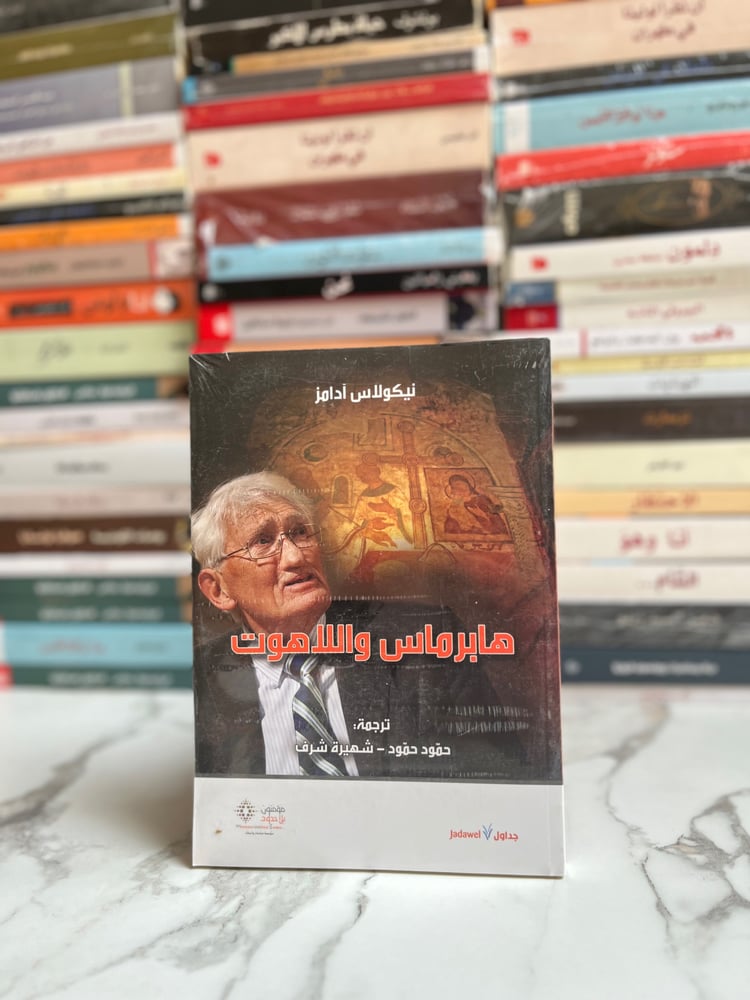

Habermas and theology
50ر.س
Product description
This study is not a defense of Habermas nor even a critique of him. There are voices in the theological field praising Habermas's ethics of discourse, or attempting to place his theory of communicative action as a basis for theology, but these are simply a minority, and they do not present themselves as convincing outside the narrow circle. At the same time, criticisms come from many different perspectives that create difficult obstacles for Habermas's project. This study takes Habermas's views on the public sphere and the need for genuine discussion (not just competing voices) across traditions seriously, and attempts (this study) to evaluate his theory in the areas where it clearly failed. The major problem for philosophers and theologians who wish to engage with Habermas's views on religion is that they are immersed in complex debates that often focus primarily on issues other than religious life and religious thought. Therefore, the main task here in this study is to reconstruct what he says about theology and religion, and to place it within the context of his broader views on social development and the nature of reason. At the same time, Habermas did not demonstrate knowledge of post-liberal theology, nor did he attempt to show that his approach failed only to do justice to contemporary theology, but also that some of its particular issues could be more fruitfully used when studied, namely his own issues, in the post-liberal theological context. Post-liberal theology constitutes a relatively new phenomenon, with its own gaps. The most important aspect of this (from the perspective of this study) is its uncertainty regarding how he envisions the pluralistic public space, while it is based on reason and study concerning the particularities of traditions and their models of worship.

From Riyadh