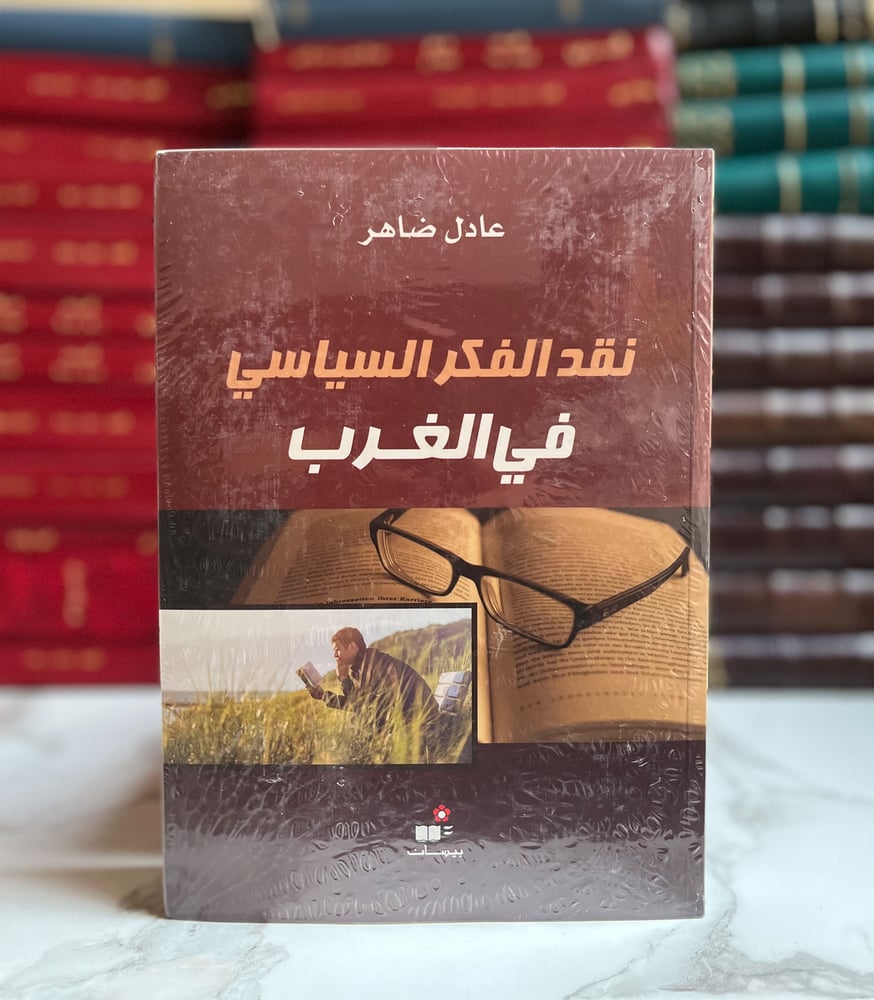
Critique of political thought in the West
45ر.س
Out of Stock
Product description
The author continues in this work his critique of Western philosophy, which he began with ethics and reason, and followed with philosophy and religious issues. The critical analysis in this work focuses on the most important issues raised by some of the great Western philosophers in the field of political thought, such as the issue of the moral foundation of political obligation, the limits of political authority, and its connection to democracy, the issue of freedom and individual rights, the issue of justice and equality, the issue of the relationship between the individual and society, and the issue of secularism and its implications regarding the role of religion in the public sphere. Liberal thought occupies the largest share of this critical analysis, as it is the dominant thought in the West, without neglecting critics of liberal thought from Marxist-oriented thinkers and social-critics. The author benefits from the critique of the latter two of liberalism, with reservations about some aspects of this critique, to adopt a stance that preserves the most important contributions of liberal thought regarding reducing the scope of political authority and the most important contributions of its critics regarding expanding the scope of equality. What emerges from developing this stance is that the alleged tension between freedom and equality is based on the narrow liberal understanding of freedom, which benefits from its negative connotation. The author develops a positive conception of freedom, which states that a free person is one who possesses the necessary abilities to achieve his preferred goals by preferred means, away from interference by others. The consequence of this conception is that political power and economic power must both be subjected to social power, for only then does freedom become synonymous with equality.

From Riyadh
Questions you might have