
Product description
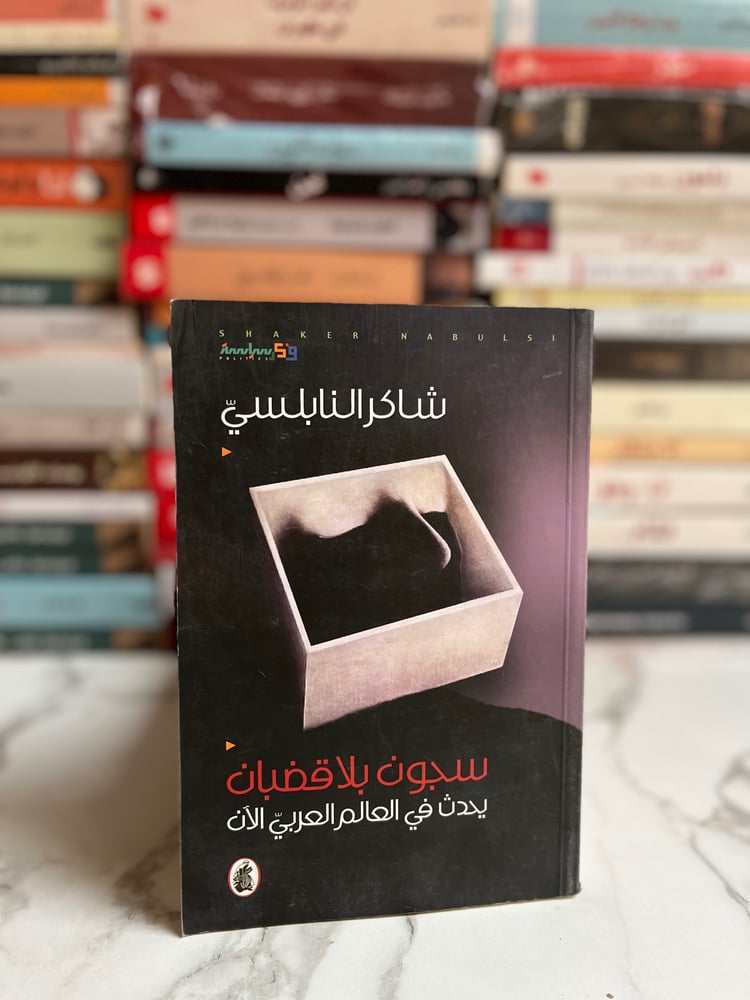
The introduction The Arab world has lived for more than twelve centuries; that is, since the beginning of the Umayyad era until now, in a large prison without bars. The lack of a significant margin of freedom, and the disappearance of democracy and political and intellectual pluralism, have turned the Arab world since ancient times into a large prison, but without bars. The situation is as it was in the past, and perhaps worse, and today the Arab's condition has not changed much from what it was before. We see that the political and cultural hardships that befell the Arab world centuries ago and over many centuries are the same hardships that afflict us today, with differences in circumstances and names. As for their causes and repercussions, they are the same, as if the Arab world has isolated itself from all the events of this era, living inside a shell of coincidences, from which it does not emerge, nor does it see the world around it. This shell has turned it into an occupied people, almost the only occupied people in the twenty-first century. And this shell has turned it into an illiterate people who do not read, and if they read, they do not understand. The Arab Organization for Culture, Science, and Education (ALECSO) announced its report for the year 2002, which showed that there are more than seventy million illiterates in the Arab world, which is twice the number of illiterates worldwide, and that the illiteracy rate in some large countries like Egypt, for example, exceeds sixty percent. Egypt has not been able to reduce this percentage over the past years, while a small and poor country with a population of no more than four million in Latin America, such as Costa Rica, has an illiteracy rate of no more than three percent.

From Riyadh