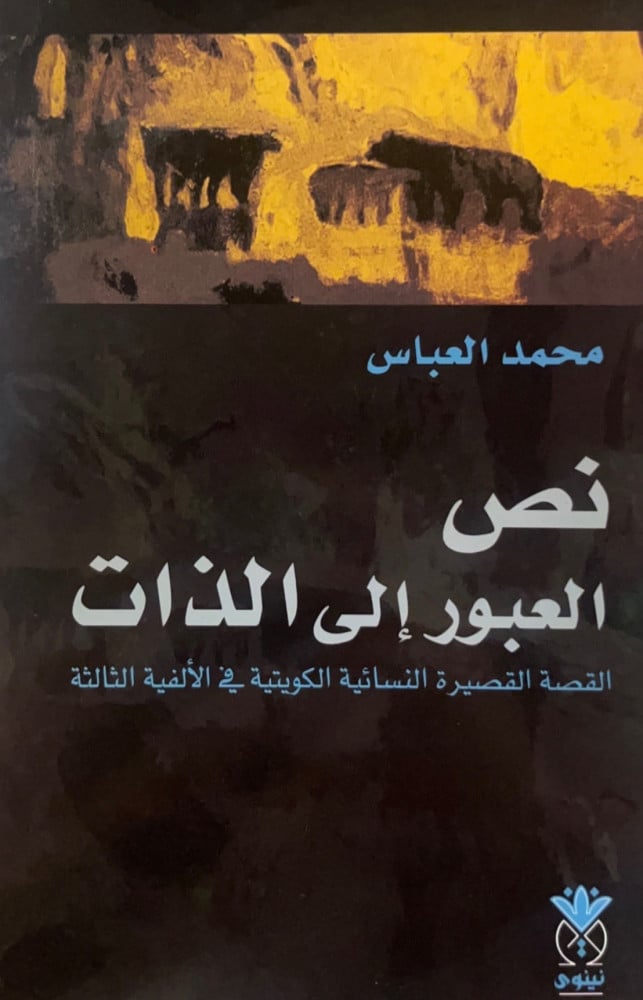
Half of the passage to the self
20ر.س
Out of Stock
Product description
The suffocating spaces infected with male authority, but their escape from the (dollhouse), as most stories reveal, does not seem to be towards (freedom/life) as (Noura), the heroine of (Henrik Ibsen), did after the famous door deal. Rather, it is towards the grave, towards isolation, towards silence. That is, towards a absence that does not equate in its metaphorical power the strength of real presence. Where self-infanticide, or moral death, is expressed through the inevitability of wandering and disappointments, and where the determined heroine, aware of the storyteller, does not know where she is heading, because she has no conception outside her collision routines with the man. Accordingly, she re-produces the troubled, consumed identity through the myth of the feminine self about herself, dictated by the culture and authority of (the Other / the man) as an eternal refuge. It is a miserable life fate that reinforces the idea of the fragility of the feminine identity in the artistic perspective, as an equivalent to the idea of the decline of independent feminine identity, where it keeps the woman alive and within the text between the promises of the inevitable verbal oaths of the man, and his fulfilled threat on the ground through repression. That is, in a state of futile struggle in which the storyteller does not consider the degree of differentiation in the structure of the story between the level of the story as history and its level as a statement of its thematic and aesthetic implications. Instead, she excels in burdening the work with more evidence of marginalization, injustice, and sufferings that drain the expressive and imaginative energy of the text, expanding the lexicon of stories of oppression. Number of pages: 160

From Al Qatif
Questions you might have