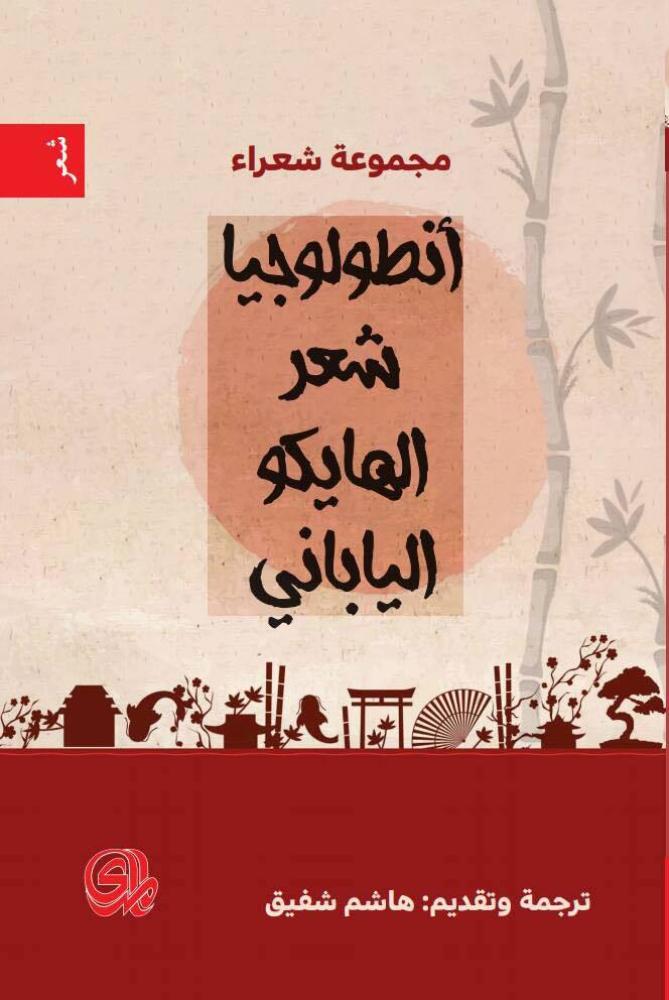
Ontology of Japanese haiku poetry
23ر.س
Out of Stock
Product description
Due to its proximity to the language of silence, and its creation of another language, which involves suggestion, indication, and condensed symbolism, Japanese haiku poetry has become closer to the pulse of humanity and the spirit of the age... This fast-paced age, with all its noise, which now covers the realms of imagination and vision, and devastates contemplation, tranquility, and romantic outlook, and devours time for humanity, has made humans themselves a rigid mental tool, receiving the flood of consumption that is unmatched, a flood that wastes human time, beauty, and insight in a mill that constantly produces more techniques and innovations, and all that modern humans can do is be amazed and accept this creation. From here, Japanese haiku poetry, whether revived or written in Japan, and presented in Europe and the Arab world, in the form of flashes, hints, concise insights, and shining fragments, visionary, forms a psychological equivalent to our era—this era that seems loud with mechanical clarity and the power of technological eloquence. From here, Japanese haiku poems have become standalone poetic texts, containing expressive images, images governed by the logic of wisdom, ideas, and old perceptions about the relationship of the historical eye observing humans with the transformations of plants, animals, and times.

From Al Qatif