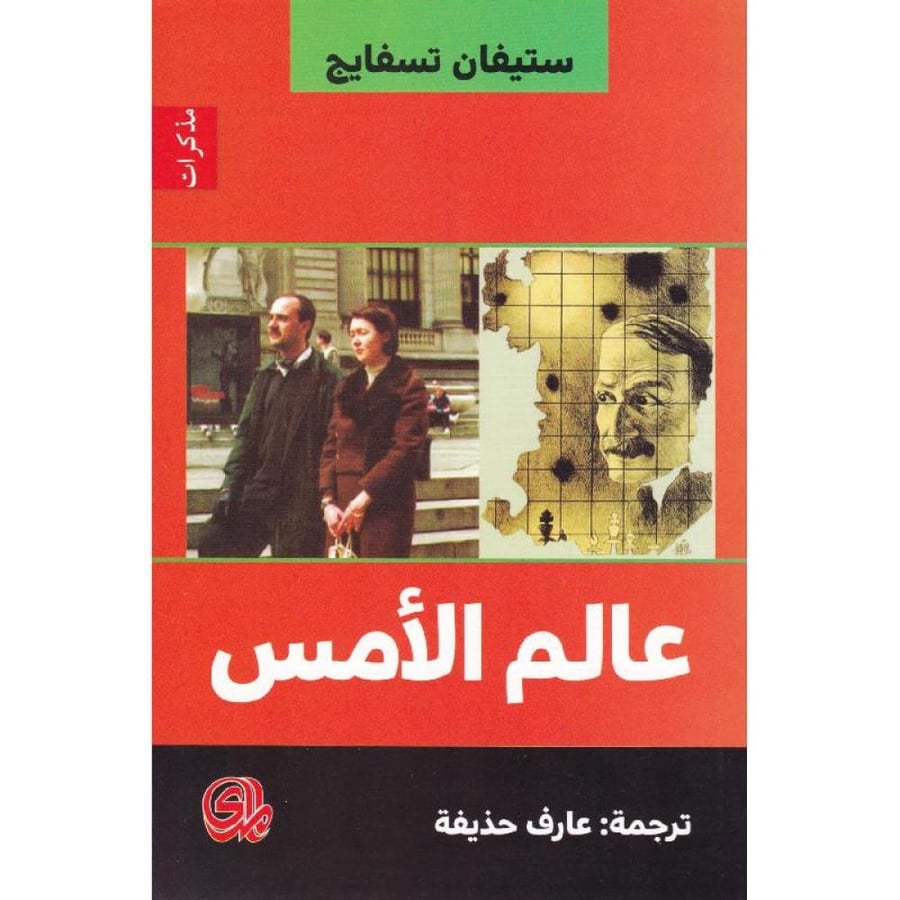
World of yesterday
34ر.س
Out of Stock
Product description
Kais Tsvayg was a poet, philosopher, historian, and novelist. He formed friendships with prominent contemporaries, including Freud and Dali. Here, he documents his era in lively, intelligent, and frank memoirs, as if they were his most important novels. The Austrian writer Stefan Tsvayg, born in Vienna in 1881, did not enjoy a stable and secure life. Although his early childhood and adolescence seemed prosperous and peaceful, they soon revealed their sharp teeth to a boy exploring the first steps in the world of writing, creativity, and art. The last years of the 19th century and the beginning of the 20th century saw stability in Europe. But the pace of crises began with the outbreak of World War I (1914–1918), heralding a period of deadly conflicts in this peaceful continent. The rise of Nazism in Germany, fascism in Italy, and the outbreak of the Spanish Civil War marked this era. By the end of the 1930s, cultural emptiness and economic collapse prevailed, culminating in the outbreak of the Second World War (1939–1945), which Tsvayg did not see the end of, as he committed suicide in the Brazilian city of Petropolis on February 23, 1942. This suicide was an expression of protest against the madness that afflicted Europe, igniting devastating wars that claimed millions of lives. The writer found no alternative but to leave after exhausting his energies in "long years of wandering." However, he wished for his friends a better life, writing in a brief message before his suicide: "May they be able to see dawn after this long night! And here I am, ahead of them, completely out of patience." This dramatic life, divided between exile and bitter paradoxes, is the focus of Tsvayg’s memoirs "The World of Yesterday," recently translated into Arabic and published by Dar Al-Mada in Damascus, signed by Aref Hadifa.

From Al Qatif