


Portulaca oleracea seeds
6ر.س
Product description
Common name: Purslane
Scientific name: Portulaca oleracea
Also called: Baqla - Hamaqa
Description:
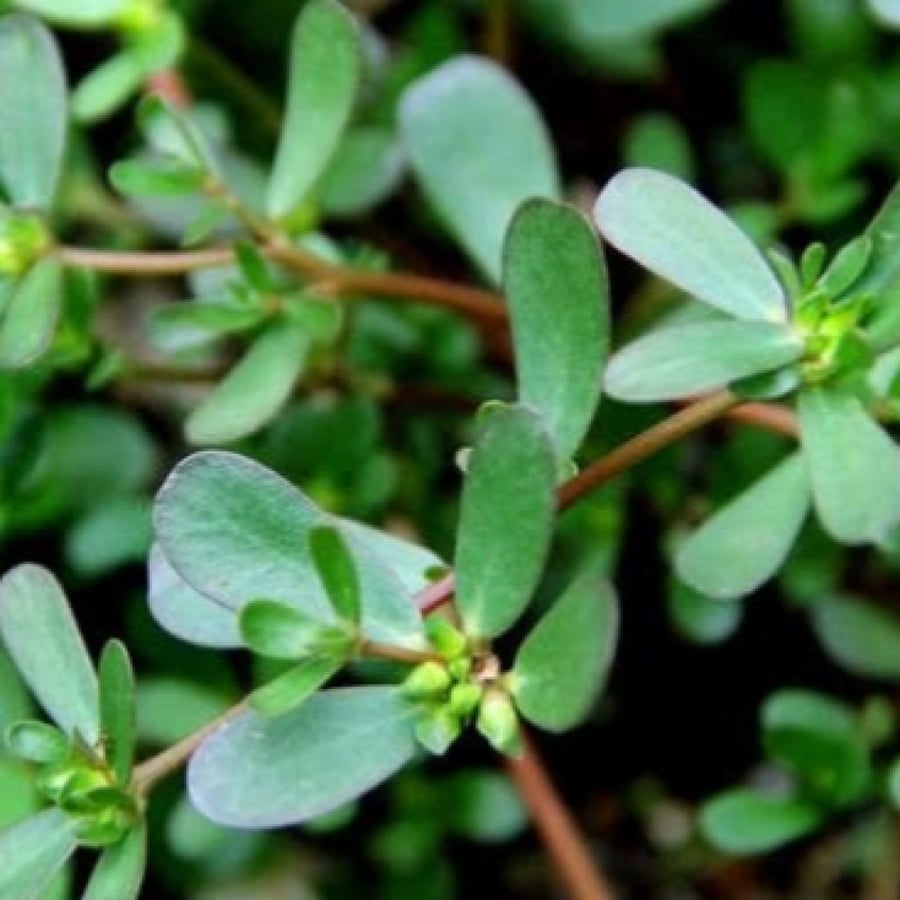
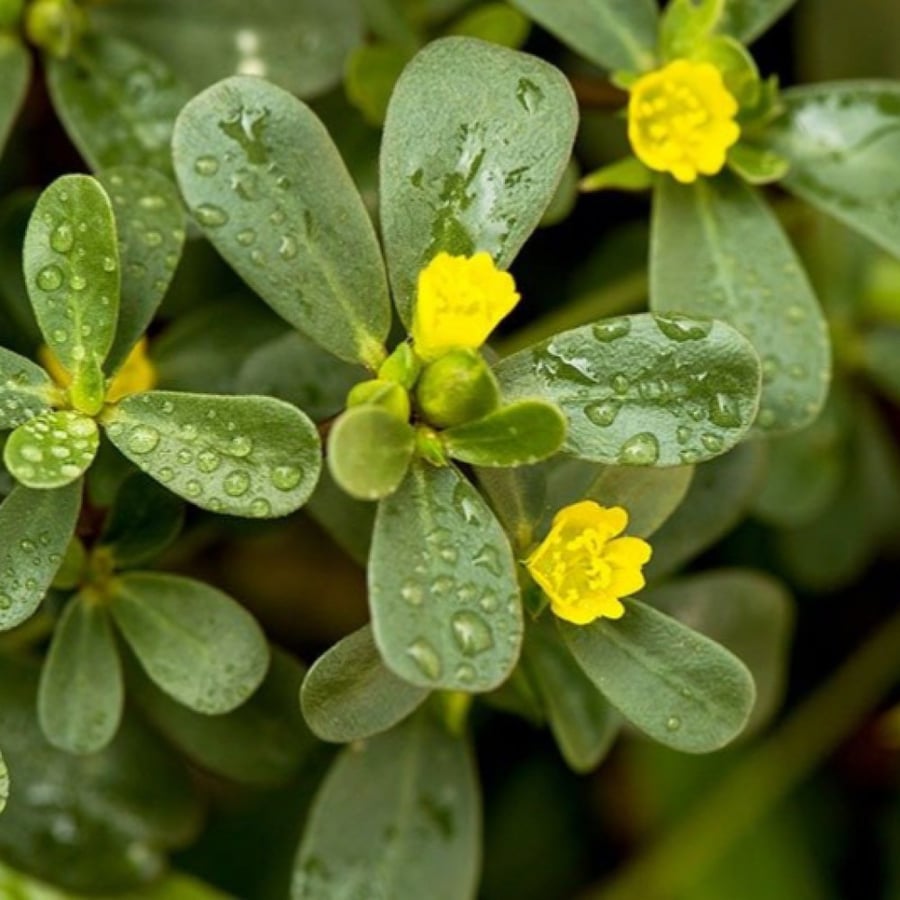
• Annual succulent plant belonging to the Portulaca genus of the Portulacaceae family, some are upright and some are spreading, reaching about 30 cm in height, with smooth stems and branches that are green to reddish in color, soft and succulent. Its leaves are ovate, rounded at the tip, and inverted. This plant creeps with its stems and leaves on the ground, resembling a palm of the hand.
Uses and benefits:
• Used on dining tables after cooking.
For a long time, purslane was considered a medicinal plant because it contains a high percentage of beta-carotene more than spinach, in addition to high levels of magnesium, potassium, vitamin A, and vitamin G. It was used to treat headaches, bladder issues, to heal wounds, expel worms, treat cold strikes, and injuries with gunpowder powder. Historically, it has been used as a treatment for rheumatism.
Flowers:
• Has small flowers not exceeding 5 mm, yellow in color, sessile without stalks, open in the morning and close at noon. The flower has two sepals and five yellow-tipped petals, with a large number of stamens.
Pollination is generally self-pollination, and flowers bloom from February to September.
Original habitat:
• Its origin is India and Iran, from where it spread to Europe, America, and most countries of the world.
Suitable climatic conditions and soil for cultivation:
• Tolerates heat during the summer, as well as soil and water salinity, thus succeeding in all agricultural lands.
Method and timing of planting:
• Can be cultivated year-round except during the cold months (December / January / February). It is propagated directly by seed in the ground, requiring 2 to 3 grams of seeds per square meter.
Plants bloom during July and August, with seeds maturing in September, allowing for replanting the next crop. Harvesting occurs after one and a half to two months from sowing. Plants are cut or harvested without removing them completely from the ground, leaving them to grow again multiple times.

From Buraydah