
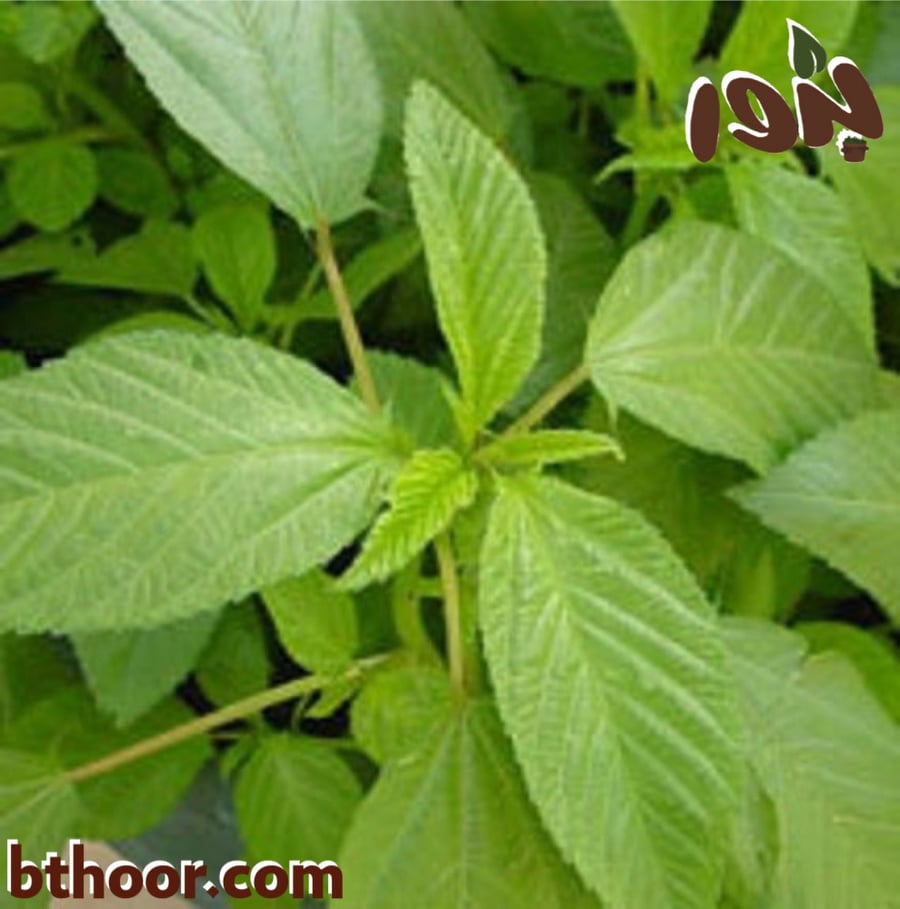
Mallow seeds - plural (Corchorus olitorius)
17ر.س
Product description
Common name: Malukhiyah plant. Scientific name: Corchorus olitorius. Also called: Malukiya. Description: • It is a genus of flowering plants that includes 40 to 100 species. Uses and benefits: • Its stems vary in length and are cultivated for their leaves, which are used to prepare the Malukhiyah dish. Flower: • It has small yellow flowers that produce a number of seeds. Native habitat: • It is believed that southern China is the original habitat of Malukhiyah. Suitable climatic conditions and soil for cultivation: • It is preferable to cultivate Malukhiyah in warm, humid weather, with daytime temperatures between 25-35 degrees Celsius and at night between 20-25 degrees Celsius. It should also be avoided in very cold weather, as it cannot tolerate the cold. Soil selection: Malukhiyah prefers fertile, well-drained soil. Method of cultivation: • Site selection: Malukhiyah seeds should be planted in a location exposed to sunlight, with enough space to plant the seeds at spaced intervals to allow the Malukhiyah plant to grow freely. • Timing selection: Seeds can be sown in spring after ensuring there is no risk of frost. If planting indoors, it can be started six months before the last frost date. • Watering the plant: Malukhiyah needs abundant water during its growth, so it should be watered regularly. • Harvest time: The leaves can be harvested when the plant reaches about two feet (61 centimeters) tall. Harvesting involves cutting approximately 6 inches (15 centimeters) from the top of the plant, where the leaves are tender and soft. Since the harvested leaves will be quickly replaced, the Malukhiyah plant can be harvested multiple times during the summer. It is also possible to uproot the small plant while it is still young and tender, and plant new seeds in its place.

From Buraydah