Cakile arabica
7ر.س
Out of Stock
Product description
Common name: Saliḥ - Asliḥal
Scientific name: Cakile arabica
Also called: Saliḥ
Original habitat of the Saliḥ plant:
The Saliḥ plant mainly grows in the Middle East and North Africa.
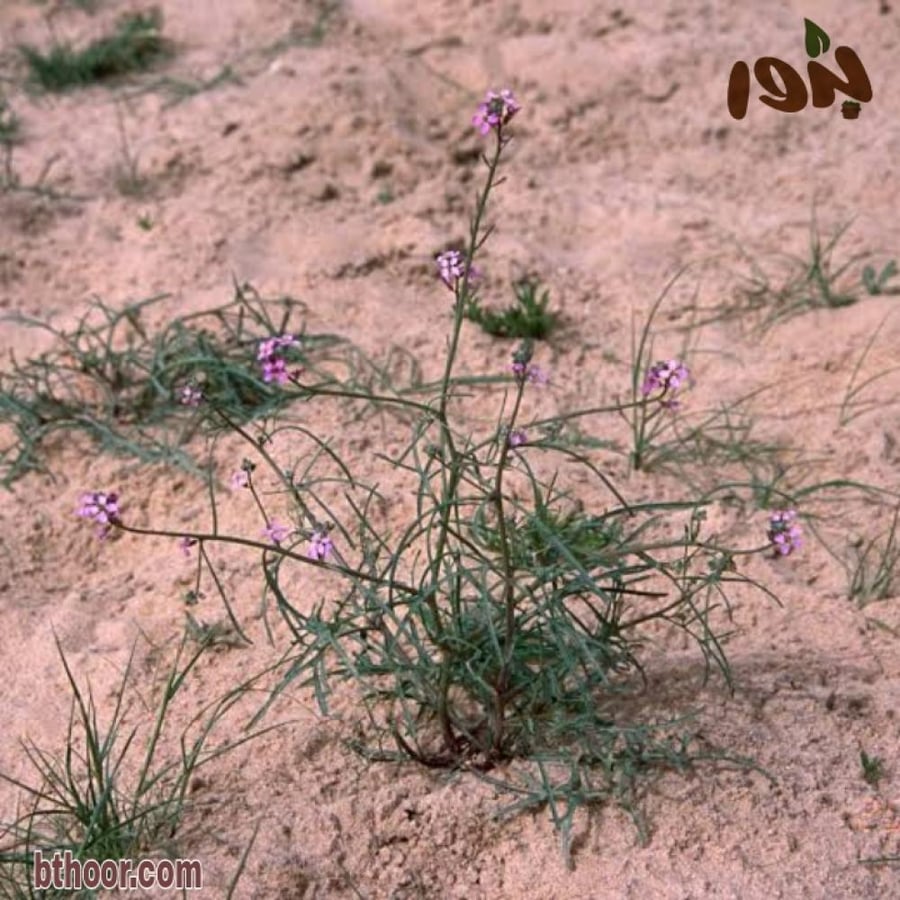
This plant thrives in coastal and desert environments, naturally found in sandy and saline areas.
Description of the Saliḥ plant:
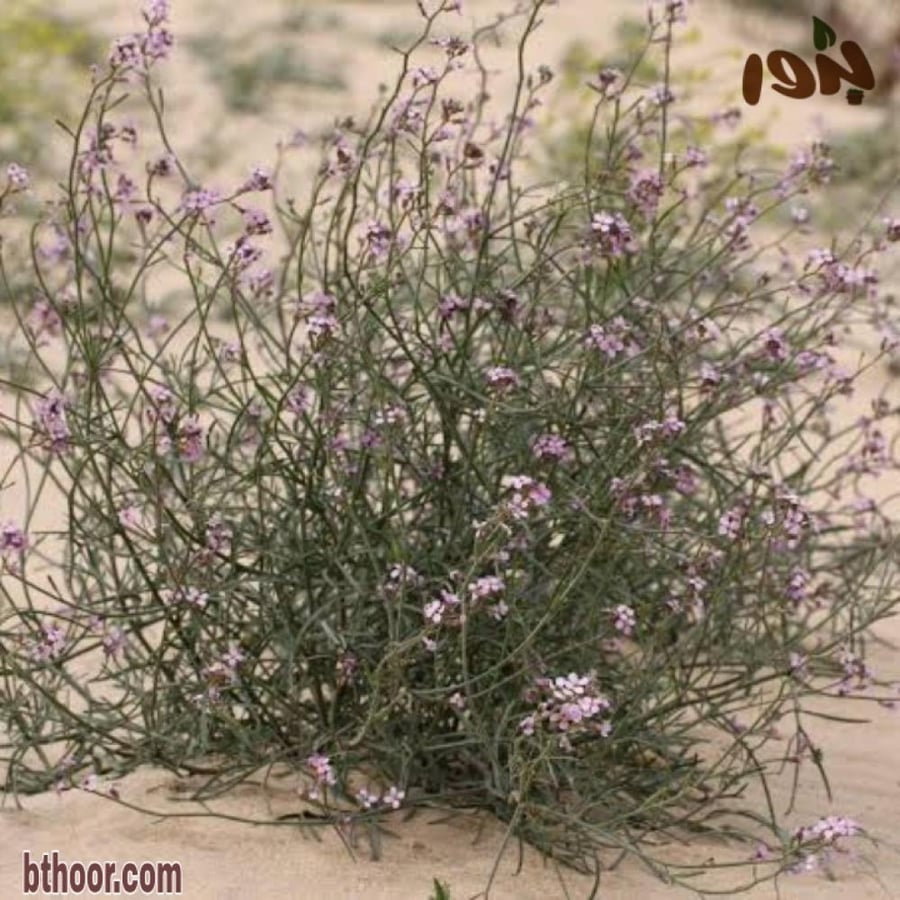
The Saliḥ plant is an annual plant that can reach a height of about 20-50 cm.
It features thick, serrated green leaves, and upright fleshy stems.
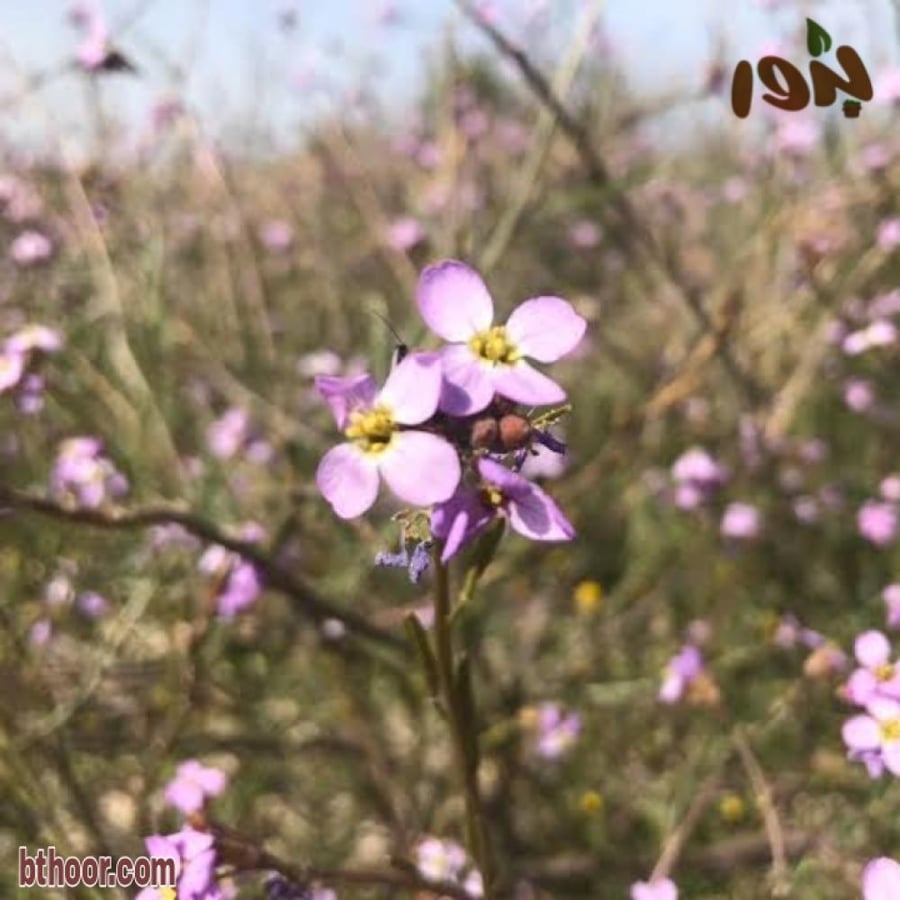
The flowers are small, ranging in color from white to light purple.
Description of the Saliḥ flower:
Saliḥ flowers are small and beautiful, with colors ranging from white to light purple.
The flowers grow in clusters on short stems, adding beauty to the plant and making it distinctive in its growing environments.
Uses and benefits of the Saliḥ plant:
Used in traditional medicine to treat some skin diseases and digestive problems.
Helps stabilize sandy soil and prevent erosion, making it a useful plant in desert and coastal environments.
Can be used to decorate rock and coastal gardens.
Suitable climate for the Saliḥ plant:
Grows well in dry and semi-dry climates.
Prefers coastal and desert environments and tolerates high temperatures and salinity.
Sensitive to frost and cold.
Suitable soil for the Saliḥ plant:
Prefers sandy or light clay soil.
Can grow in nutrient-poor soil but needs good drainage to avoid root rot.
Propagation method of the Saliḥ plant:
Reproduces by seeds.
Best time to plant the Saliḥ:
It is preferable to plant in spring or early summer, when temperatures are suitable for seed germination and seedling growth.
Planting method for the Saliḥ:
Prepare well-draining sandy soil.
Sprinkle the seeds on the soil surface and gently press them to secure.
Water the seeds moderately, maintaining soil moisture until germination.
Leave about 20-30 cm space between plants to allow full growth.
Fertilization method for the Saliḥ:
The Saliḥ does not require large amounts of fertilizer due to its ability to grow in poor soil, but growth can be improved by adding organic fertilizer:
Use decomposed organic fertilizer when planting seeds to improve soil fertility.
A balanced fertilizer (NPK 10-10-10) can be lightly applied every 4-6 weeks during the growing season.

From Buraydah
Questions you might have