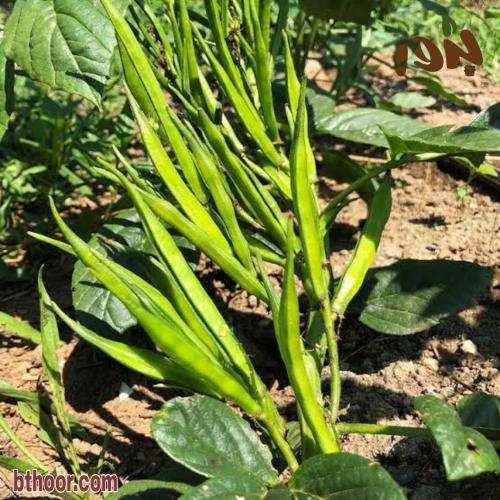
Climbing milkweed seeds (Al-Madeed)
7ر.س
Product description
Common name: Climbing Mulberry
Scientific name: Cynanchum acutum
Also called: Sharp Mulberry Climber - Long - Extended.
Original habitat of the climbing mulberry:
The origins of the mulberry shrub go back to Europe in temperate regions, and it is also found in the Americas and Australia.
Description of the climbing mulberry plant:
The mulberry is a small shrub with thorny, climbing branches that reach about four meters in length. Its leaves are broad and palm-shaped, with white color. It has clusters of black grapes, which is the mulberry. There are many types of mulberry; its fruits are initially green, then change color to red, and when ripe, they turn black. They have a sweet, delicious taste.
Description of the climbing mulberry flower:
Its flowers are small, white, fragrant, and bloom in spring.
Uses and benefits of the climbing mulberry plant:
- Mulberry is a tasty fruit.
- It has several health benefits.
- The fruit, roots, and leaves are used, as mulberry leaves contain tannic acid and flavonoids in addition to gallic acid.
- Rich in organic materials and vitamins.
Suitable climate for the climbing mulberry:
- Lives in areas with very stormy and dry summers.
- Tolerates harsh desert climates.
- Most varieties can grow in regions with at least 200-300 hours per season under temperatures of 7°C.
- Tolerates drought.
Suitable soil for the climbing mulberry:
- The soil must have good drainage.
- Water stagnation around the plant is not allowed.
- Preferably, the soil should be rich in organic matter and well-ventilated.
- Should not be exposed to strong winds.
- It is also preferred that the mulberry grows in slightly acidic soil, with a pH between 6.5 and 6.8.
Propagation method of the climbing mulberry:
- Propagates by seeds and cuttings.
Planting time for the climbing mulberry:
- Usually planted in spring when temperatures start to rise and after the frost season ends.
Planting method for the climbing mulberry:
- Prepare pots and agricultural soil.
- The mulberry should be planted at a depth of approximately 6-8 inches (15-20 cm).
- Fertilize the soil with rich organic fertilizer during the germination period.
- Water regularly.
- Wait a few weeks until all seeds sprout.
Fertilization method for the climbing mulberry:
- It is preferable to fertilize with a mixture of nutrients needed by plants, such as NPK containing iron, copper, manganese, and zinc to prevent mineral deficiencies.

From Buraydah
Questions you might have