
Yellow Shamya corn seeds
5ر.س
Product description
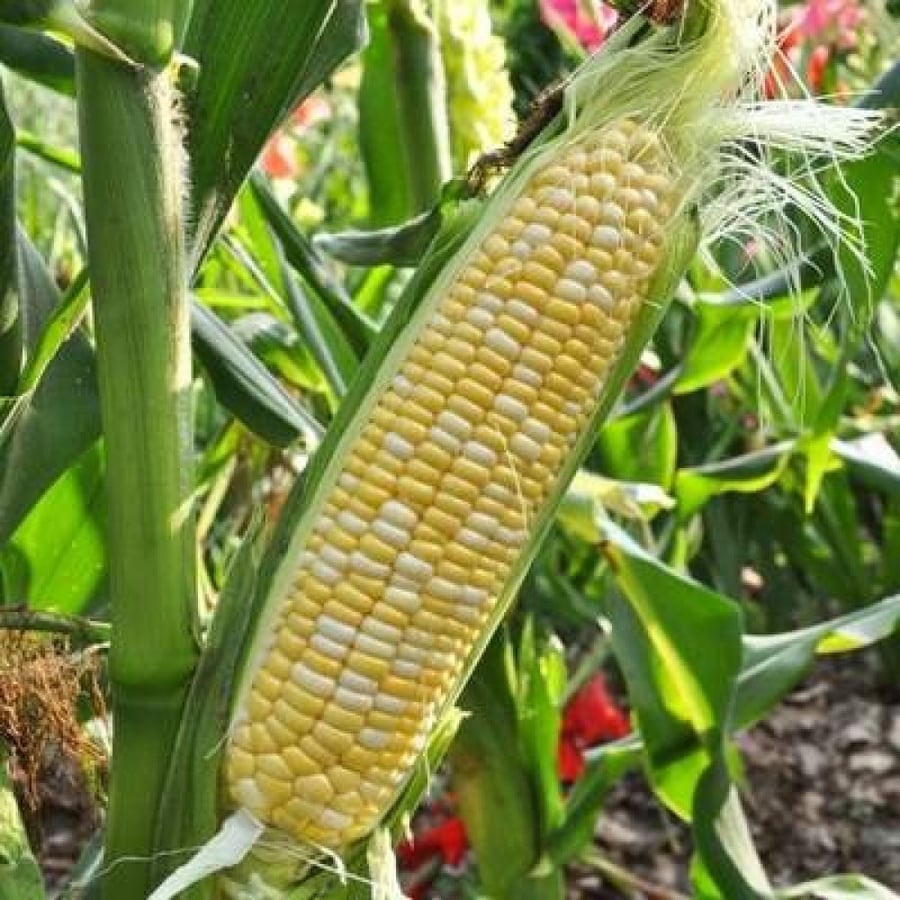
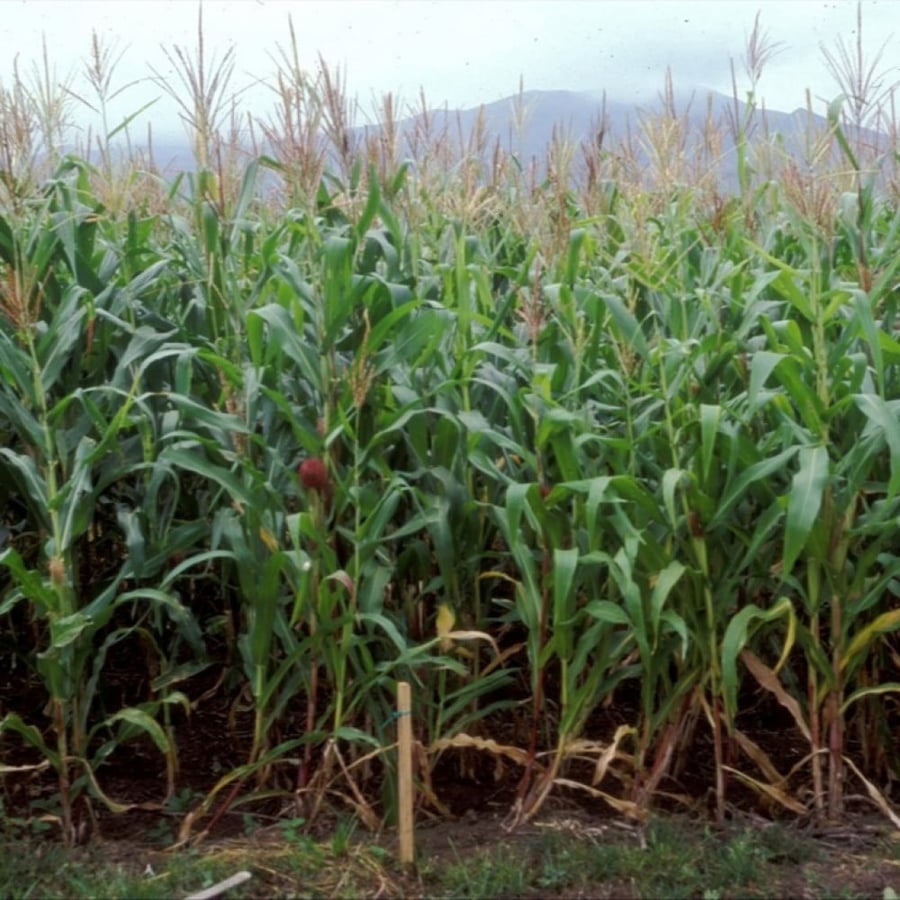
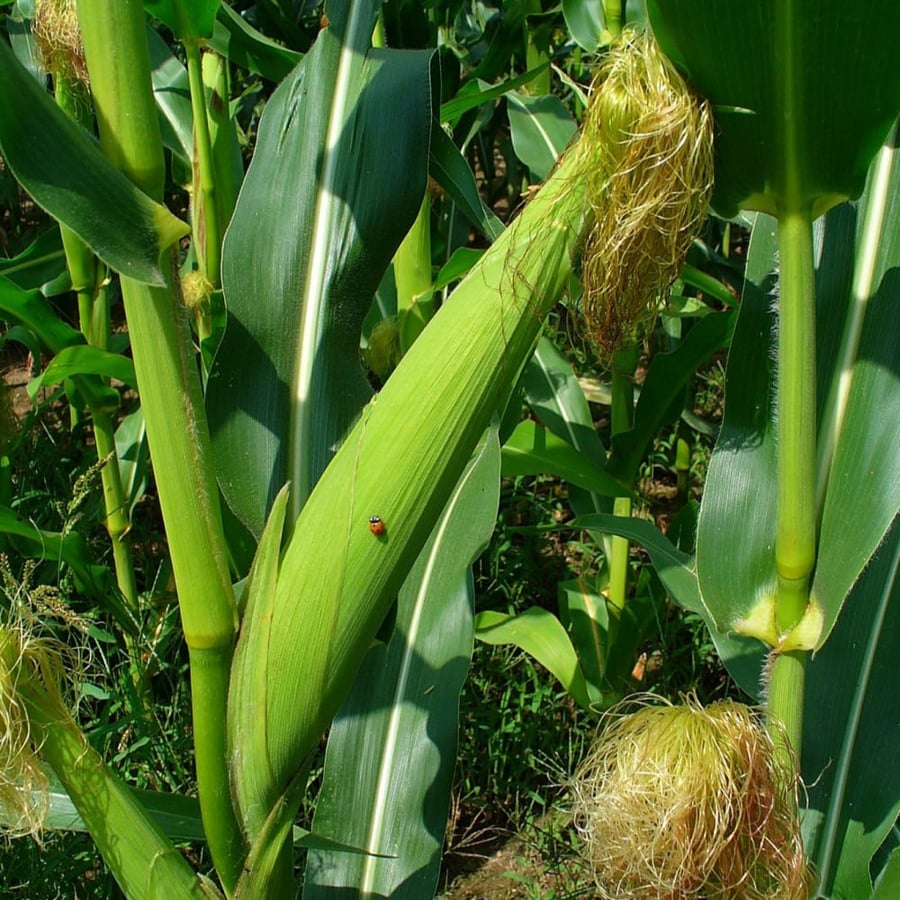
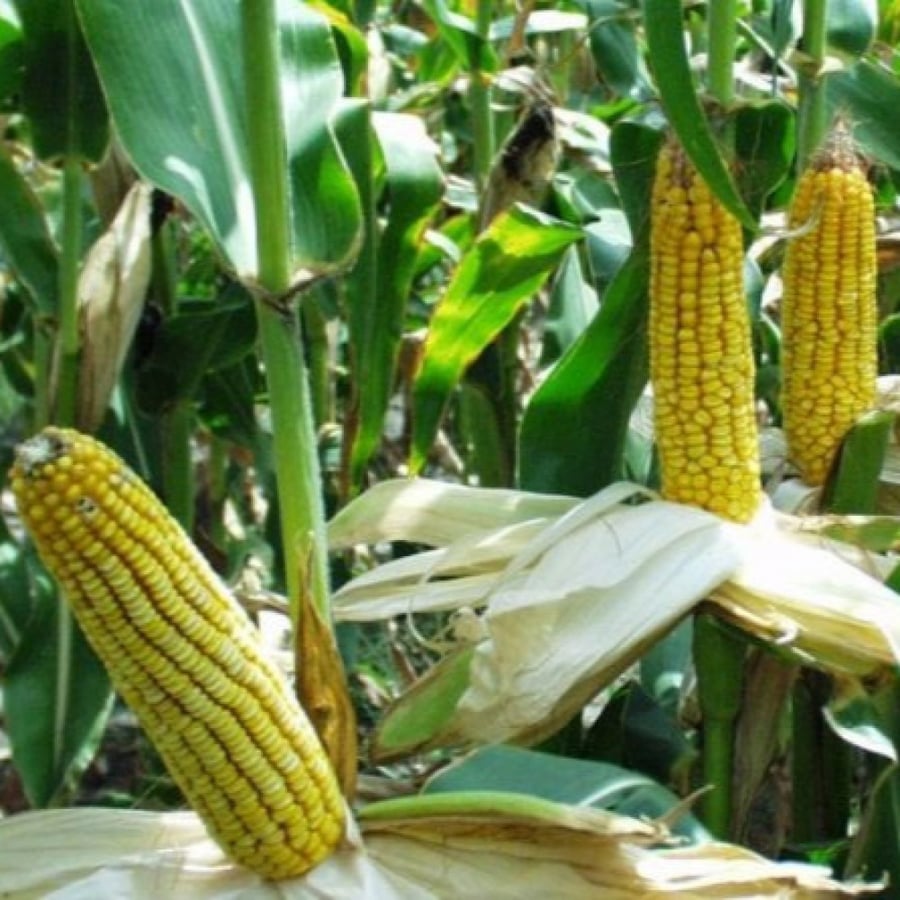
Common name: Yellow Shami Corn. Scientific name: Zea mays. Also called: Sweet corn - Sugar corn. Native habitat: •Southern Mexico and Guatemala. Description: •It is a plant with high nutritional value, has many uses, making it one of the most important cereal crops in the world. Uses and benefits: •The Native Americans used it as a source of flour. •It is mixed with many foods, and you can eat it alone. •Its leaves and branches are also used as animal feed. Suitable climate for growing yellow Shami corn: •It is preferred to grow corn in warm, tropical, and subtropical areas, which allows it to be exposed to the maximum amount of sunlight needed for its growth. Suitable soil for growing yellow Shami corn: •Growing corn requires warm, fertile, deep soil with good drainage, and adequate moisture. It is worth noting that the growth and pollination of the corn plant, which is carried out by the wind, requires a large space. Agricultural method for yellow Shami corn: •Most varieties of Shami corn succeed in well-drained alluvial soils that range from slightly acidic to neutral. Shami corn also needs nutrients such as nitrogen, phosphorus, and potassium, which, along with other nutrients, are generally added to the soil as chemical or organic fertilizers before plowing or during plant growth. Many farmers follow crop rotation cycles that include planting crops like alfalfa, clover, soybeans, or wheat alternately with Shami corn. This crop rotation helps replenish some nutrients in the soil, combat soil erosion, and control weeds, insects, pests, and diseases. Usually, planting begins in spring after plowing the soil. Seeds are planted about 5 cm deep in rows spaced approximately 75 to 100 cm apart. Harvesting of Shami corn begins when the moisture content of the mature grains drops to 28%, and in many areas, harvesting is done with a combine harvester that cuts the cobs from the stalks, removes the husks, shells, and cleans them in one process. The grains are then dried with hot air and stored in silos.

From Buraydah