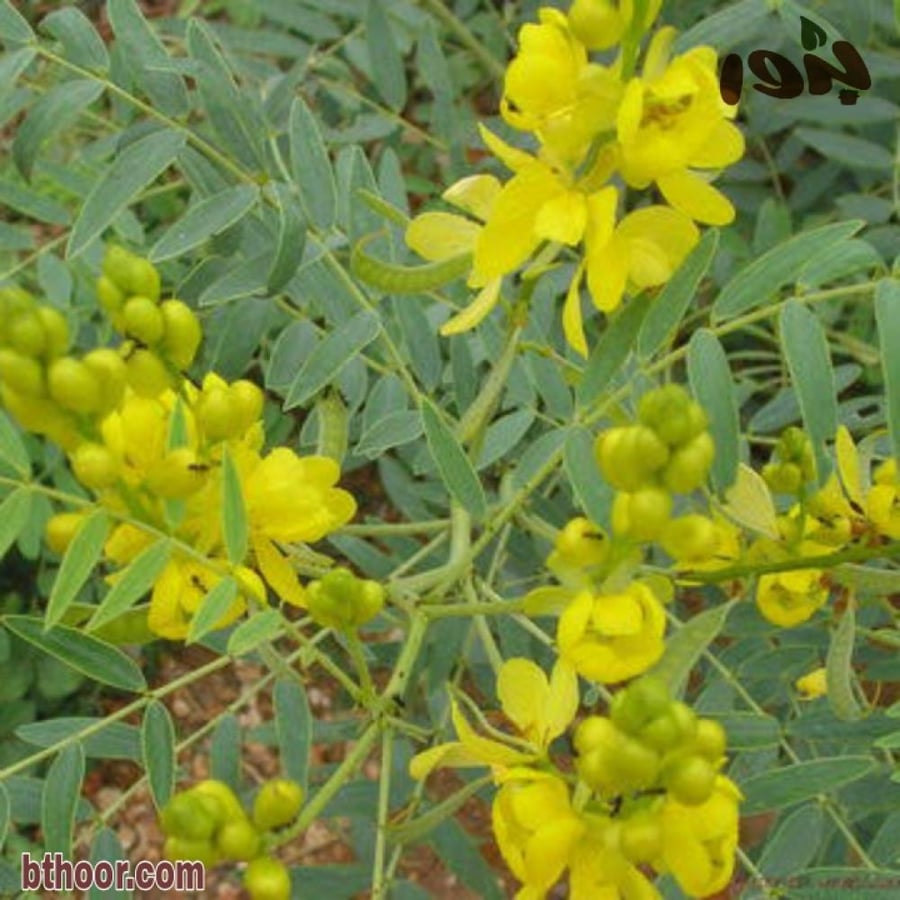

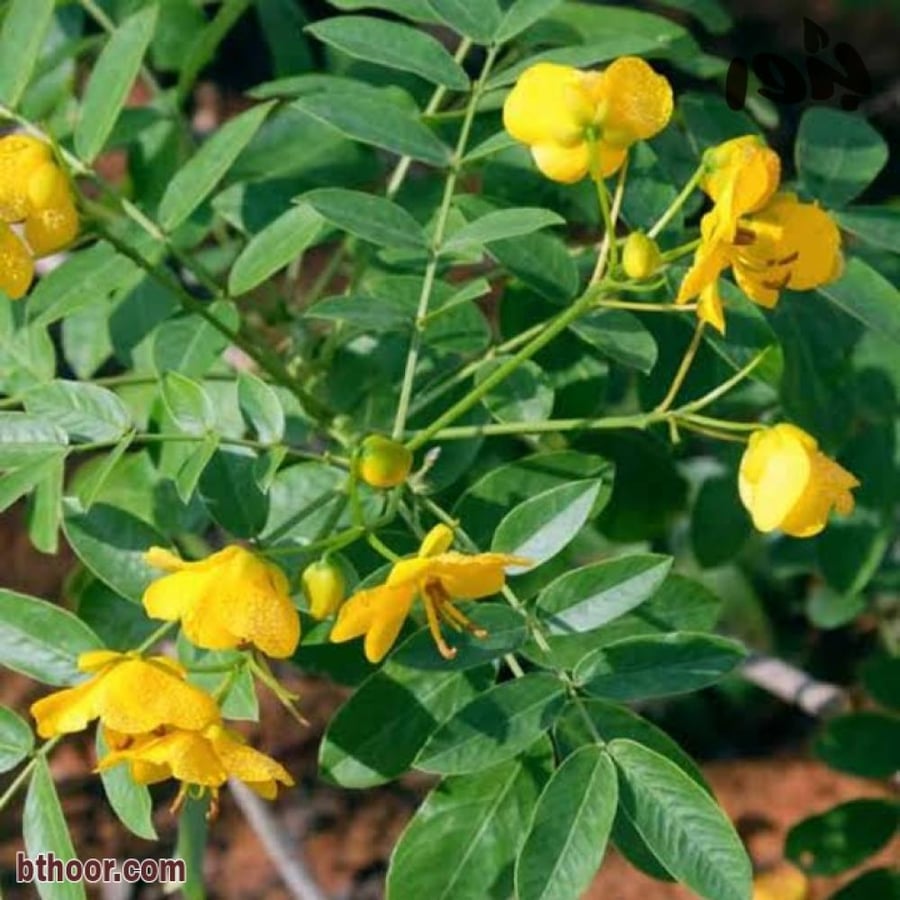

Seeds of the herb Senna acutifolia
7ر.س
Product description
Common name: Snamaki
Scientific name: Senna acutifolia
Also called: Senna
Original habitat of Snamaki plant: Its original habitat is Northeast Africa, especially in Sudan and Egypt, and the Arabian Peninsula.
Description of Snamaki plant: A small shrub that grows to a height between 0.5 and 1 meter, with compound, feathery leaves consisting of 5-8 pairs of long, narrow leaflets. The fruit is a small pod containing seeds.
Description of Snamaki flower: The flower of the Snamaki plant is small and beautiful, usually yellow in color. It contains five petals arranged radially, giving it an attractive shape.
Uses and benefits of Snamaki herb: It has been used for a long time as a laxative to treat constipation due to senna compounds that stimulate bowel movement. It is used in folk medicine to treat skin problems and some inflammation cases. It is used in some diets to cleanse the intestines and aid in weight loss.
Suitable climate for Snamaki herb: It grows best in hot and dry climates, and can tolerate short periods of drought. Moderate to warm temperatures, as the plant does not tolerate frost. Full exposure to sunlight, although it can tolerate some partial shade. Moderate humidity, as it needs an adequate amount of water to grow, but does not prefer waterlogged soil.
Suitable soil for Snamaki herb: Prefers sandy or light clay soil with good drainage. It can grow in poor soil but prefers nutrient-rich soil. Sensitive to soil salinity.
Propagation method of Snamaki herb: Propagates by seeds.
Best time to plant Snamaki herb: The best time to plant Snamaki is in spring after the danger of frost has passed. It can also be planted in early autumn in moderate climate areas.
Method of planting Snamaki herb: Ensure the soil is well-drained and rich in organic matter. Sow the seeds at a depth of about 1-2 cm. Maintain a distance of 30-45 cm between plants. Keep the soil moist until the seeds germinate. Then gradually reduce watering.
Fertilization method for Snamaki herb: Use a balanced fertilizer (such as 10-10-10) once a month during the growing season. Place the fertilizer about 15-20 cm away from the base of the plant. Water the soil well after fertilizing to help the fertilizer reach the roots.

From Buraydah
Questions you might have