
Seeds of the Rithad (Kaf Maryam Berri)
9ر.س
Product description
Common name: Rithad. Scientific name: Vitex agnus-castus L. Also called: Maryam's hand palm. The original habitat of the Rithad shrub:
• Mediterranean Basin and Western Asia.
• Found in several areas of the Saudi Arabian deserts.
Description of the Rithad shrub:
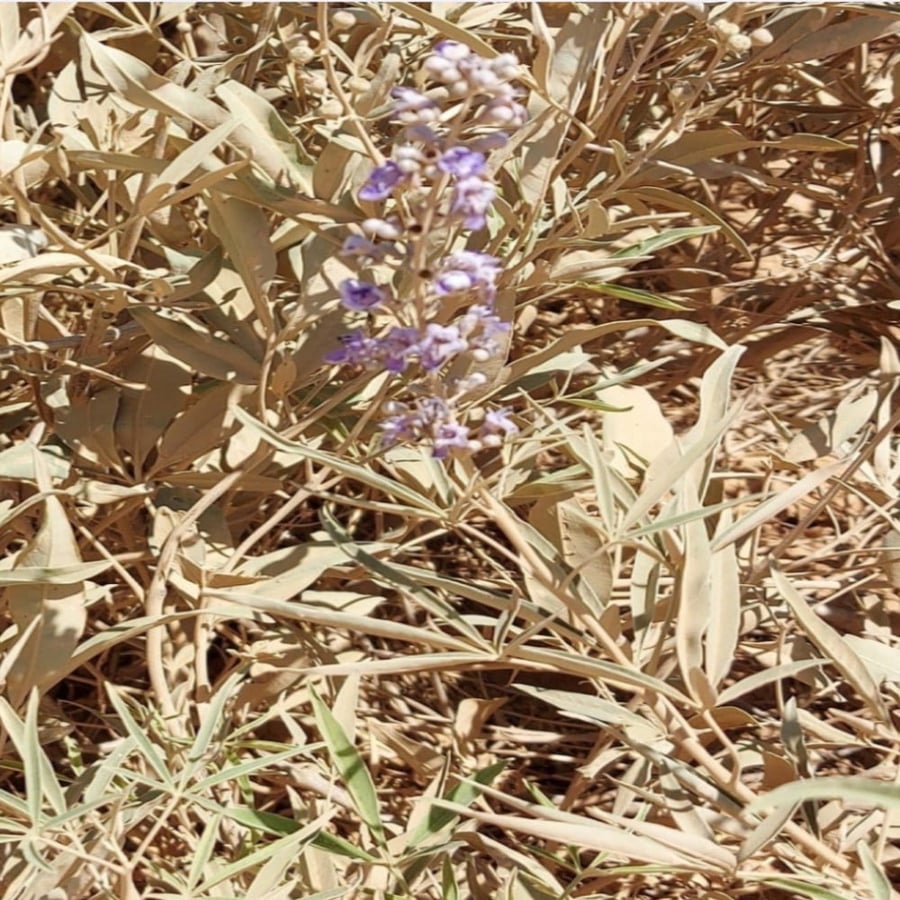
• Rithad is a perennial wild plant and a shrub that reaches a height of 2 to 4 meters. It has compound leaves with needle-shaped leaflets on a flexible stem. Its fruits are hanging, brown to black in color, and about the size of black pepper. The fruits and leaves are the common parts used.
Description of the Rithad flower:
• The flowers are purple and clustered at the tips of thin stems, blooming in summer.
Uses and benefits of Rithad:
• Used in medical and health fields.
• The fruits of the Rithad shrub are used as a spice alternative to pepper.
• Its aromatic leaves are also used as a spice.
• Used as an herb in dietary supplements.
• Grown for decoration in homes, gardens, and roadsides.
• Its flowers have an attractive appearance.
Suitable climate for Rithad:
• Tolerates temperatures of 40-48°C.
• Tolerates frost.
• Prefers direct sunlight.
• Good tolerance to drought and wind.
Suitable soil for Rithad:
• Grows in well-drained and ventilated soils.
• Clay soils.
• Sandy soils.
• Deep moist soils.
• Prefers regular watering.
• Tolerates salinity up to 5000-6500 parts per million.
Propagation method of Rithad:
• Propagated by seeds.
• Propagated by cuttings.
Planting time for Rithad:
• Planted in October and November, also in spring.
• Can be cultivated year-round in suitable conditions with appropriate temperature and humidity (such as plastic greenhouses).
Method of planting Rithad:
• Scatter seeds on the prepared soil surface or in containers (agricultural pots).
• Cover with a thin layer of soil no more than 2 cm and leave under direct sunlight for a short period.
• Water regularly until germination, then transplant to the ground.
Fertilization method for Rithad:
• The plant does not require much fertilization; once a year with organic fertilizer is sufficient.

From Buraydah
Questions you might have