
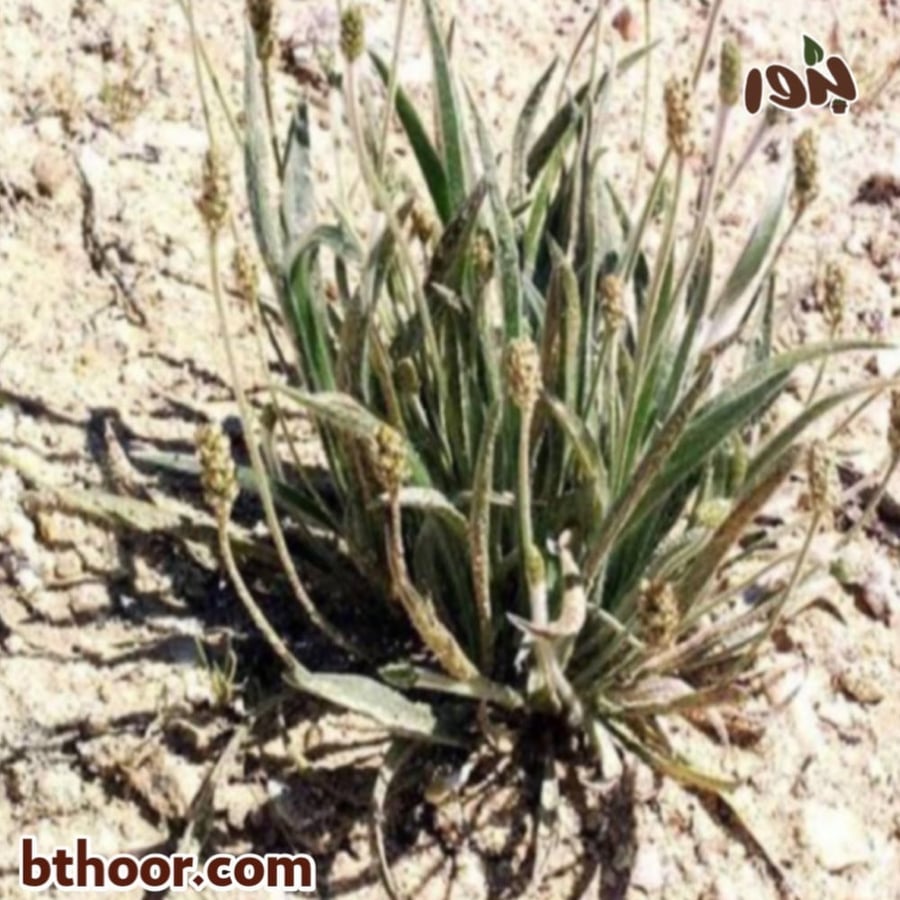
Plantago ovata seeds
5ر.س
Product description
Common name: Ribleh Alqatouna. Scientific name: ovata plantago. Native habitat of Ribleh Alqatouna: • From Central Europe and Africa and Pakistan and Canary Islands, and cultivated in Saudi Arabia and Spain and France and India.
Description of Ribleh Alqatouna plant: • Ribleh is a herbaceous plant that grows annually, wild plants that grow like herbs, with an upright herbaceous stem, sparsely branched foliage, and covered with fuzz, topped with heads containing hard black seeds that resemble fleas, the height of Ribleh plant ranges between 30 and 45 cm.
Description of Ribleh Alqatouna flower: • Its small white flowers bloom in spring.
Uses and benefits of Ribleh Alqatouna plant: • The leaves of Ribleh are used and eaten like spinach, whether raw or steamed. • The seeds are used to thicken ice creams and chocolates, and some use them in salads. • Ribleh seeds are used as natural healthy additions to some foods. • The seeds and shells contain high levels of fiber; therefore, they are a source of gelatin after soaking in water. • Cultivated to cover soil and prevent desertification. • Used as animal fodder.
Suitable climate for Ribleh Alqatouna: • Grows in neglected, dry, abandoned environments and sands. • Tolerates salinity. • Tolerates drought and high temperatures. • Tolerates frost and cold.
Suitable soil for Ribleh Alqatouna: • Grows in well-drained and ventilated soils. • Grows in various soils. • Thrives in light sandy, medium loamy, or heavy clay soils. • Tolerates neglected dry soils.
Propagation method of Ribleh Alqatouna: • Reproduces via seeds.
Planting time for Ribleh Alqatouna: • Planted at the beginning or end of spring.
Method of planting Ribleh Alqatouna: • Prepare pots and agricultural soil. • Should be planted at a depth of 1 cm. • Fertilize the soil during germination with rich organic fertilizer. • Water regularly. • Wait a few weeks until all seeds appear.
Fertilization method for Ribleh Alqatouna: • Preferably fertilized with a mixture of nutrients needed by plants, such as NPK containing iron, copper, manganese, and zinc to prevent mineral deficiencies.

From Buraydah
Questions you might have