
Balanites aegyptiaca seeds - Al-Laloub - Desert dates
9ر.س
Product description
Common name: Heglig
Scientific name: Balanites aegyptiaca
Also called: Lalloub or desert date
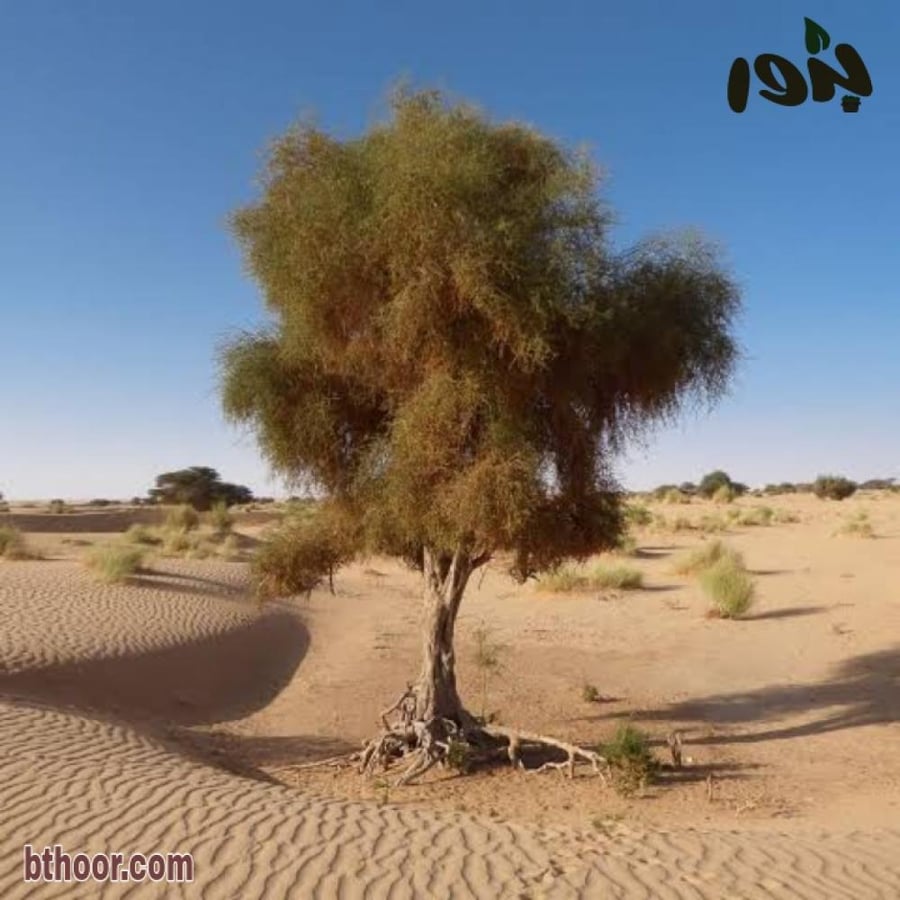
Native habitat of the Heglig plant: Its original habitat is the dry and semi-dry regions of Africa and the Middle East. It naturally grows in areas such as Sudan, Egypt, Ethiopia, Senegal, and extends to the Arabian Peninsula and India.
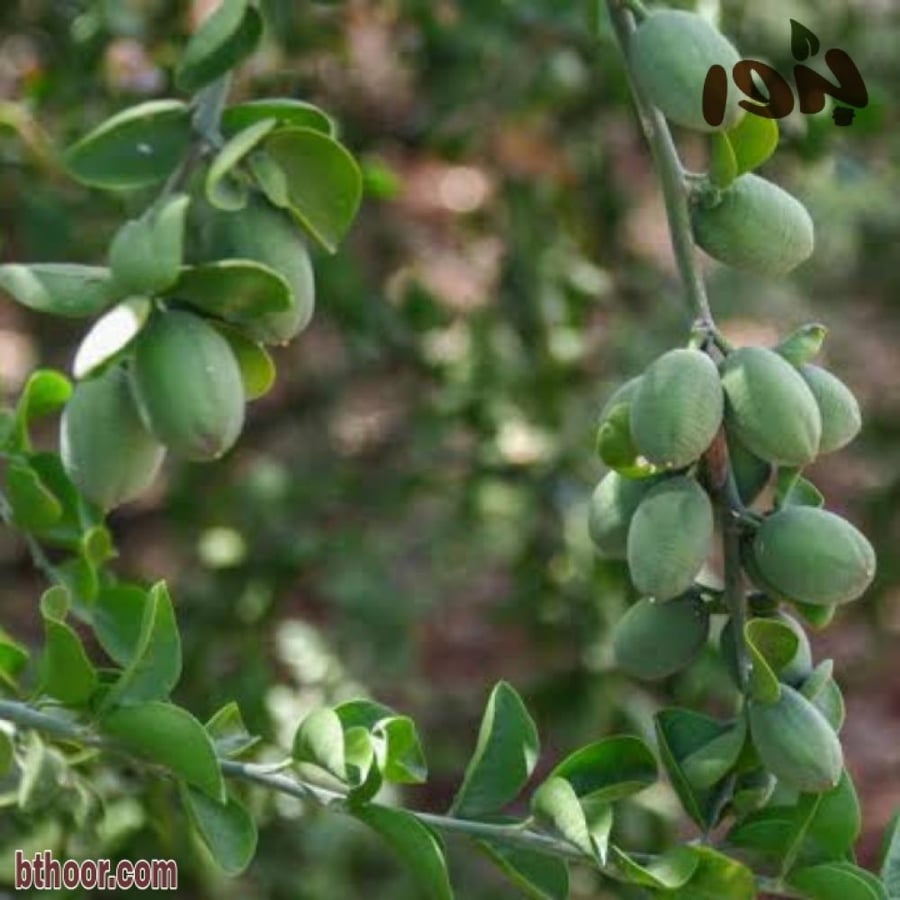
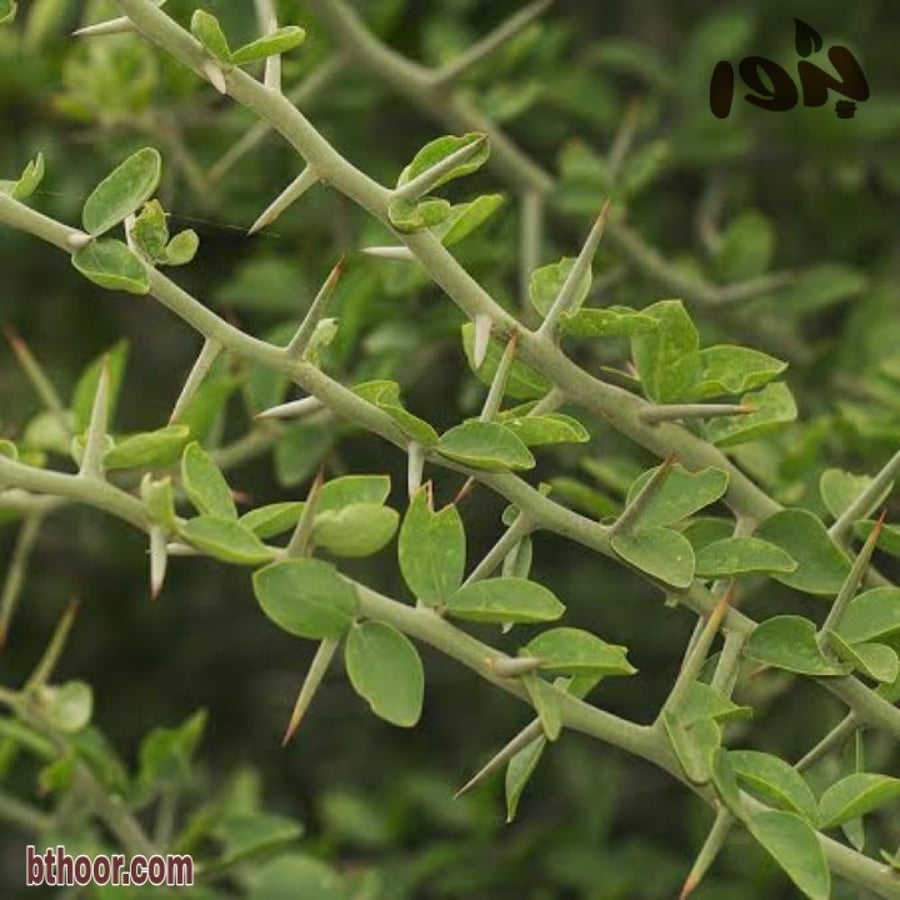
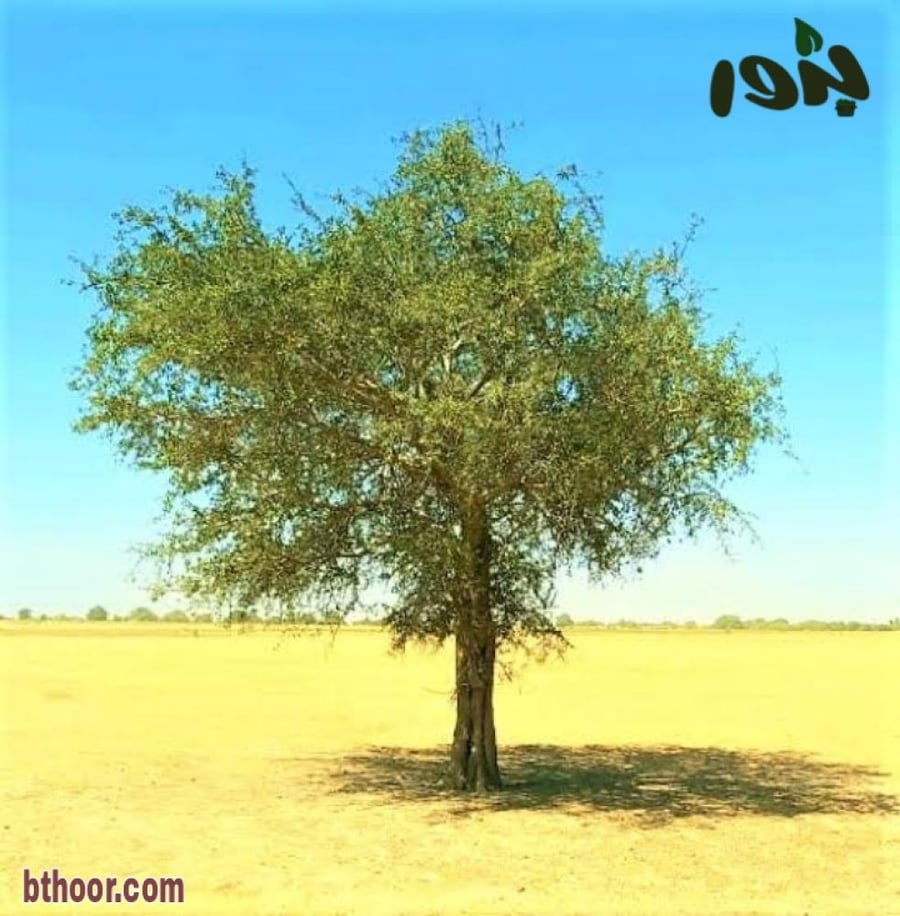
Description of the Heglig plant: The Heglig is a small to medium-sized tree, ranging in height from 6 to 10 meters. It has compound leaves and small yellow flowers that grow in clusters. The fruits are oval-shaped and yellowish-brown, containing sweet and nutritious pulp.
Description of the Heglig flower: The Heglig flower is small and yellow, growing in dense clusters. Each flower consists of five petals arranged radially, appearing in spring. The flowers are fragrant and attract many pollinating insects.
Uses and benefits of the Heglig plant: Used in traditional medicine to treat liver, digestive system, and diabetes diseases.
Oil extracted from its seeds is used to treat skin diseases and wounds.
The fruits are edible and nutritious, containing high levels of sugar and minerals.
The tree is used in combating desertification and protecting the soil from erosion.
Its wood is used to make agricultural tools and furniture.
Suitable climate for the Heglig plant: The Heglig prefers dry and semi-dry climates.
It tolerates high temperatures and harsh conditions.
It thrives in areas where annual rainfall ranges between 200 and 600 mm.
It withstands drought and humidity.
Suitable soil for the Heglig plant: It grows in a variety of soils.
It prefers well-drained sandy and clayey soils.
It can grow in poor soils with low organic matter, making it suitable for arid lands.
Method of propagation of the Heglig plant: Propagated by seeds and cuttings.
Best time to plant the Heglig: The best time is at the beginning of the rainy season to ensure moisture for seedling growth.
In dry climate areas, planting is preferred in late spring or early summer.
Method of planting the Heglig: Seeds are collected from ripe fruits and dried.
The soil is tilled and weeds are removed.
Seeds are planted at a depth of 2-3 cm, spaced about 1-2 meters apart.
Regular watering is necessary until seedlings grow, then watering is gradually reduced.
Method of fertilizing the Heglig: The Heglig does not require large amounts of fertilizer due to its ability to grow in poor soils, but organic fertilizer or balanced fertilizer (NPK) can be used to improve growth, especially in early stages.
It is preferred to apply fertilizer at the beginning of the growing season and after the start of rainfall to ensure good nutrient absorption.

From Buraydah
Questions you might have