Empty string
10ر.س
Product description
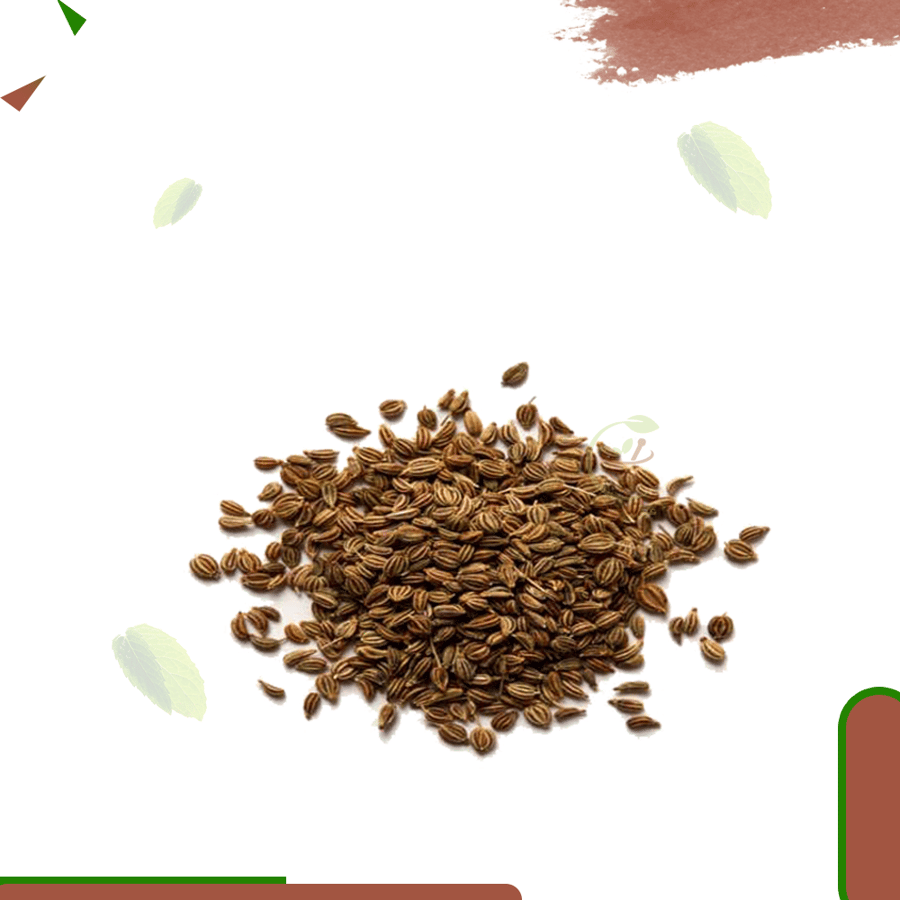
The nanakha is a herbaceous annual plant that does not exceed 50 cm in height, with slender, upright, minimally branched stems. Its leaves are few, divided, somewhat resembling the leaves of the chickpea plant. The plant produces a cluster of fruits in the form of an umbrella that is white in color, turning brownish-green when ripe. The fruit is small, similar in size to chickpea or mustard seeds.
Other names:
Nanakha is known by other names such as Nakhooa, Nanakhwa, called in Egypt as Indian Nakhooa, also called Mulkawi cumin.
Scientifically, Nakhooa is known as Trachyspermum ammi, with a synonymous name being Carum copticum.
The part used medicinally:
The part of the nanakha plant used is only the fruits.
Original habitat:
The original habitat of the nanakha plant is in hot regions such as Eastern India, Iran, and Egypt. However, the most famous countries cultivating nanakha commercially are India. The British authorities also cultivated it in the Seychelles islands.
Chemical contents:
Nanakha fruits contain essential oils, the most important compound in this oil being thymol, which is responsible for the plant’s medicinal effect.
Nanakha historically:
Nanakha is considered one of the widely used spices, especially in India, and is also a traditional remedy for many diseases. Ibn al-Baytar, as quoted by King al-Muzaffar in his trusted book on single medicines, said: "Nanakha is a Persian name meaning bread seeker because it enhances the taste when sprinkled on bread before baking. The most used part is its fruits, dried and heated, with a bitter and pungent taste. It diureses, dissolves, and is suitable for colic, difficulty urinating, insect bites, and promotes menstruation when mixed with honey and applied as a dressing to the bloodshot eye. Its preparation relieves bloating and its seed cures old fevers and boils. Its decoction is used to treat scorpion stings, relieving pain at the site, and it helps in pus removal from the chest and stomach, relieves wind, and aids digestion. It is good for heart pain and nausea, warms the stomach and liver when consumed, purifies the kidneys and bladder, and expels stones. It may also expel worms when eaten with honey. When injected into the uterus, it benefits and dries out its moistness and improves its smell. When combined with laxatives, it benefits those suffering from constipation. When applied to the face, it removes pimples. When mixed with beneficial treatments for albinism and vitiligo, it enhances their effects and increases their potency."
Dawood al-Anṭaki said about it: "People in Egypt call it Indian Nakhooa, which is a seed about the size of mustard, with a strong smell, sharpness, and pungency. It is called Mulkawi cumin. It burns phlegm, removes wind, hiccups, bloating, chest pains, and the pus and hardness of the liver and spleen, difficulty urinating, stones, nausea, and indigestion. Three Masaqil (measures) of it, boiled in a pound of milk with an ounce of sugar until halved, then drunk on an empty stomach, shatters stones."

From Mecca