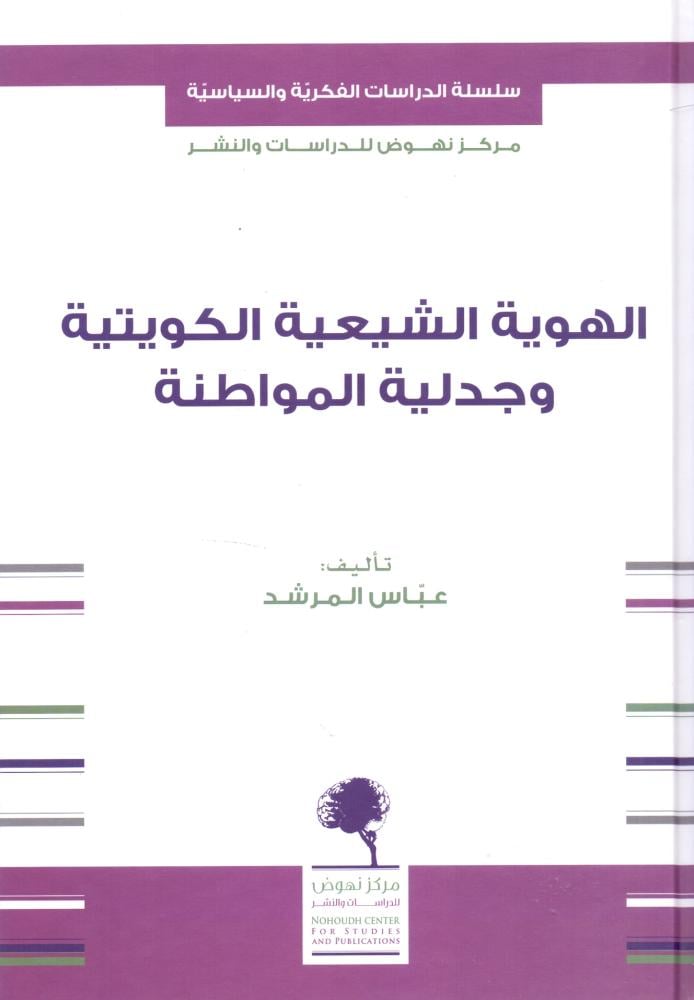
The Kuwaiti Shiite identity and the debate over citizenship
86.25ر.س
Out of Stock
Product description
Let's start by posing the following question: How do we imagine society and the state in Kuwait without the Shia groups? What if there were no Shia in Kuwait, would the issue of sub-identities and the national identity be resolved? And would Kuwait or the Gulf Cooperation Council countries enjoy democracy and full citizenship? Would the wall be able to protect society from political and social chaos, considering that the wall included the components of Kuwaiti society and protected them from external dangers and strengthened their bilateral relations since the early beginnings of the founding of the civil state? Why did the civil state's wall collapse when the nation-state was born and a constitution was written for it, which was considered the most modern and advanced link in comparison to other countries in the region? And has the nation-state given society more immunity than the first, second, and third walls of the civil state?
The author tries to answer these complex and profound questions. Also, the choice of Shia groups in this study does not mean excluding other groups, whether doctrinal, tribal, or ethnic. The failure observed in the study perhaps affected most of the groups that make up Kuwaiti society, which means the importance of conducting other studies that explore the strategies of these groups, their sub-identities, how their relations with the national identity were built, and what are the existing areas of tension that could explode at any historical juncture.

From Jeddah