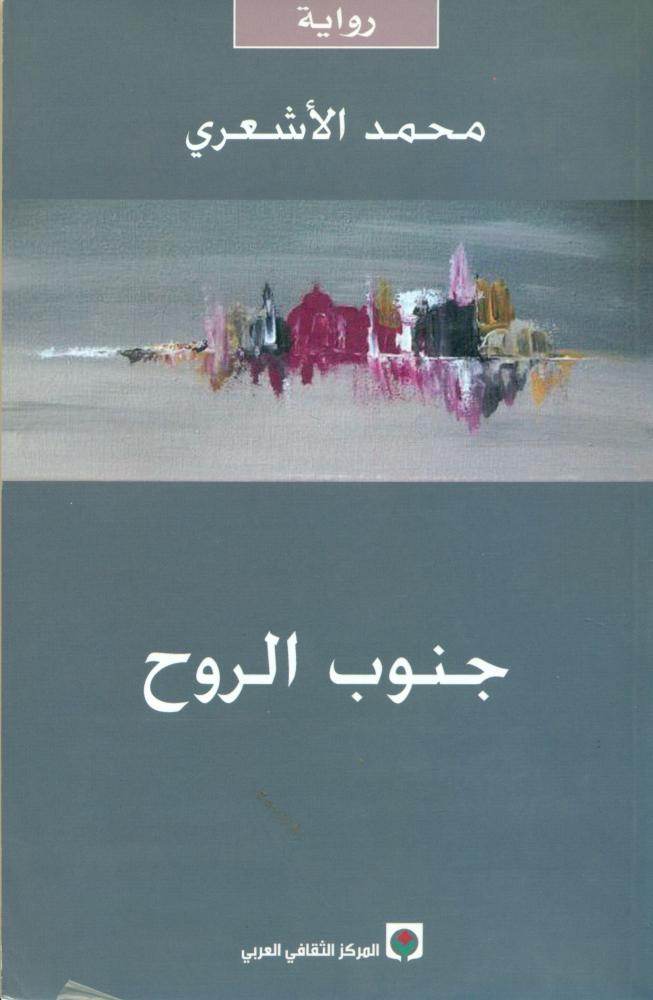
South of the soul
34.50ر.س
Out of Stock
Product description
Critics in Morocco consider this novel, which was first published by Dar Al-Rabitah in Casablanca in 1996, as a tribute to the novel The Bow and the Butterfly, for which the author received the Booker Prize for Arabic fiction in 2011.
This opinion is based on the fact that the Al-Farsioui family, whose paths began with South of the Spirit, is the one that experienced the complexity of these paths and their entanglement with the present time in the atmosphere of The Bow and the Butterfly, first published in 2011, and in its second and third editions in 2011.
However, these genealogical ties between the two novels do not make them sequential works. South of the Spirit is, first and foremost, a heartfelt reflection on the disappearance of the first literary novel concept by the Moroccan writer Mohamed Ashri (South of the Spirit), a nostalgic longing of the fictional characters for their roots, origins, genealogical lineage, and tribal and cultural background. It chronicles the Al-Farsioui family from Beni Aki, Beni Tuwazin tribe, located in Bouderb in Témsaman, part of the Nador province in northeastern Morocco, belonging to the Rif region. The Al-Farsioui family migrated from the Rif area in the late 19th century due to plagues and famines that swept through the region. Thus, this Riffian lineage left Bouderb heading towards Zrhone, neighboring Fes and Meknes. This novel is merely a poetic recollection and a retelling of the history of this lineage, the reasons for their arrival in Zrhone, and their cultural, religious, social, and economic situation in this area. This retrospective (flashback) is performed by the eldest grandson of Al-Farsioui, who studies at the Faculty of Law in Rabat. He is the son of Mohamed Al-Farsioui, who left a notebook (kanasha) documenting this ancient Amazigh Riffian lineage known for its strength, jihad, worship, Sufi blessings, and spiritual reverence. Through the pages of this notebook, the author recounts the history of the Al-Farsioui family and how they moved to the Boudirb village in Zrhone. He also takes a journey to Nador city, then to Bouderb via Driouch and M’diar, to explore the roots of this lineage and seek relatives, ancestors, fathers, grandchildren, and siblings, aiming to revive kinship ties and restore the history of this Farsioui tribe, as well as to recount the history of the Rif region and its heroic fighters such as Mohamed Ben Abdelkrim Al Khattabi, the bravery of Beni Tuwazin, and the people of Témsaman. The author's journey is a nostalgia for the origin and roots of the genealogical descent, a remembrance of the past, and the history of the Rif people during past centuries, the colonial period, and post-independence. The novel is filled with real, legendary, and religious historical figures who contributed to creating the environment of the Al-Farsioui family in Bouderb, Zrhone, where zawiyas, saints’ shrines, the mausoleum of Moulay Idriss I, Quran recitations, and spiritual invocations are present. Thus, the novel records the journey of the Al-Farsioui family from the north (the Rif region) toward the south (Zrhone), seeking stability, safe living, fertile lands for cultivation, harvesting their fruits, drinking their animals’ milk, and enjoying the icy waters of the Atlantic springs, creating an atmosphere of joy, reproduction, and increasing offspring and grandchildren to expand the lineage in Zrhone.

From Jeddah