Nothing
35.01ر.س
Out of Stock
Product description
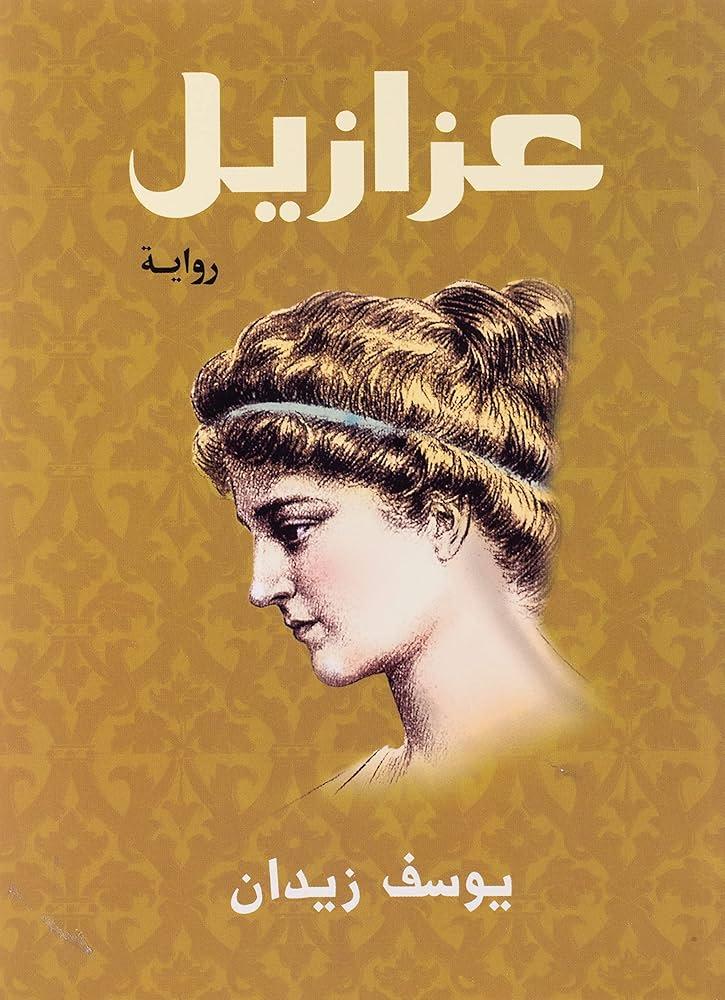
It is one of the most famous modern Arabic novels and the most controversial. The novel was published in 2008 and won the International Prize for Arabic Fiction (the Booker) in 2009, which gained it wide fame. The novel is presented as a translation of a collection of ancient manuscripts written in Syriac, discovered in a wooden box near the Monastery of Saint Samaan the Stylite in Aleppo. These manuscripts are the autobiography of an Egyptian monk named Hiba, who lived in the fifth century AD. The events of the novel take place during a turbulent historical period, between Upper Egypt, Alexandria, and northern Syria, after the Roman Empire officially adopted Christianity. During this period, there was a fierce theological conflict between different Christian sects, in addition to the conflict between Christianity and the declining paganism. "Azazel" is a name for Satan in Jewish and Christian traditions, and in the novel, it represents internal temptations and psychological struggles faced by the monk Hiba. The novel delves into Hiba's journey filled with conflicts between faith and doubt, spirituality and body, good and evil. The novel addresses complex religious, philosophical, and historical issues, such as: Theological conflicts: especially disputes over the nature of Lord Christ (is he divine or human?). Church fanaticism: and depicting some acts of violence carried out in the name of religion, such as the murder of the pagan philosopher Hypatia in Alexandria. Internal human conflicts: where the monk Hiba finds himself torn between his strict faith, his human instincts, and his emotions. Why did it spark controversy? The novel caused widespread debate upon its release, especially from some religious institutions, which saw it as an attempt to distort Christian history and cast doubt on church doctrines. Conversely, critics praised Zaidan's literary style, poetic language, and his ability to blend history with philosophy, emphasizing that the novel is a work of art that should not be read as a historical document.

From Jeddah