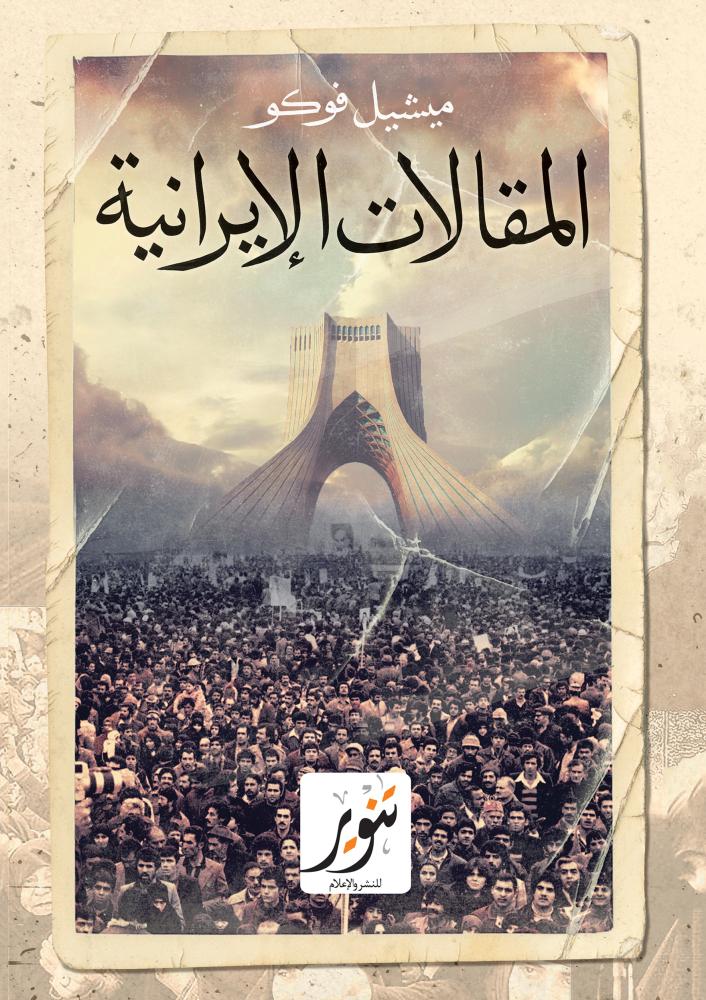
Iranian articles
35.01ر.س
Product description
The book "Iranian Articles" is considered an important document for understanding Foucault's view of the political events at that time, as it goes beyond ordinary political analysis to present deep philosophical concepts: Political spirituality: the most prominent concept that Foucault presented in these articles. He saw the Iranian revolution as a unique phenomenon, not just a class struggle or Marxist revolution, but a "political spirituality" expressing the people's desire to find a new form of governance that combines spiritual and political dimensions, as an alternative to the Western material modernity imposed by the Shah's regime. Critique of Western modernity: through following the events in Iran, Foucault criticized the Western model of modernity that neglects the spiritual and moral aspect in favor of authority and technology. He saw the Iranian revolution as an attempt to transcend this model and redefine politics away from traditional forms of authority. Analysis of the revolution from within: Foucault went down to the Iranian street and spoke with revolution leaders and opponents, which gave him a direct view of the events. These articles reflect his attempt to understand the motivation driving the Iranian people, which he believed goes beyond the usual economic and social reasons. Foucault's opinions about the Iranian revolution were controversial at the time, and he faced harsh criticism from Western intellectuals who saw that he adopted a romantic or naive perspective towards a movement of religious nature that could turn into an authoritarian regime. However, this book remains an important reference for studying modern political philosophy and Foucault's reflections on issues of power, resistance, and the role of religion in politics.

From Jeddah