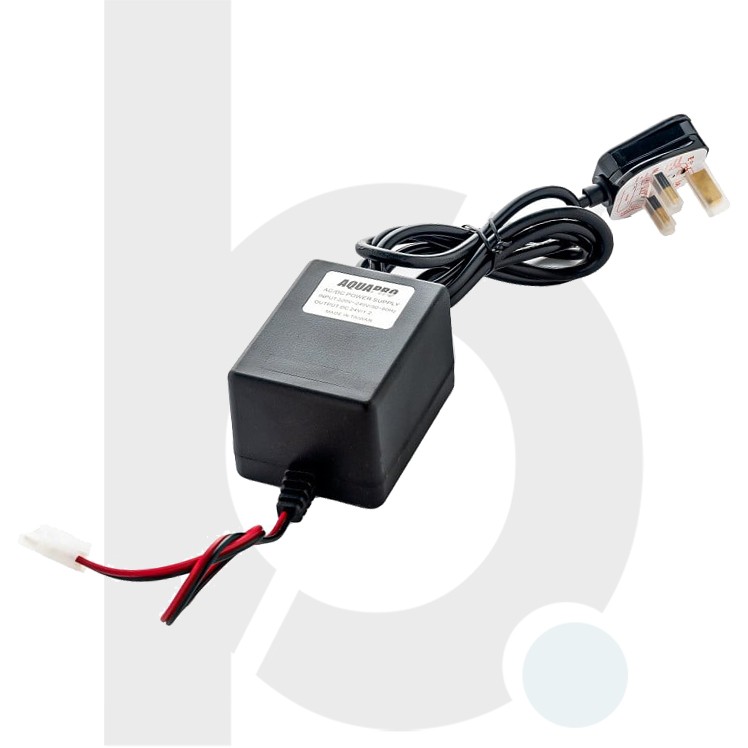
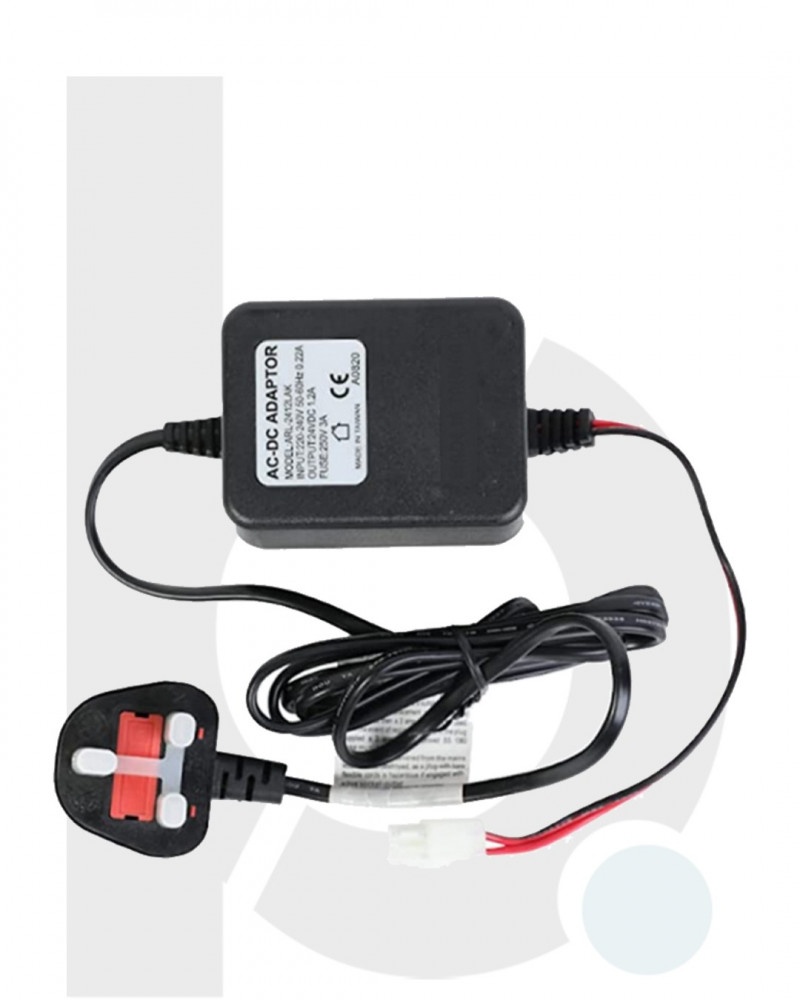
Water purifier device converter
71.30ر.س
115ر.س-38%Product description
The electrical converter (adapter) is the heartbeat that supplies power to the purification device or mist system. This converter is designed with superior Taiwanese quality to convert household current into a low and stable voltage, ensuring the pump operates efficiently and is protected from voltage fluctuations, guaranteeing continuous flow of pure water in your home without interruption.
Why is the Taiwanese converter the first choice for professionals?
This converter is made from high-quality heat-resistant materials, equipped with internal protection systems against overload and sudden voltage surges, protecting the pump from burning out and providing maximum safety. Thanks to its compatibility with purification and mist systems, it is an essential and reliable spare part that lasts for many years without performance decline.
Main features:
Original Taiwanese manufacturing: recognized for durability and electrical stability compared to traditional converters.
Smart protection: an integrated system disconnects the current in case of overload to protect the device's electrical parts.
Stable and powerful performance: provides an accurate output (24 volts) that ensures the pump works at full capacity without noise or vibration.
Multi-purpose: ideal for operating all household RO purification devices as well as mist and air cooling systems.
High-quality materials: a durable outer shell and strong internal components that withstand long operating periods.
Technical specifications:
Country of origin: Taiwan.
Input power: 220V - 240V (compatible with Saudi standards).
Output power: 24V volts (the ideal voltage for pumps).
Frequency: 50/60 Hz.
Compatibility: compatible with all purification systems (5, 6, 7 stages) and mist systems.
When do you need to replace the converter?
If the device completely stops working despite power reaching the socket.
If you notice a significant drop in pump pressure despite the filters being intact.
If a strange "buzzing" sound comes from the converter or it overheats excessively.

From Medina
Questions you might have