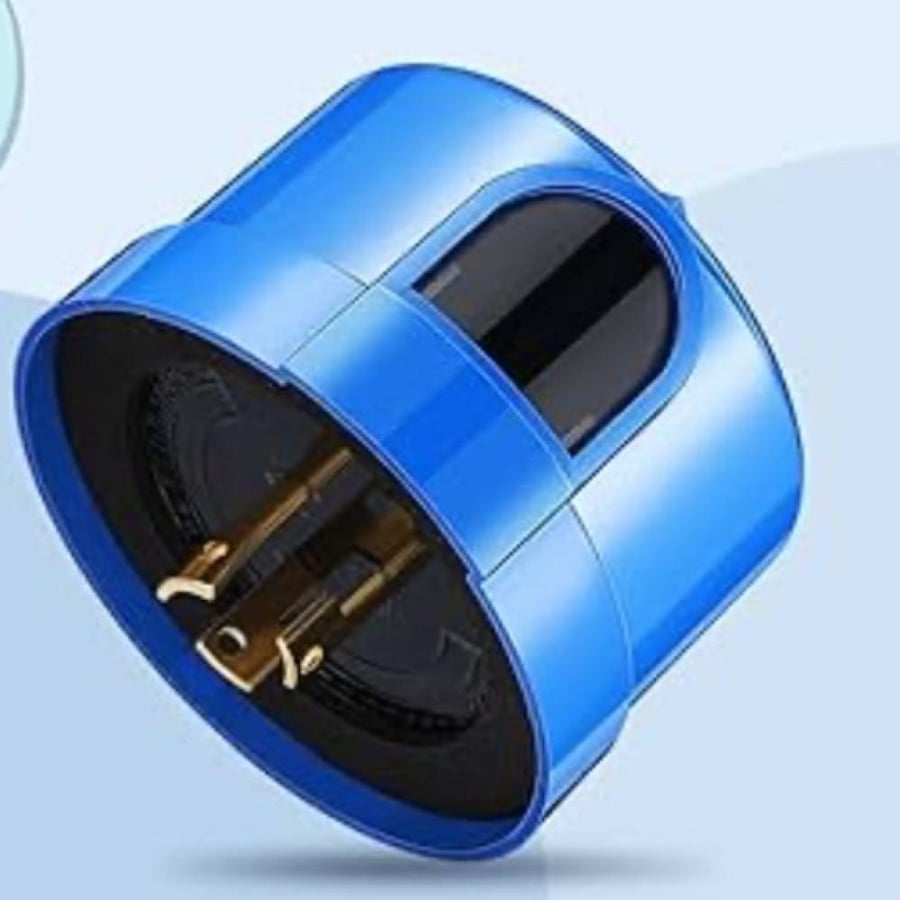
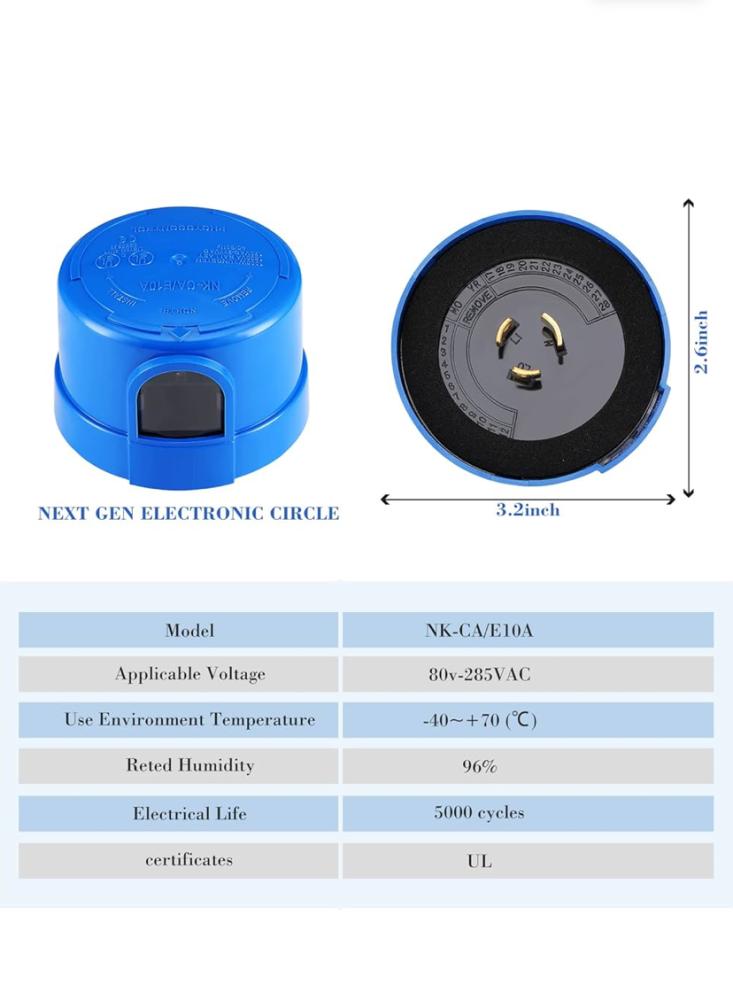
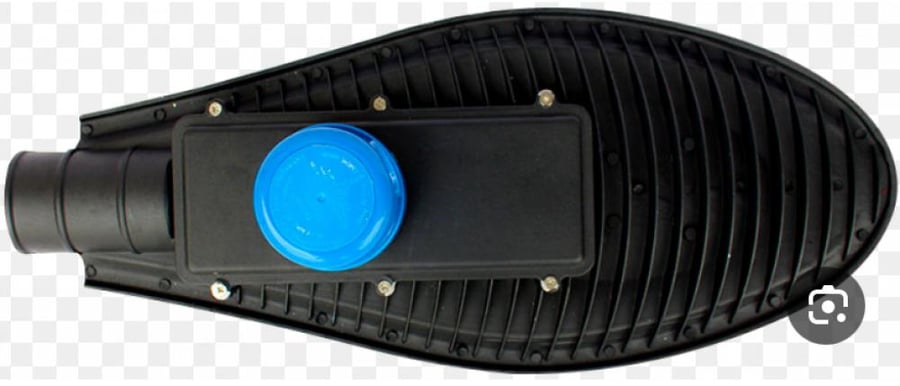
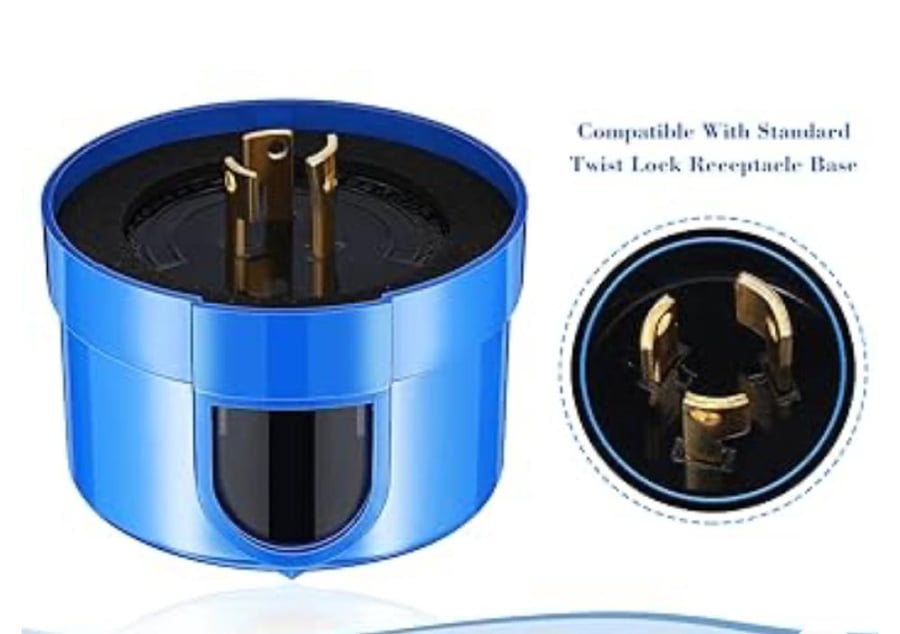
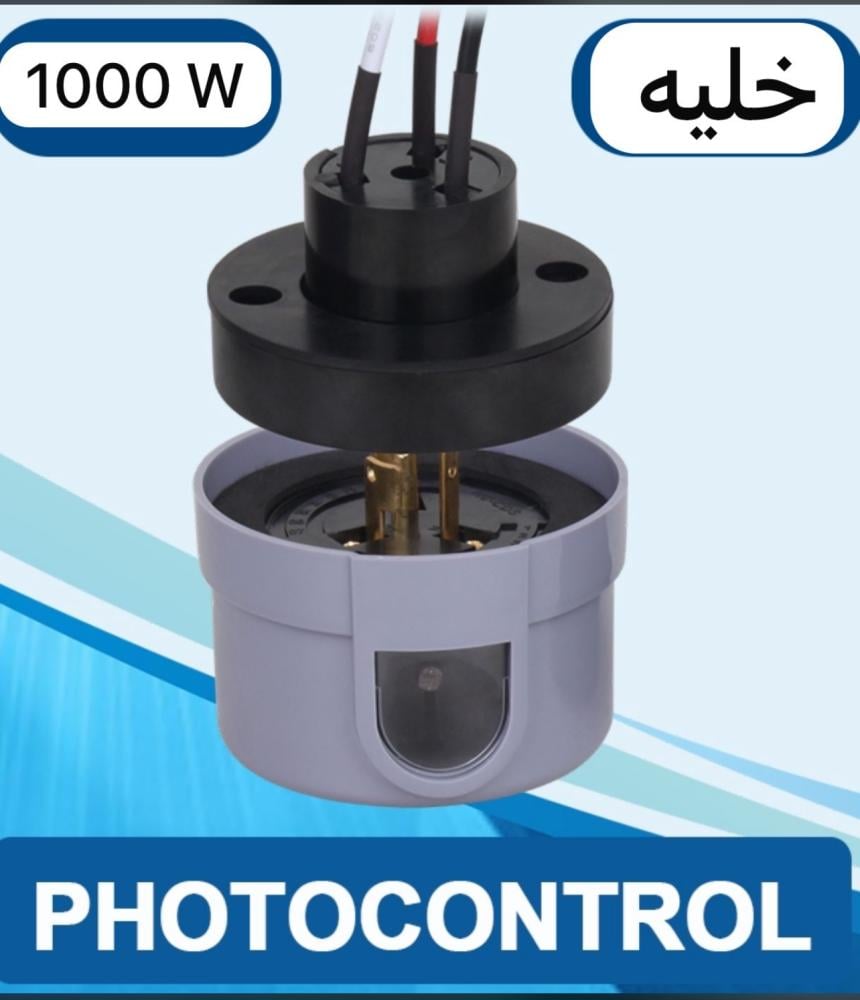
Make it an external flashlight
25ر.س
30ر.س-17%Product description
You can use a photoresistor cell to control turning on the lights at night and turning them off during the day using simple components. Here's how to do it:
### Required components:
1. **Photoresistor cell**: detects light.
2. **Resistor**: to reduce the flowing current.
3. **Transistor**: to control the light.
4. **Light (LED or electric light)**: the device to be controlled.
5. **Battery**: to provide power.
6. **Connecting wires**: to connect the components.
### Steps:
1. **Connecting the photoresistor**:
- Connect the photoresistor to the resistor so that they are connected in a voltage divider circuit.
- Assume the terminals of the photoresistor and resistor are connected at the same point.
2. **Connecting the transistor**:
- Connect the base of the transistor to the point where the photoresistor and resistor are connected.
- Connect the collector to the power source that will turn on the light.
- Connect the emitter to ground.
3. **Connecting the light**:
- Connect the light between the collector of the transistor and the power source.
- Make sure the battery is connected correctly.
4. **Testing the system**:
- When the light is weak (like at night), the photoresistor will have lower resistance, allowing current to flow to the transistor's base, thus turning on the light.
- When there is bright light (like during the day), resistance increases, preventing the light from turning on.
### Notes:
- Make sure to select appropriate components based on the current and voltage required by the light.
- You can use different resistors to set the sensitivity level you desire.
In this way, you will be able to build a system to automatically control turning on and off the light according to lighting conditions.

Questions you might have