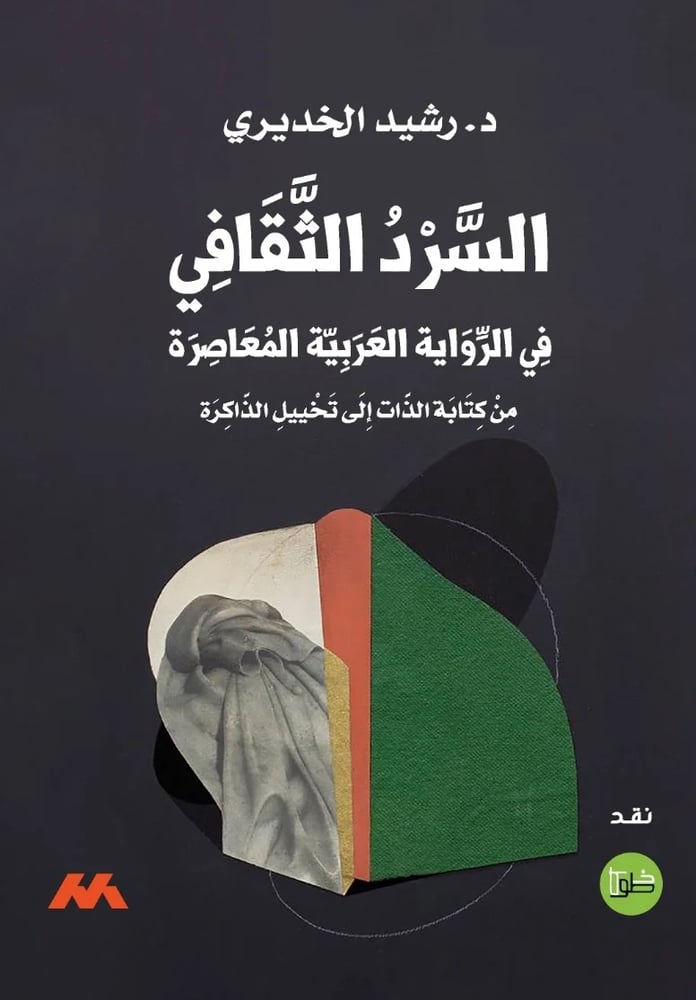
Cultural narration in contemporary Arabic novel (from the book of the self to the imagination of memory)
35ر.س
50ر.س-30%Product description
Engaging with these different forms, styles, and structures of these narratives and approaching their imaginary, artistic, and structural worlds highlights their relevance, strength, and novelty. Criticism has always been a tool for reading and interpretation and a broad space for exploring the horizons of literature, especially the novel, which is the literary genre that has housed existential dilemmas since its emergence in the mid-19th century and the early 20th century. This is demonstrated by the growing insistence on reading it, accompanying it with criticism, investigation, and research into its structures, meanings, and troubling questions. Thus, we can say that this study, in listening to the pulse of texts, their language, imagination, and structure, has clearly shown us the importance of cultural approaches and their role in addressing topics that have remained until recent times difficult to grasp, understand, and analyze. In this regard, it is necessary to acknowledge and commend the contributions of cultural critics, and before them, the pioneers of modern literary criticism, for enriching the Arab critical scene. They played a pivotal and decisive role in the development of criticism, renewing its paths and theories.

From Dammam
Questions you might have