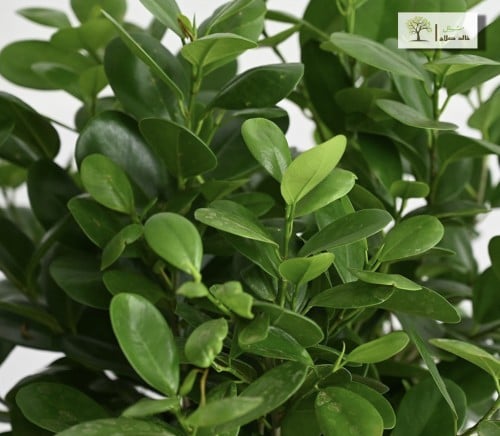
Laurus tree seedlings
13ر.س
Product description
Common name: Leucaena
Scientific name: Leucaena leucocephala
Other names: Al-ashnan - Sheiba
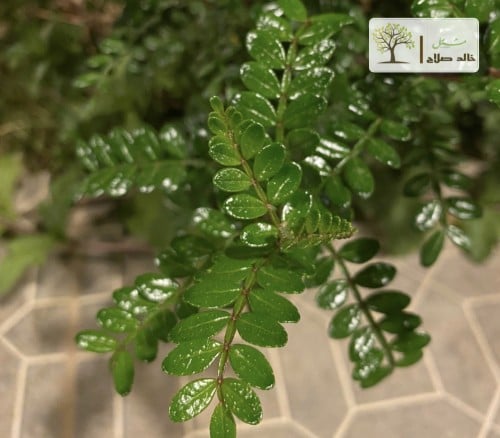
A fast-growing tree reaching up to 10 meters in height, with a slender trunk covered in rough brown bark. Its leaves are soft, feathery, and double-pinnate. Leucaena forms a dense tree group when the environment is suitable.
• Leucaena tree flowers: The flowers are numerous, white, in unlimited spike-like clusters resembling pin cushions. The inflorescence is a head carried on a long stalk, measuring between 2 cm – 3 cm. It blooms from April to December.
• Leucaena fruit and seeds: The fruits are brown pods covered on the tree, each up to 19 cm long. They are inedible but contain seeds inside.
• Leucaena planting season: It is planted in March and April, and can also be cultivated year-round in agricultural protected areas, enclosed or plastic places where temperature can be controlled, and where the plant receives sufficient light.
• Suitable climate and soil for planting Leucaena: Leucaena is a plant that tolerates high temperatures and drought, but it is not frost-tolerant and can grow in most soil types, although its growth is weak in acidic soils. Despite its drought tolerance, it needs watering during its early growth stages.
• How to plant Leucaena: The plant propagates from seeds that require dormancy-breaking treatments. It can also be propagated by cuttings. Leucaena responds well to fertilization and lime addition to the soil. Seeds are germinated in trays covered with a thin layer of soil. It can also be planted directly in the ground, but at a distance of up to 3 meters to prevent overcrowding of trees.
• Its benefits and uses: It is suitable as fodder for livestock and animals, as its leaves contain a high protein content of up to 65%. It also stimulates milk production in dairy animals. Additionally, it is used as firewood, and the bark is used to relieve internal pain. The roots produce extracts beneficial for labor pain and menstruation, and are also used as hair removers.
• Native habitat of Leucaena: Its native habitat is Mexico and North Central America. Its cultivation has proven successful in several countries, including Saudi Arabia and the Gulf countries.

From Medina