Preview and loaf - Khansa Abu Naji
46ر.س
Product description
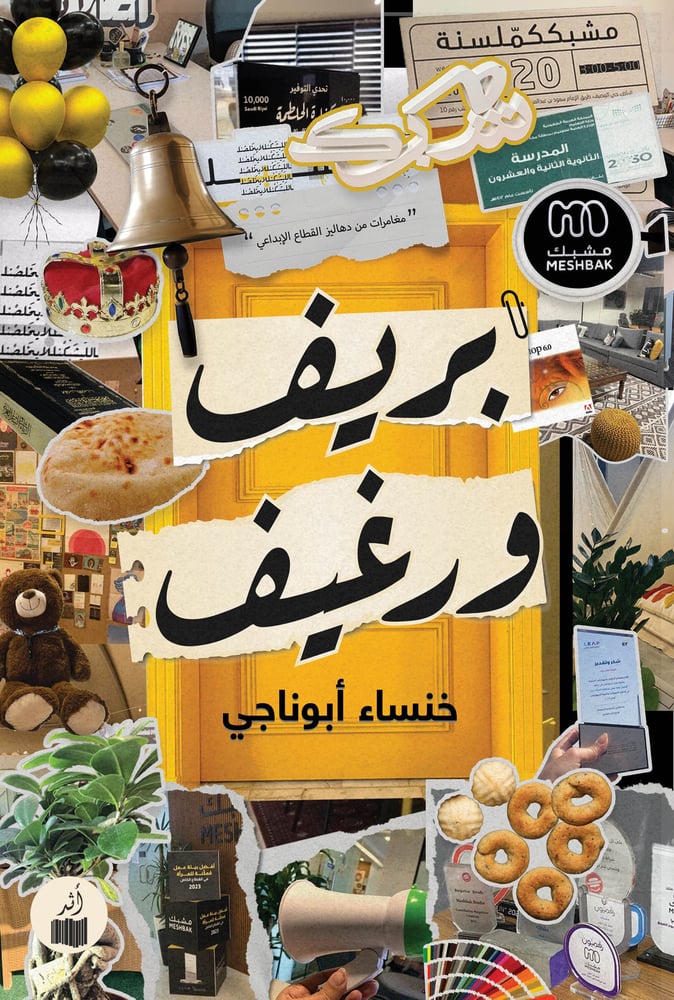
The book "Brief and Bread" by author Khansa Abu Naji is a human and professional biography written with an introspective and practical spirit at the same time; a text where daily work intersects with personal experience, transforming the details of life, office, and kitchen into a story about passion, diligence, and the search for meaning. The author opens her book with a simple and deep confession: she did not write it to narrate a glorious heroism or shining success, but to document the mistakes that shaped her awareness more than victories. Through chapters that combine intimacy and professionalism, she guides the reader from the school seats where the designer inside her was born, to university laboratories, then to the world of advertising and creativity, where each experience becomes a lesson in courage, leadership, and learning from vulnerability. The title itself, "Brief and Bread," summarizes the book's philosophy: a balance between "brief" that satisfies ambition and bread that nourishes the body — between the warmth of daily life and the rhythm of fast work. Through her small stories with her team at the "Mashbak" company, Musa writes about leadership with rare human sincerity, and about communication and teamwork as a value, not just a skill. In the background of the text, echoes her mother who taught her that mastery is not said but done, and that cooking is not food eaten but love offered. Khansa Musa's style combines the clarity of experience with the eloquence of simplicity. Her language is transparent and deep, narrating the professional scene as if it were a novel, and turning mistakes into chapters of wisdom. The book reminds the reader that the road to success is not straight, and that failure can be the most sincere of teachers. In the end, "Brief and Bread" is not only a professional biography, but an invitation to live consciously and passionately, and to give our work meals from the heart, not out of habit. Can success be measured only by awards? Or is it, as the author suggests, baked like bread: on a gentle fire of experience and persistence?

From Dammam