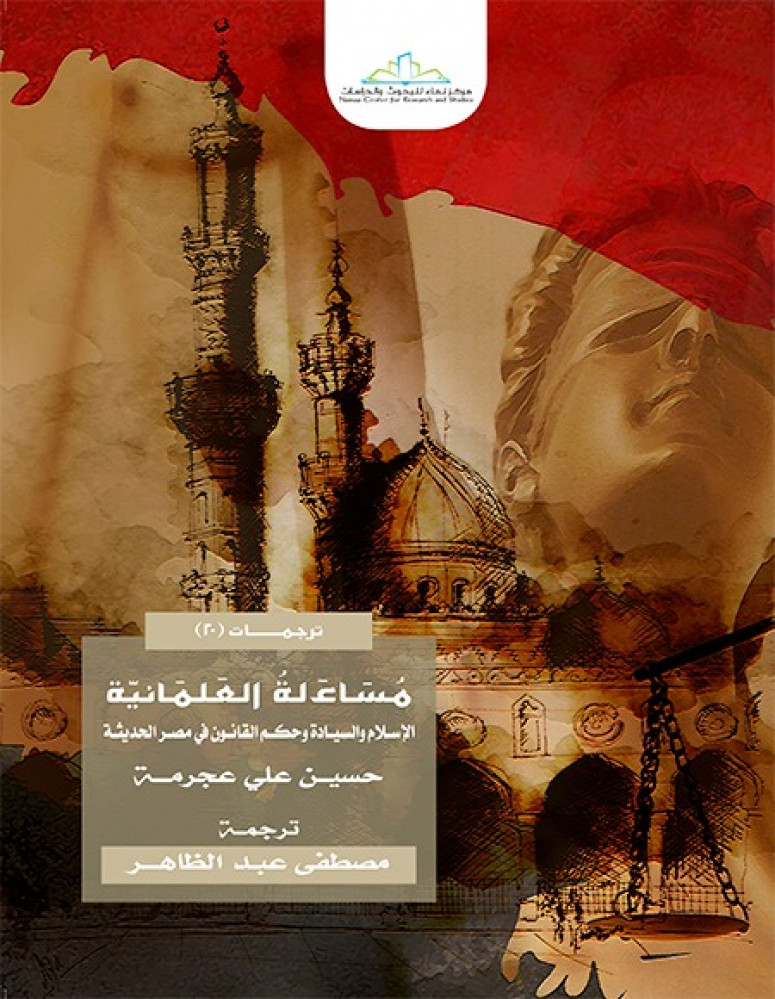
Accountability of secularism
49.16ر.س
Product description
The wave of Arab uprisings that followed in previous years raised urgent questions about the meaning of democracy and liberalism in Middle Eastern countries with a Muslim majority, and whether they should choose or whether they must be secular or religious states. This question was followed by a significant preoccupation in academic circles with defining the meaning of "secularism," and researching the concepts of "religion" and "Islam" and their political and social implications in particular, tracking concepts and conditions related to the horizon and constraints of modernity, the position and limits of the modern state, the nature of sovereignty, and the rule of law. This book, published in its Arabic version by the Namaa Center, explores, through ethnographic and anthropological research, the contexts of politics, society, law, religion, and daily life practices, to present a perceptive and insightful discussion of these concepts through an in-depth critique and careful exploration of the roots of the historical formation of the contemporary Egyptian political, social, and religious reality, its contexts, and its historical transformations.
