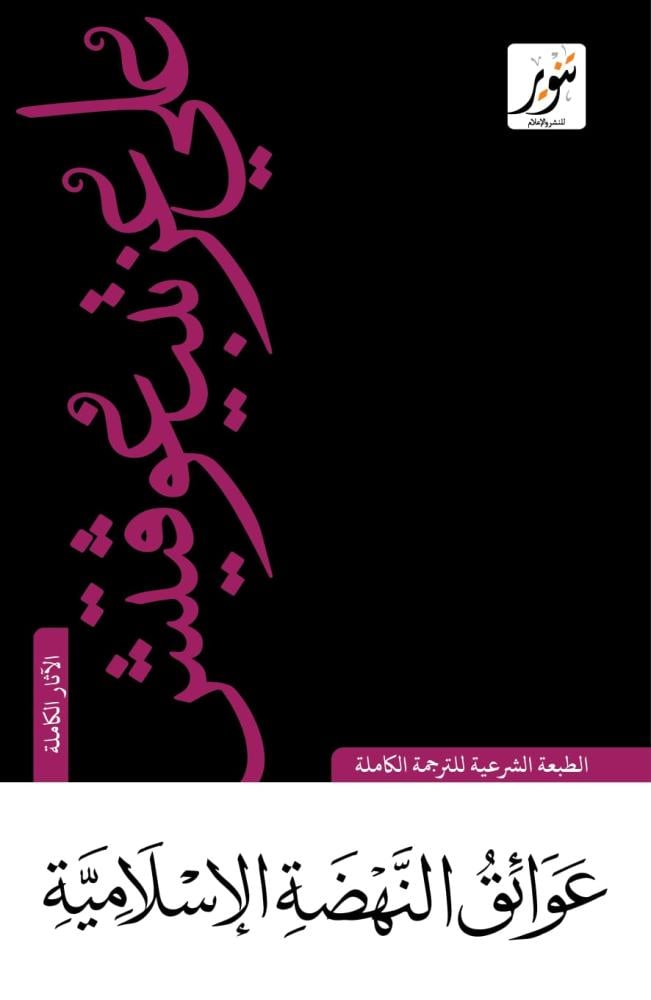
Obstacles to the Islamic renaissance
43.13ر.س
Product description
This is a collection of articles published by Ali Azzatbiğoğevich between 1967 and 1981, revealing an important part of his intellectual development before his second imprisonment (1983-1988). Therefore, this book is considered the true key to understanding his thought, and the first thing the reader should read from his books; it also contains many "drafts" of chapters from his main work: "Islam between East and West," and the seeds of the main issues he was preoccupied with. Accordingly, it is also the first treatment of these issues, which sometimes reflect a limited initial perspective; however, it reveals how his vision and approach, as well as his intellectual and moral principles, were formed. It is true that some of the later articles that make up the book were written at later stages, after the publication of his main book; yet, they reflect the same spirit of the initial perspective. It seems that the professor regarded writing articles as an initial experimental step to shape his thought and develop his framework. Ali Azzatbiğoğevich and his thought are a pivotal link in our history, an inspiring link worthy of study and reflection; especially since he is the only Muslim thinker who produced a modernist framework during the twentieth century—one that carried his ideas into the realm of power and sought to implement them in reality, continuously. In his school, we will learn honesty with God, honesty with oneself, and the virtue of steadfastness on values, and consistency with them. We will learn from mistakes and pitfalls, as well as from intellectual and movement victories. The greatest wisdom we can gain from studying any Muslim thinker, who has contributed with sincerity, is that if it were not for his mistakes, we would not have learned the right path, with God's help. Human perfection does not lie in the individual thinker and his unique framework alone, but in what he benefits his nation with—either by following his steps or avoiding his pitfalls—so that their journey is completed through the efforts and collective endeavors of its members.

Questions you might have