The relationship between religion and the state
103.50ر.س
Product description
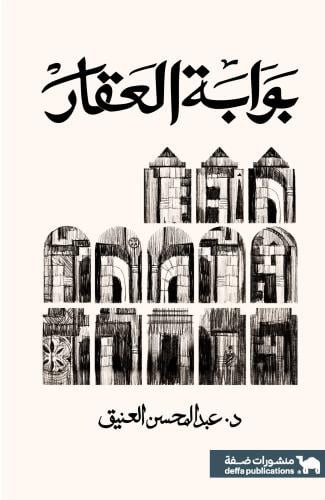
The topic of the relationship between religion and the state across all levels is one of the most important issues raised in the research arena today, especially in light of the changes that have occurred after the Arab Spring and up to the present day, and the problems and issues it has raised, each of which has had an impact on the future of these countries and what has become of their affairs. In this context, the Nahoud Center for Participation is interested in presenting theses that represent an attempt to find visions that contribute to bridging the gaps between conflicting and different perspectives, which helps in finding practical solutions that elevate the reality. This thesis — the doctoral thesis — is not an applied study on the impact of text and acknowledgment of religion for the state in the constitution, nor is it limited to addressing Sharia as a primary source of legislation. Rather, it is, in fact, an attempt to study the problematic application of the modern nationalist secular state model, by virtue of its origin and philosophy, in a society governed by an old state, then a transitional one, where religion played a significant role. It is also an attempt to look at the issue from a broader perspective — the role of religion in state institutions in general, including the legislative institution, and its reflections on a range of public rights and freedoms, within a framework of comparison with several systems that can serve as examples of different approaches to addressing the relationship between religion and the state. The aim is to understand the nuances of each state's relationship with the religion that created it, or lived under it, or coexisted with it — an understanding that does not merely repeat the idea of the people we are talking about as themselves, but seeks to uncover the true nature of that idea within its historical context.

Questions you might have