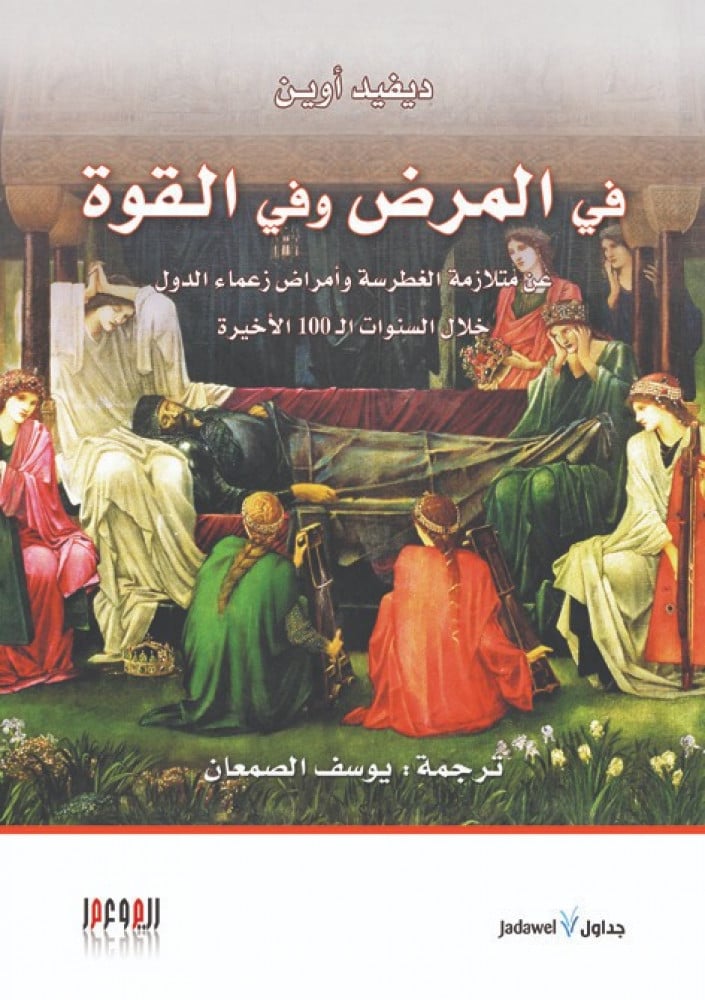
In illness and in strength
102.42ر.س
Out of Stock
Product description
There is relatively increased interest in writing about the relationship between disease and power, specifically mental illness. However, this book may be unique compared to many similar books, as its author has experienced both fields. He began as a neurologist and trained also in psychiatry, then became a political leader and a British Foreign Minister. The author recounts stories of physical and mental illnesses of American presidents, British government leaders, and other leaders who intersected with important events related to the subject of the book. He details the issues they faced in treating their sensitivities and expectations. The most surprising aspect of the book is its attempt to propose specific determinants for acquired personality disorder caused by exercising power. In other words, contrary to the classical definition of personality disorder determinants, as in the accepted classifications of mental illnesses that require personality disorder determinants to manifest at the age of eighteen, the author argues that power can generate disorder in those who wield it, even beyond that age. There are healthy individuals who have surpassed their early twenties, and once they gain full two-year periods of power with successes that thrill the leader, it is likely that traits and characteristics will appear: "Hubris Syndrome." The arrogant personality caused by intoxication with power is characterized by vanity, recklessness, overconfidence, rejection of anyone who does not venerate, a messianic feeling that anyone who does not approve of all his actions is either a fool or a devil, and even walking with arrogance. His way of speaking changes, and he becomes immersed in the reassurance that the opinions of those who disagree with him are fiery, and that the earthly court is not for him or his like, and only history will judge him fairly.
