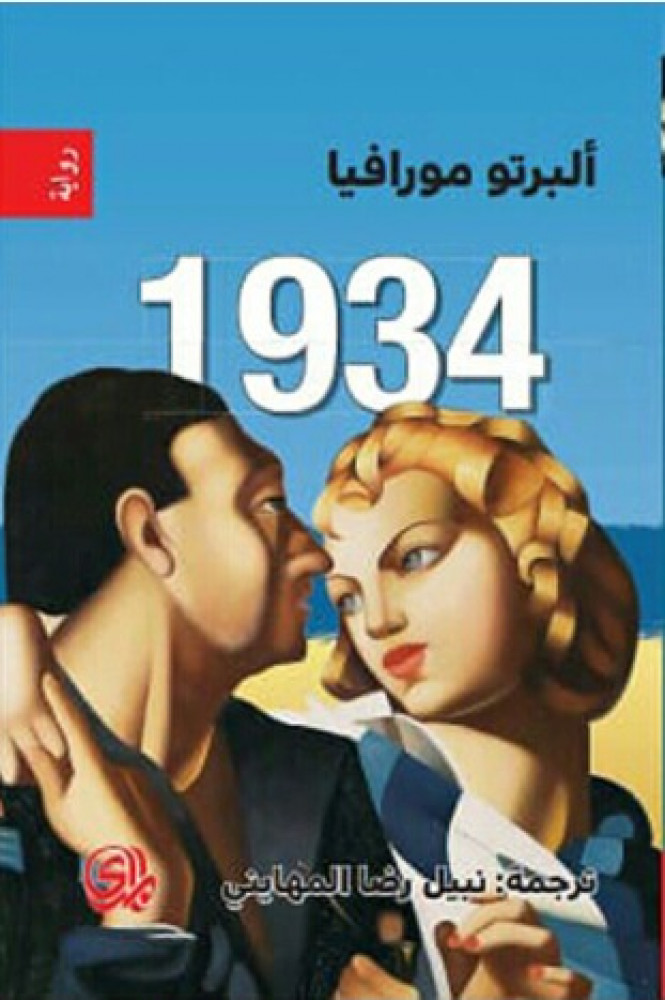
1934
54.63ر.س
Product description
"Can a person live in despair without wishing for death," thus, from the beginning, Moravia reveals in the novel 1934 the subject that tears apart the soul of his protagonist, Lušo. He does this in the form of a question repeated several times in the context of the novel, but also through what often results from the forced transformations imposed and driven by events. The centrality of this subject also appears in the rhythm in which it recurs, in various situations, and in important or supporting dialogues in terms of structure. As if everything happening in the novel is nothing but a hope that shines again and again to promise and affirm: Yes, it is possible for a person to live in despair and (make it something stable), that is, a fundamental condition of existence, and thus he rides it in the character of the novel that Lušo tries to write. Or to express the fear of negation (No, this is impossible). Or both in a mysterious way, that is, hope in the negation itself and fear of the same affirmation. In other words, the successive events that fall into the final whirlpool revolve around the (I), logical to the utmost extent and deductive, written and described in a (teaching) manner, (in Moravia's usual way), and it seems that his will lies in surrendering to what is happening around him, while at the same time he seems to insist on directing everything in light of the main subject, that is, the subject of despair and its relation to suicide.

Questions you might have