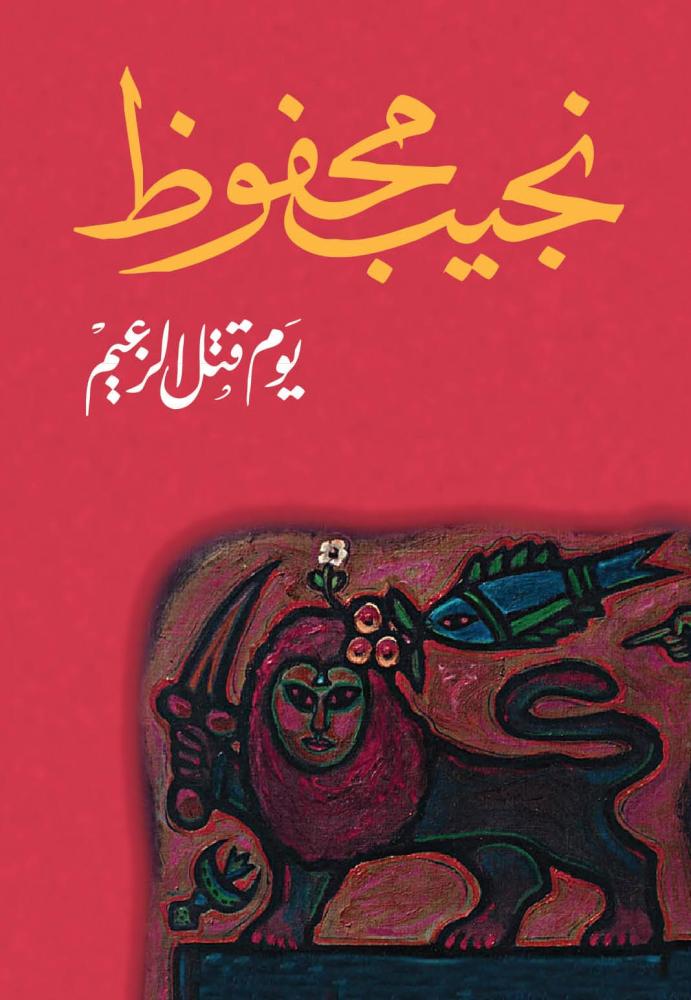
The day the leader was killed
19ر.س
Product description
It is amazing that love is immortalized amidst widespread corruption. This deteriorating chaos, did it fall behind an airstrike? Piles of garbage lie in the corners guarding the lovers. Good morning to those packed in buses, your faces peeking from behind the cracked glass like prisoners on visiting day. And the crowded bridge with passersby. The hurried walkers devour their ful sandwiches greedily and without taste.
Naguib Mahfouz often addressed the repercussions of economic openness on Egyptian society in his works, including the novel before us; he narrates this through the family of "Mohtashami Zaid," a man belonging to the generation of the 1919 Revolution, who spends his old age alone at home listening to the Quran, songs, and news, feeling the pain that emanates from deep within him over the state of his family. His family consists of his son "Fawaz" and his wife "Hanaa," who spend their lives between government work in the morning and private sector work in the afternoon, to cope with the necessities of life and the frenzy of rising prices. Their son "Alwan" barely sees his parents, having only his grandfather to find solace in, and both of them share a love story with his colleague at work, "Randa Suleiman," living the suffering of the generation of the seventies to which they belong. This suffering intensifies until "Alwan" is driven to kill his boss, "Anwar Allam," on October 6, 1981.

Questions you might have