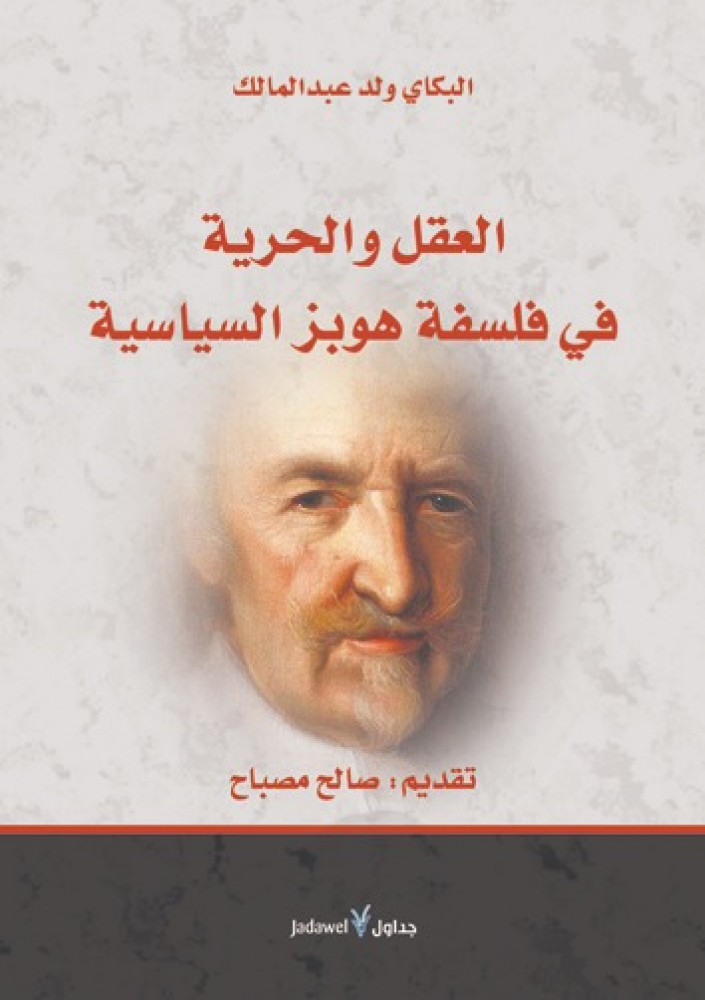
The mind and freedom in Hobbes's political philosophy
65.55ر.س
Product description
A perhaps problematic formulation justifies the tripartite derivation of the work: a discussion on man's position in contemplating his ontological situation, followed by contemplating the epistemic dimension and the political use of reason in relation to freedom, before the work is crowned by extracting the essential elements of Thomas Hobbes' theory of the state, considering it as an artificial whole created by the work of reason itself. The researcher clarified the modern conception of man that resulted from philosophical modernity and its major feature—the emphasis on worldly matters—by giving importance to passions (or appetites) and subsequently desire as a necessary element that liberates them from the dominance of virtues that make passions not self-sufficient, but reason is what determines their judgment; passions are merely "vices" if left to themselves, and they are the "passive side" of man if they obey "rules of guidance" rationally. Accordingly, the focus is on the activity of those passions, which leads to presenting the famous "effort" theory (= Conatus) that combines data from physics, physiology, and ethics.
